

Event signage for London businesses is evolving fast, with businesses now using technology to transform simple displays into interactive platforms. Here is something eye-opening: digital innovations like QR codes and NFC tags are so popular that over 65 percent of event organisers in 2025 expect to use dynamic signage for enhanced attendee engagement. Surprisingly, slapping up more screens is not what makes the biggest difference. The real edge comes from smart design and clever placement. Getting these details right can turn basic signs into powerful tools that shape brand perception and leave a lasting impression.
Table of Contents
Table of Contents
- Essential Event Signage For Modern Businesses
- Customising Signage For Different Event Types
- Placement Tips For Maximum Impact
- London Regulations And Best Practices
Quick Summary
| Takeaway | Explanation |
|---|---|
| Embrace Digital Innovation | Utilize digital signage to create dynamic, interactive experiences with technologies like QR codes and NFC tags to engage attendees effectively. |
| Prioritize Strategic Design Principles | Focus on clear, minimalist designs with bold fonts and high-contrast colours to enhance readability and ensure maximum visual impact in busy environments. |
| Consider Tailored Signage for Events | Adapt your signage to the specific characteristics of different event types, using customisation and modular designs to meet diverse communication needs. |
| Maximise Signage Placement Effectiveness | Position signage in high-traffic areas and at eye level to capture attention, and leverage digital technologies for dynamic placement options. |
| Ensure Compliance with Regulations | Familiarise yourself with London’s signage regulations to ensure all signage meets legal standards, including size, lighting, and accessibility requirements. |

Essential Event Signage for Modern Businesses
The landscape of event signage has dramatically transformed, becoming a critical communication tool for businesses seeking to create memorable and engaging experiences. Modern event signage goes far beyond traditional static displays, evolving into dynamic, interactive platforms that capture attention and communicate complex messages instantly.
Digital Innovation in Event Signage
Digital signage has revolutionised how businesses communicate during events. Learn more about our innovative signage solutions that are reshaping business communication in 2025. According to research from retail technology experts, modular and reconfigurable signage systems are becoming increasingly popular, allowing businesses unprecedented flexibility in their event presentations.
Key digital innovations include interactive features such as QR codes, NFC tags, and real-time data-driven messages. These technologies enable businesses to create immersive experiences that go beyond traditional communication methods. Digital signage trends show that attendees now expect more than just information – they want engagement and personalised interactions.
Design Principles for Maximum Impact
Modern event signage demands a strategic approach to design. Graphic design specialists emphasise the importance of clear, minimalist designs with large, bold fonts and high-contrast colours. These design principles ensure that signage remains readable and visually striking in busy event environments.
Businesses must consider multiple elements when designing event signage. Readability stands paramount – text should be legible from a distance, with fonts that are clear and colours that stand out. Typography choices can significantly impact how quickly and effectively information is communicated. Colour psychology plays a crucial role, with specific colour combinations able to evoke emotional responses and draw attention more effectively than traditional approaches.
The integration of brand identity into event signage has become more sophisticated. Rather than simply displaying a logo, modern signage tells a story, creates an atmosphere, and provides a cohesive brand experience. This means considering not just the visual elements, but also the narrative and emotional journey you want to create for event attendees.
Technology has expanded the possibilities of what event signage can achieve. Interactive displays that respond to user movements, augmented reality experiences, and real-time data integration are no longer futuristic concepts but practical tools for businesses looking to create memorable event experiences. The key is to balance technological innovation with clear, purposeful communication.
For London businesses, this means understanding that event signage is no longer just about providing information – it’s about creating an immersive, engaging experience that reflects the sophistication and innovation of your brand. Whether you’re hosting a corporate conference, trade show, or product launch, your signage is a critical touchpoint that can significantly impact how your audience perceives and remembers your event.
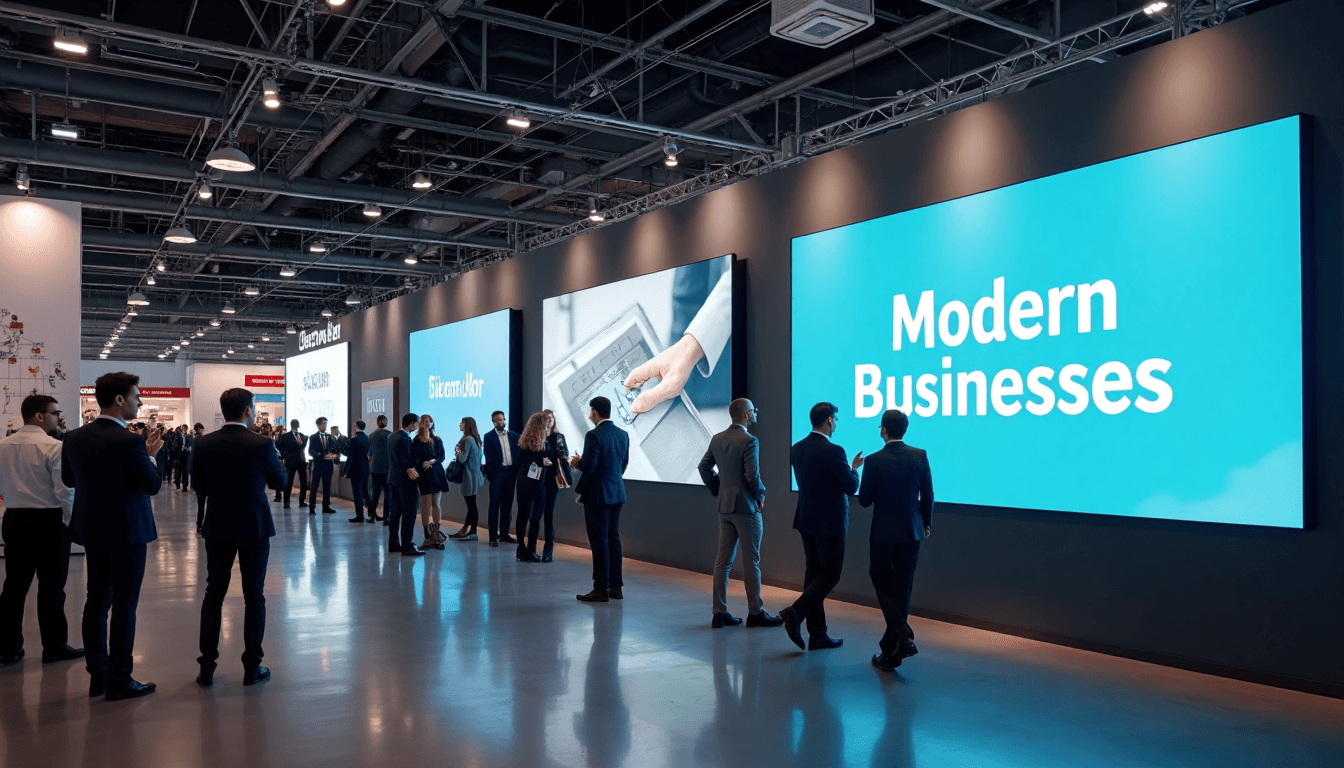
Customising Signage for Different Event Types
Effective event signage requires a nuanced approach that recognises the unique characteristics and communication needs of different event types. Explore our comprehensive event signage solutions tailored to diverse business environments. Businesses must strategically adapt their signage to match the specific context, audience, and objectives of each event.
Strategies for Tailored Event Signage Design
According to digital signage experts, customisation is key to creating impactful event communication. Different event types demand distinct signage approaches. Corporate conferences require professional, information-dense displays that convey complex messages efficiently. Trade shows need vibrant, attention-grabbing signage that can stand out in crowded exhibition halls. Product launches demand sleek, brand-aligned designs that showcase innovation and create excitement.
Research from retail technology specialists highlights the growing importance of modular signage systems. These innovative solutions allow businesses to rapidly reconfigure displays, adapting to different event spaces and requirements. Modular designs provide unprecedented flexibility, enabling companies to transform their visual communication strategy with minimal effort.
Technical Considerations for Event-Specific Signage
Technical adaptability plays a crucial role in modern event signage. Design trend analysts emphasise the importance of creative design elements such as asymmetrical shapes, portable layouts, and retractable banners. These design approaches allow businesses to create unique visual experiences that resonate with specific event audiences.
Digital technologies have revolutionised event signage customisation. Interactive displays with real-time content updates, touchscreen interfaces, and integrated QR codes enable businesses to create personalised, dynamic communication experiences. For instance, a technology conference might use interactive displays that showcase live product demonstrations, while a networking event could implement smart signage that facilitates attendee connections.
Material selection is another critical aspect of event-specific signage. Lightweight, portable materials work best for mobile events, while more substantial, durable options might be preferable for long-standing exhibitions. Businesses must consider factors like transportation, setup time, durability, and visual impact when selecting signage materials.
colour schemes and branding consistency remain paramount. Each event type requires a nuanced approach to colour psychology and brand representation. A startup pitch event might utilise bold, energetic colours to convey innovation, whereas a professional industry conference would likely employ more subdued, authoritative colour palettes.
The future of event signage lies in its ability to adapt, communicate, and engage. By understanding the unique requirements of different event types and leveraging innovative design and technological solutions, businesses can create signage that not only informs but also inspires and connects with their target audience. The key is to view signage not as a static communication tool, but as a dynamic, interactive platform that reflects the sophistication and creativity of your brand.
Placement Tips for Maximum Impact
Signage placement is a critical strategic element that can dramatically influence the effectiveness of event communication. Discover our expert placement strategies to ensure your signage captures maximum attention and delivers your message with precision.
Strategic Location Selection
According to event branding experts, successful signage placement requires a comprehensive understanding of venue traffic patterns and attendee movement. High-traffic areas represent prime real estate for event signage. Entry points, registration desks, restroom corridors, and central gathering spaces offer optimal visibility and engagement opportunities.
The vertical positioning of signage plays a crucial role in visual communication. Wayfinding specialists recommend positioning signs at eye level or slightly above, ensuring maximum readability and minimising visual obstruction. This strategic approach helps attendees quickly absorb information without straining or interrupting their natural movement through the event space.
Technology-Enhanced Placement Strategies
Digital technology has transformed traditional signage placement strategies. Interactive signage researchers highlight the potential of dynamic digital displays that can provide real-time updates, interactive maps, and personalised navigation assistance. These advanced systems allow businesses to create fluid, responsive wayfinding experiences that adapt to changing event dynamics.
QR codes and augmented reality technologies offer innovative placement opportunities. By integrating these technologies into strategic locations, businesses can create multi-layered communication experiences. For instance, a QR code placed near a product display can instantly provide detailed information, while an AR-enabled sign can offer immersive brand experiences that extend beyond traditional static displays.
Consider the psychological impact of placement. Signage positioned at natural pause points – such as near seating areas, coffee stations, or networking zones – captures attendees when they are most receptive to information. The context of placement is as important as the content itself.
Lighting plays a critical role in signage effectiveness. Signs should be positioned to maximise natural and artificial lighting, ensuring clear visibility without creating glare or shadow. This might mean avoiding direct sunlight for digital displays or using strategically placed ambient lighting to highlight key informational signs.
Different event types demand nuanced placement approaches. A corporate conference might require more structured, information-dense signage placement, while a creative industry event could benefit from more dynamic, unconventional positioning that encourages exploration and interaction.
Technology integration allows for unprecedented placement flexibility. Wireless and battery-powered digital signs can be rapidly repositioned, allowing businesses to adapt their communication strategy in real-time. This agility is particularly valuable in dynamic event environments where attendee flow and interests can shift rapidly.
Ultimately, effective signage placement is an art form that blends technical understanding, psychological insight, and creative vision. By treating signage not as a static communication tool but as a dynamic, interactive platform, businesses can transform their event communication strategy. The goal is to create an intuitive, engaging experience that guides, informs, and inspires attendees from the moment they enter the event space.
London Regulations and Best Practices
Navigating the complex landscape of signage regulations in London requires meticulous attention to detail and a comprehensive understanding of local planning requirements. Learn about our compliance expertise to ensure your event signage meets all necessary legal standards.
Regulatory Framework for Event Signage
According to local planning regulations, the display of outdoor signs and advertisements in London is strictly governed by the Town and Country Planning (Control of Advertisements) Regulations 2007. City of London planning authorities implement rigorous requirements for signage consent, with specific distinctions between illuminated and non-illuminated signs.
Fully illuminated signs invariably require express consent, while non-illuminated signs may qualify for deemed consent under specific conditions. Businesses must submit meticulously prepared documentation, including accurately dimensioned drawings, metric scale representations, and clear orientation details. These technical specifications are crucial for obtaining regulatory approval and avoiding potential legal complications.
Technical Compliance and Documentation
Highways England guidelines provide comprehensive standards for signage, particularly for tourist and leisure facilities. The documentation process demands precision, with specific requirements for scale, dimensioning, and content representation. Event organisers must ensure that their signage not only meets aesthetic and communicative objectives but also adheres to strict regulatory frameworks.
Key considerations include size limitations, placement restrictions, and content guidelines. For instance, signs near historical districts or conservation areas may face additional scrutiny. Some zones have specific colour, material, and illumination restrictions that can significantly impact signage design and placement.
Businesses must also consider accessibility regulations. This means ensuring that signage is legible, appropriately sized, and positioned to accommodate individuals with visual impairments or mobility challenges. The regulations extend beyond mere visual compliance, demanding a holistic approach to inclusive communication.
Technology adds another layer of complexity to signage regulations. Digital displays, interactive signs, and augmented reality installations require additional permissions and must comply with specific technical standards. The rapid evolution of signage technology means businesses must stay continuously updated on regulatory changes.
Environmental considerations are increasingly prominent in London’s signage regulations. Energy efficiency, light pollution, and sustainable materials are now critical factors in obtaining signage approvals. Businesses are encouraged to demonstrate environmental responsibility through their signage choices.
The consequences of non-compliance can be significant. Potential penalties include fines, mandatory removal of signage, and potential legal action. Moreover, improper signage can damage a business’s reputation and diminish the professional image they seek to project.
Successful navigation of London’s signage regulations requires a strategic approach. It demands a combination of technical knowledge, creative design, and meticulous attention to regulatory details. By understanding and proactively addressing these requirements, businesses can create signage that is not only visually compelling but also fully compliant with local standards.
Frequently Asked Questions
What is digital signage and how can it enhance my event?
Digital signage uses electronic displays to convey information dynamically. It enhances events by creating interactive experiences through technologies like QR codes and NFC tags, making attendee engagement more effective.
How can I ensure my event signage complies with London regulations?
To ensure compliance, familiarise yourself with the Town and Country Planning regulations and City of London requirements. Submit accurate technical documentation and be aware of guidelines regarding size, illumination, and accessibility.
What design principles should I follow for effective event signage?
Focus on clear and minimalist designs with bold fonts and high-contrast colours for maximum readability. Incorporate your brand identity and consider the emotional impact of colour choices to create a cohesive and engaging experience.
Where should I place my event signage for optimal visibility?
Position signage in high-traffic areas, at eye level or slightly above, to ensure maximum visibility. Use natural pauses as opportunities—like near seating areas or refreshment stations—to capture attendees’ attention.
Ready to Transform Your Event Signage for 2025?
London businesses are facing a critical challenge: standing out in a crowded marketplace while meeting evolving digital expectations and strict local regulations. This article highlights how smart design, interactive technologies, and precise placement are no longer nice-to-haves—they are essential for leaving a lasting impression and ensuring compliance. The reality is, generic signs just do not cut it anymore. Your audience expects innovation and your brand demands a fresh approach.
Let us help you bridge that gap. At PromoSigns, we specialise in custom signage solutions that incorporate the very latest in digital innovation and brand storytelling. Whether your goal is interactive displays, seamless large format printing, or professional installation across London, Essex, and Kent, our team delivers results designed around your specific event needs. Discover how easy it is to upgrade your event presence—get your bespoke signage consultation today by visiting our website and step confidently into the future of business communication.
Recommended Articles
- Event Signage Importance in 2025: Boosting Business in London – PromoSigns.co.uk
- Signage for Office Interiors: 2025 Guide for London Businesses – PromoSigns.co.uk
- Types of Shop Signs for London Businesses: The 2025 Guide – PromoSigns.co.uk
- Retail Sign Design Tips 2025: Essential Guide for London Businesses – PromoSigns.co.uk
- Custom Sign Design Process for London Businesses: 2025 Guide – PromoSigns.co.uk
- What Is Illuminated Signage? 2025 Guide for London Businesses – PromoSigns.co.uk
