
Table of Contents
Brand visibility determines business success in competitive markets. While digital marketing captures attention online, physical signage remains the most powerful tool for establishing local presence, attracting foot traffic, and creating memorable brand experiences in the real world.
This comprehensive guide reveals proven strategies for leveraging signage to elevate brand visibility, strengthen recognition, and create lasting impressions that convert passersby into customers.
Understanding Brand Signage Fundamentals
What Makes Signage Effective for Branding?
Effective brand signage serves multiple strategic functions simultaneously:
Primary Brand Functions:
- Immediate visual identification
- Consistent brand message delivery
- Professional credibility establishment
- Competitive differentiation
- Emotional connection creation
- Memory anchor provision
Customer Journey Integration: Quality signage supports every stage:
- Awareness: Distance visibility attracts attention
- Consideration: Professional presentation builds trust
- Decision: Clear messaging reduces friction
- Experience: Wayfinding enhances satisfaction
- Loyalty: Consistency reinforces preference
The Psychology of Brand Recognition
Visual Memory Formation: Human brains process visual information 60,000 times faster than text. Strategic signage leverages this through:
- Color associations (brands recognized by color alone in 80% of cases)
- Shape recognition (distinctive silhouettes create instant identification)
- Typography personality (fonts communicate brand character)
- Imagery impact (relevant visuals strengthen memory)
- Consistent repetition (5-7 exposures create recall)
Developing Your Brand Signage Strategy
Brand Identity Foundation
Before creating signage, establish clear brand parameters:
Core Brand Elements:
- Logo design and variations
- Color palette (primary and secondary)
- Typography system (headlines and body text)
- Imagery style and guidelines
- Voice and messaging tone
- Brand personality traits
Brand Positioning Clarity: Signage should immediately communicate:
- Target market alignment
- Value proposition uniqueness
- Quality positioning (premium, value, specialist)
- Brand personality (innovative, traditional, friendly)
- Category differentiation
Strategic Signage Planning
Comprehensive Audit: Assess current and needed signage:
- External signage (storefront, fascia, projecting)
- Directional and wayfinding
- Window graphics and displays
- Vehicle branding
- Internal signage (reception, departments, amenities)
- Promotional and seasonal displays
Customer Touchpoint Mapping: Identify every physical interaction point:
- Approach and arrival
- Entry and reception
- Navigation and exploration
- Service/purchase interaction
- Departure and exit
- Return visit triggers
Here is a summary of key retail product categories and their business impact:
| Category | Turnover Potential | Customer Appeal | Strategic Benefit |
|---|---|---|---|
| Seasonal Clothing | High in peak periods | Strong for trends | Drives time-sensitive sales |
| Electronics | Medium to high | Widely sought after | Enhances perceived value |
| Wellness Products | Steady growth | Appeals to well-being | Builds customer loyalty |
| Household Solutions | Consistently high | Broad usefulness | Encourages repeat visits |
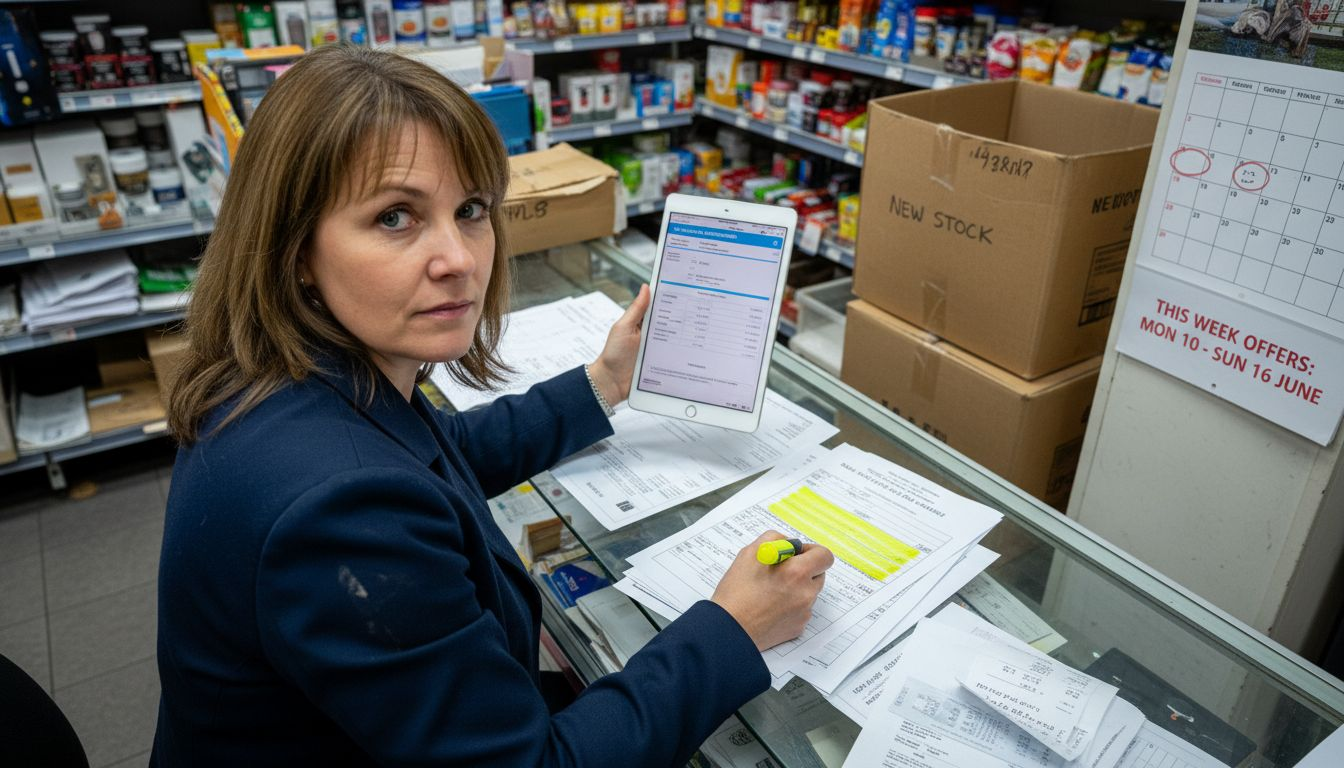
Top tip: Create a dynamic promotion strategy by rotating offers weekly and tracking customer response to maintain engagement and maximise sales potential.
Exterior Signage for Maximum Brand Impact
Storefront and Fascia Signs
Your primary brand statement creates crucial first impressions:
Design Priorities:
- Logo prominence and visibility
- Brand color integration
- Professional material selection
- Appropriate scale and proportion
- Illumination for 24/7 presence
Material Considerations:
- Built-up letters (3D dimensional impact)
- Illuminated signs (LED internal or halo-lit)
- Powder-coated aluminum (durability and finish)
- Acrylic panels (modern, professional appearance)
- Traditional painted timber (heritage businesses)
Size and Visibility: Apply the 100:1 viewing distance rule:
- 100mm letter height = visible from 10 meters
- 500mm letter height = visible from 50 meters
- 1000mm letter height = visible from 100 meters
Projecting and Blade Signs
Perpendicular signs capture passing foot traffic:
Strategic Advantages:
- Visible from both directions
- Stand out in busy high streets
- Traditional character addition
- Professional craftsmanship showcase
- Heritage and quality communication
Design Effectiveness:
- Simple, bold graphics
- Minimal text (business name and category)
- Strong silhouette recognition
- Appropriate to building scale
- Compliant with local regulations
Window Graphics and Displays
Windows offer prime brand communication opportunities:
Application Types:
- Full window wraps (maximum impact)
- Vinyl lettering (clean, professional)
- Frosted manifestations (privacy plus branding)
- Promotional window stickers
- Seasonal campaign graphics
Best Practices:
- Maintain sight lines into premises
- Balance coverage (40-60% maximum)
- Professional installation quality
- Regular updates for freshness
- Compliance with planning regulations
Interior Signage for Brand Experience
Reception and Entrance Areas
First physical interaction points establish brand tone:
Essential Elements:
- Logo wall or feature
- Welcome messaging
- Brand values communication
- Professional credentials
- Service overview
Material Quality: Premium materials reinforce brand positioning:
- Brushed metal lettering
- Acrylic with standoffs
- Laser-cut precision
- Professional lighting
- Quality mounting
Wayfinding and Directional Signage
Strategic navigation enhances customer experience:
Comprehensive System:
- Department identification
- Room/area numbering
- Directional arrows
- Floor plans
- Service location indicators
Brand Integration:
- Consistent color palette
- Typography alignment
- Icon style matching
- Material cohesion
- Professional installation
Motivational and Cultural Messaging
Internal signage can reinforce brand values:
Staff Areas:
- Mission and vision statements
- Core values display
- Achievement recognition
- Team culture reinforcement
- Operational excellence reminders
Customer-Facing Spaces:
- Brand story communication
- Heritage and credentials
- Quality commitment
- Community involvement
- Sustainability initiatives
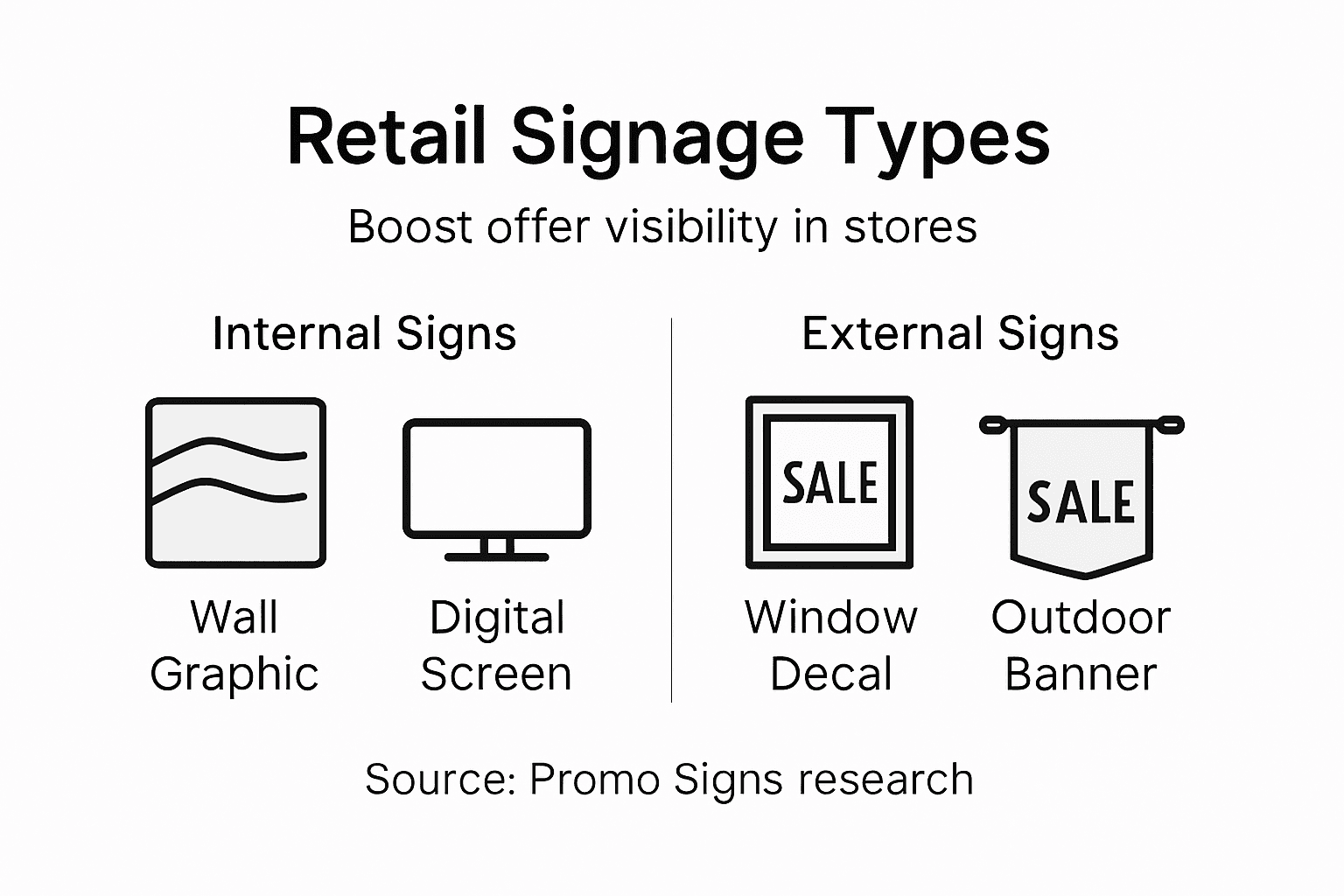
The table below compares common retail signage types and their effectiveness:
| Signage Type | Best Use Cases | Update Speed | Visual Impact |
|---|---|---|---|
| Digital Displays | Real-time promotions, events | Instantaneous | Highly engaging |
| Wall Graphics | Branding, product highlights | Slow (manual) | Visually bold |
| Window Graphics | Grab passers-by attention | Moderate | High external appeal |
| Promotional Banners | Sale events, new launches | Moderate | Eye-catching |
| Product Markers | Item details, price tags | Fast | Simple, direct |
Top tip: Prioritise clarity and consistency across all signage types to create a cohesive and professional visual brand experience.
Color Psychology in Brand Signage
Strategic Color Selection
Colors trigger specific psychological responses:
Primary Color Associations:
- Red: Energy, urgency, passion, appetite
- Blue: Trust, professionalism, stability, calm
- Yellow: Optimism, attention, affordability, warmth
- Green: Growth, health, sustainability, freshness
- Orange: Enthusiasm, creativity, value, friendliness
- Purple: Luxury, creativity, sophistication, quality
- Black: Premium, elegance, authority, sophistication
- White: Purity, simplicity, cleanliness, space
Color Contrast and Visibility
Readability Requirements: High contrast ensures legibility:
- Black on white (highest contrast)
- Dark blue on white
- White on dark colors
- Avoid low-contrast combinations
- Consider colorblind accessibility (8% of males)
Day and Night Consideration:
- Test color effectiveness in varied lighting
- Illumination impact on color perception
- Reflection and glare management
- Seasonal light variation
- Weather condition visibility
Typography and Messaging
Font Selection Strategy
Typography communicates brand personality instantly:
Font Category Characteristics:
- Serif fonts: Traditional, established, trustworthy, formal
- Sans-serif fonts: Modern, clean, approachable, clear
- Script fonts: Elegant, personal, creative, premium
- Display fonts: Unique, bold, attention-grabbing, distinctive
Readability Priorities:
- Minimum x-height for distance viewing
- Appropriate stroke weight
- Generous letter spacing
- Avoid decorative fonts for primary text
- Limit font families (2-3 maximum)
Messaging Effectiveness
Concise Communication: Signage messaging should follow the 3-7 rule:
- 3 words: Ideal for maximum impact
- 7 words: Maximum for effective absorption
- Longer messages: Reserved for detailed information displays
Message Hierarchy:
- Primary: Brand name and category
- Secondary: Key differentiator or value proposition
- Tertiary: Supporting details (hours, contact, services)
Illumination for 24/7 Brand Presence
Lighting Options and Effects
Internal Illumination:
- LED cabinet signs (even, consistent lighting)
- Halo-lit channel letters (premium, dimensional)
- Lightbox displays (maximum visibility)
- Backlit graphics (modern, impactful)
External Illumination:
- Spotlighting (architectural, dramatic)
- Uplighting (monument and dimensional signs)
- Downlighting (focused, controlled)
- Flood lighting (building and facade illumination)
Energy Efficiency and Sustainability
LED Technology Benefits:
- 80% energy reduction vs. traditional lighting
- 50,000+ hour lifespan
- Minimal heat generation
- Superior color rendering
- Programmable control capability
- Environmental credentials
Material Selection for Brand Positioning
Premium Brand Materials
High-End Options:
- Brushed stainless steel
- Brass and bronze
- Natural stone
- Solid timber (hardwoods)
- High-grade acrylics
- Architectural glass
Quality Communication: Premium materials signal:
- Investment in quality
- Attention to detail
- Established stability
- Professional standards
- Customer care commitment
Contemporary and Versatile Materials
Modern Applications:
- Powder-coated aluminum
- Dibond composite panels
- Foamex PVC sheets
- Perspex acrylic
- Vinyl graphics
- Digital print media
Advantages:
- Cost-effectiveness
- Design flexibility
- Durability
- Weather resistance
- Update capability
Digital Integration and Modern Approaches
Digital Signage Opportunities
Dynamic Content Capabilities:
- LED displays (programmable messaging)
- Video walls (engaging visual content)
- Interactive touchscreens (customer engagement)
- QR code integration (digital connection)
- Social media feeds (real-time content)
Strategic Applications:
- Promotional messaging rotation
- Real-time information updates
- Event and offer communication
- Customer testimonial displays
- Product showcase videos
Technology-Enhanced Traditional Signage
Augmented Reality Integration:
- Scannable graphics trigger digital experiences
- Virtual product demonstrations
- Interactive brand storytelling
- Social media content generation
- Memorable engagement creation
Seasonal and Promotional Signage
Campaign Integration
Temporary Signage Solutions:
- A-boards and pavement signs
- Window stickers and banners
- Posters and promotional displays
- Hanging signs and mobiles
- Point-of-sale materials
Brand Consistency Maintenance: Even temporary signage should:
- Align with core brand colors
- Use approved typography
- Maintain quality standards
- Complement permanent signage
- Reinforce brand personality
Multi-Location Brand Consistency
Franchise and Chain Considerations
Standardization Benefits:
- Instant brand recognition
- Quality expectation consistency
- Simplified procurement
- Cost efficiencies
- Professional credibility
Implementation Strategies:
- Comprehensive brand guidelines
- Approved supplier networks
- Regular compliance audits
- Centralized design control
- Quality assurance processes
Local Adaptation While Maintaining Identity
Balancing Act:
- Core brand elements remain consistent
- Local market adaptation where appropriate
- Cultural sensitivity integration
- Regulatory compliance accommodation
- Community connection allowances
Measuring Signage Effectiveness
Key Performance Indicators
Quantitative Metrics:
- Foot traffic volume changes
- New customer inquiries
- Brand awareness surveys
- Sales conversion rates
- Customer dwell time
- Return visit frequency
Qualitative Assessment:
- Customer feedback collection
- Staff observation insights
- Competitive comparison
- Professional design critique
- Brand perception studies
Continuous Improvement
Regular Review Process:
- Annual signage audits
- Damage and wear assessment
- Relevance and currency evaluation
- Competitive landscape changes
- Customer feedback integration
- Emerging technology consideration
Regulatory Compliance and Planning
UK Planning Requirements
Advertisement Consent: Most commercial signage requires approval:
- Local authority application
- Design specification submission
- Neighbor consultation (in some cases)
- Heritage area considerations
- Conservation restrictions
Building Regulations: Structural and safety compliance:
- Secure fixing verification
- Wind load calculations
- Electrical safety standards
- Fire safety compliance
- Accessibility requirements
Common Branding Mistakes to Avoid
Design Errors
Overcomplicated Approaches:
- Too much information
- Excessive design elements
- Unclear messaging hierarchy
- Inconsistent branding
- Poor color choices
Underdeveloped Execution:
- Low-quality materials
- Amateur installation
- Inadequate illumination
- Poor maintenance
- Inconsistent application
Strategic Oversights
Missed Opportunities:
- Neglecting wayfinding signage
- Ignoring digital integration
- Failing to update seasonal content
- Overlooking internal branding
- Insufficient investment in quality
Working with Professional Signage Providers
Selection Criteria
Essential Capabilities:
- Brand understanding and consultation
- Professional design services
- Quality manufacturing facilities
- Expert installation teams
- Comprehensive project management
- Ongoing maintenance support
Portfolio Assessment:
- Similar industry experience
- Brand-focused projects
- Quality and creativity demonstration
- Problem-solving examples
- Long-term relationship evidence
Collaborative Process
Effective Partnership:
- Clear brief communication
- Collaborative design development
- Regular progress updates
- Quality verification
- Timely completion
- Post-installation support
Budget Planning and ROI
Investment Considerations
Signage Cost Factors:
- Design complexity
- Material quality
- Size and scale
- Illumination requirements
- Installation difficulty
- Regulatory approvals
Value Assessment:
- Long-term durability
- Maintenance requirements
- Energy efficiency
- Update capability
- Multi-year lifespan
- Marketing cost comparison
Return on Investment
Measurable Returns:
- Increased foot traffic (typical 15-30%)
- Enhanced brand recognition
- Improved customer confidence
- Competitive advantage
- Property value increase
- Reduced marketing costs
Future Trends in Brand Signage
Emerging Technologies
Innovation Horizon:
- Smart, connected signage
- Artificial intelligence integration
- Personalized content delivery
- Sustainable material advancement
- Holographic displays
- Transparent LED screens
Design Evolution
Contemporary Approaches:
- Minimalist aesthetics
- Sustainable material priority
- Biophilic design integration
- Modular and adaptable systems
- Multi-sensory experiences
- Community-focused messaging
Conclusion
Effective signage represents one of the most powerful tools for brand building, offering continuous visibility, professional credibility, and customer attraction. Strategic investment in quality design, materials, and installation creates lasting assets that work tirelessly to strengthen brand presence and drive business growth.
Success requires understanding your brand essence, knowing your audience, selecting appropriate signage types, maintaining design consistency, choosing quality materials, and partnering with experienced professionals who can translate brand vision into compelling physical reality.
From initial strategy through ongoing maintenance, every signage decision impacts brand perception and business performance. Approached thoughtfully and executed professionally, brand signage delivers exceptional return on investment through enhanced visibility, strengthened recognition, and sustainable competitive advantage.
For businesses seeking to maximize their brand impact through strategic signage solutions, partnering with experienced signage specialists ensures access to design expertise, technical knowledge, and professional execution that transforms brand vision into powerful physical presence.
Recommended
- 9 Key Types of Retail Signage That Can Transform Your Store
- The Modern Age Visual Displays For Branding – PromoSigns.co.uk
- What Makes A Great Shop Sign – PromoSigns.co.uk
- Retail POP Display Signage Solutions for London Businesses in 2025 – PromoSigns.co.uk
- Nectar Blog | Flash Sales: Strategies for Creating Successful Limited-Time Offers
