
Business signs are everywhere and yet most owners are unaware that urban centres have far stricter signage rules than suburbs or rural towns. Plenty of people think signage is just about popping your logo on a board. The real power of successful signage comes from careful planning and a step-by-step process that many overlook.
Table of Contents
- Step 1: Identify Your Signage Needs And Goals
- Step 2: Research Local Regulations And Permits
- Step 3: Develop A Comprehensive Design Brief
- Step 4: Choose The Right Materials And Sign Types
- Step 5: Select A Qualified Signage Provider
- Step 6: Implement And Review Your Signage Installation
Table of Contents
Quick Summary
| Key Point | Explanation |
|---|---|
| 1. Clearly Define Signage Objectives | Establish specific goals for your signage project to align design choices with your business communication needs. |
| 2. Research Local Regulations Thoroughly | Understand and comply with municipal signage regulations to avoid legal complications during installation. |
| 3. Develop a Detailed Design Brief | Create a comprehensive design brief outlining objectives, materials, budget, and brand guidelines for clarity across stakeholders. |
| 4. Select Appropriate Materials | Choose durable and environmentally suitable materials to ensure the longevity and effective communication of your signage. |
| 5. Choose a Qualified Signage Provider | Evaluate potential providers based on their industry experience and ability to deliver comprehensive services tailored to your needs. |
Step 1: Identify Your Signage Needs and Goals
Successful signage projects begin with crystal clear objectives. Before sketching designs or selecting materials, business owners must conduct a strategic evaluation of their specific signage requirements. This initial planning stage determines the foundation of your entire signage strategy, ensuring that every subsequent decision aligns with your core business communication goals.
Carefully assess the primary purpose of your signage. Are you aiming to increase brand visibility, provide directional information, attract new customers, or communicate essential business details? Each objective requires a different design approach. For retail businesses, signage might focus on drawing foot traffic and creating an inviting storefront presence. Professional service providers might prioritize conveying credibility and expertise through more subtle, sophisticated sign designs.
Consider the practical context of your signage installation. Evaluate your physical location’s architectural characteristics, surrounding environment, and potential visibility challenges. Urban settings with high foot traffic demand different signage strategies compared to suburban or industrial locations. Architectural elements like building facade, window spaces, and existing colour schemes will significantly influence your sign’s design and placement.
Your signage needs assessment should also factor in local regulations and compliance requirements. Many municipalities have specific guidelines regarding sign dimensions, illumination, placement, and material usage. Research local zoning laws and obtain necessary permits before finalizing your design. Learn more about selecting the perfect outdoor signage to understand the nuanced considerations that can make or break your project.
Budget constraints and long-term maintenance should be integral to your planning process. High-quality signage represents an investment in your business’s visual identity. While initial costs matter, consider durability, potential repair expenses, and the sign’s expected lifespan. A slightly more expensive, robust sign might prove more economical over time compared to cheaper alternatives requiring frequent replacement.
By meticulously identifying your signage needs and goals, you create a robust blueprint that guides every subsequent decision in your project.

| Step | Main Focus | Key Outcome |
|---|---|---|
| Identify Signage Needs and Goals | Clarifying objectives and practical requirements | Blueprint for design and compliance decisions |
| Research Local Regulations and Permits | Understanding and obtaining necessary permissions | Avoidance of legal issues and installation delays |
| Develop a Comprehensive Design Brief | Documenting objectives, requirements, and branding | Unified direction for designers and stakeholders |
| Choose the Right Materials and Sign Types | Matching aesthetics with durability and usage needs | Materials and signage type that reinforce brand identity |
| Select a Qualified Signage Provider | Evaluating credentials, portfolios, and services | Reliable delivery and long-term partnership |
| Implement and Review Installation | Ensuring precise installation and quality control | Signage that meets goals and maintains brand standards |
This strategic approach transforms signage from a mere functional requirement into a powerful communication tool that reflects your brand’s unique personality and professional ethos. For businesses at the very start of their journey, a consultation with experienced signage companies London at this early stage can save significant time and cost by identifying the right sign type, placement, and planning requirements before any design work begins.
Step 2: Research Local Regulations and Permits
Navigating the complex landscape of local signage regulations requires meticulous research and strategic planning. Each municipality has unique requirements that can significantly impact your signage project, making thorough investigation an absolutely critical step before any design or installation begins.
Begin by contacting your local council planning department directly. Many business owners underestimate the complexity of signage regulations, which can vary dramatically between different administrative zones. Some areas have strict guidelines about sign size, placement, illumination, and material composition. Urban centres typically have more stringent regulations compared to suburban or rural locations. Request a comprehensive information packet about commercial signage requirements, and be prepared to discuss the specific details of your proposed sign.
Most local authorities require formal permits for commercial signage, especially for signs that are permanently mounted, illuminated, or extend beyond your property’s boundaries. The permitting process often involves submitting detailed design drawings, material specifications, and precise location plans. Some councils may require additional documentation such as architectural site plans or professional engineering assessments. Budget sufficient time for this process, as permit approvals can take several weeks or even months depending on local bureaucratic procedures.
Explore detailed insights about illuminated sign regulations to understand the specific technical requirements that might apply to your project. Illuminated signs, in particular, often face more rigorous regulatory scrutiny due to potential light pollution and safety concerns.
Pay special attention to heritage conservation areas or districts with specific aesthetic guidelines. Historic town centres or conservation zones might have additional restrictions on sign design, colour, materials, and placement. These regulations aim to preserve the architectural character of the area and can significantly limit your design options.
Document every interaction and piece of information gathered during your regulatory research. Maintain a comprehensive file including correspondence with local authorities, copies of permit applications, and any official guidance received. This documentation will prove invaluable if questions arise during the permitting process or if you need to demonstrate compliance with local regulations.
Successful signage projects are built on a foundation of thorough regulatory understanding. By investing time and effort into comprehensive research, you protect your business from potential legal complications and ensure that your signage project proceeds smoothly and professionally. Whether you need a simple projecting sign or a fully illuminated fascia, the full range of shop signs London options comes with professional guidance on planning consent requirements for every sign type.
Step 3: Develop a Comprehensive Design Brief
A design brief transforms your signage vision from abstract concept to actionable plan. This crucial document serves as a strategic roadmap, capturing every essential detail that will guide your project from initial conception through final implementation. Think of it as the blueprint that ensures all stakeholders share a unified understanding of the project’s objectives, constraints, and desired outcomes.
Begin by articulating your core communication objectives with exceptional clarity. What specific message must your signage convey? Beyond mere visual appeal, your sign needs to communicate your brand’s personality, core values, and unique market positioning. Consider how typography, colour palette, and design elements will translate your business identity into a compelling visual language. A professional services firm might require a subdued, elegant approach, while a trendy cafe could benefit from a more vibrant, dynamic design strategy.
Carefully document your technical and practical requirements. Specify precise dimensions, preferred materials, mounting requirements, and anticipated environmental conditions. Include detailed information about your installation location, taking into account factors like ambient lighting, viewing distances, and potential visual obstructions. Learn more about crafting effective architectural signage solutions to understand the nuanced considerations that professional designers evaluate.
Your design brief should also establish clear budget parameters and timeline expectations. Break down anticipated costs, including design development, material procurement, fabrication, and installation. Create a realistic project schedule that accounts for potential delays, regulatory approvals, and iterative design refinements. Experienced project managers recommend building a 15-20% buffer into both budget and timeline to accommodate unexpected complexities.
Include comprehensive brand guidelines within your design brief. Provide high-resolution logo files, exact colour specifications using professional colour matching systems like Pantone, and examples of acceptable logo usage. This ensures that your signage will maintain absolute visual consistency with your broader brand identity. Specify any mandatory design elements that must be incorporated, such as specific fonts, colour ratios, or graphic treatment standards.
A well-constructed design brief acts as a powerful communication tool, aligning expectations between your business, designers, and fabrication teams. By investing time in developing a meticulously detailed document, you dramatically increase the likelihood of creating signage that not only meets but exceeds your strategic objectives. For businesses that want complete creative control over every design element, custom signs London specialists work directly from your brief to engineer and produce a sign that matches your exact specifications.
Step 4: Choose the Right Materials and Sign Types
Selecting the appropriate materials and sign types represents a pivotal moment in your signage project, where theoretical design meets practical implementation. Your choice will directly impact visual appeal, durability, maintenance requirements, and overall brand perception. The materials you select must harmonise aesthetic objectives with functional performance across diverse environmental conditions.
| Material | Key Benefits | Best Use Cases |
|---|---|---|
| Aluminium | Lightweight, corrosion-resistant, durable | External applications, urban environments |
| Acrylic | Visual clarity, can be custom shaped | Modern, sleek designs, internal and external |
| Powder-coated Steel | Robust strength, weather resistance | Areas with environmental stress |
| Marine-grade Materials | Superior resilience to salt, moisture | Coastal locations |
| LED Illumination | Energy efficient, long-lasting, low maintenance | Illuminated signs, enhanced visibility |
Aluminium, acrylic, and powder-coated steel emerge as premier choices for professional signage, each offering unique advantages. Aluminium provides exceptional lightweight durability and corrosion resistance, making it ideal for external applications. Acrylic delivers stunning visual clarity and can be fabricated into complex shapes, perfect for modern, sleek designs. Powder-coated steel offers robust strength and can withstand significant environmental stress while maintaining a refined appearance.
Consider the specific environmental challenges your signage will encounter. Urban locations with high pollution, coastal areas with salt exposure, or regions experiencing extreme temperature fluctuations demand materials with superior resilience. Coastal businesses might prioritise marine-grade materials, while city centre installations require signs capable of withstanding constant vibration and atmospheric pollutants.
Explore comprehensive guidance on selecting outdoor signage to understand the nuanced considerations that professional designers evaluate when matching materials to specific project requirements. Your selection process should balance aesthetic preferences with practical performance metrics.
Illumination technologies present another critical material consideration. LED technologies offer energy-efficient, long-lasting solutions with minimal maintenance requirements. Modern LED systems provide exceptional colour rendering, programmable lighting sequences, and significant energy savings compared to traditional fluorescent or neon alternatives. Consider integrated lighting solutions that complement your sign’s material composition, creating a cohesive visual statement.
Prioritise materials that align with your brand’s sustainability commitments. Recyclable materials, energy-efficient manufacturing processes, and long-lasting designs demonstrate corporate responsibility. Some businesses are now selecting materials that not only perform excellently but also communicate environmental consciousness.
Ultimately, your material and sign type selection must translate your brand’s visual language into a tangible, enduring communication tool. By meticulously evaluating performance characteristics, aesthetic potential, and long-term durability, you transform signage from a mere functional requirement into a strategic brand asset. For businesses that need large-scale printed graphic elements — whether for hoardings, banners, or building wraps — large format printing London provides the production capability to deliver any format at the required scale and resolution.
Step 5: Select a Qualified Signage Provider
Choosing the right signage provider transforms your design vision from concept to reality. This critical step demands careful evaluation beyond superficial price comparisons, requiring a comprehensive assessment of technical expertise, professional reputation, and strategic capabilities.
Professional credentials matter significantly when selecting a signage partner. Look for providers with proven track records in your specific industry sector. Examine their portfolio meticulously, paying close attention to projects similar to your own in scale, complexity, and design aesthetic. Experienced providers will demonstrate versatility across different business environments, from corporate offices to retail spaces, and showcase their ability to navigate complex regulatory landscapes.
Request comprehensive portfolios and detailed case studies that illustrate their problem-solving capabilities. Exceptional signage providers do more than manufacture signs — they offer strategic design consultation. They should demonstrate an ability to translate your brand identity into visual communication that resonates with your target audience. Explore professional commercial sign installation strategies to understand the nuanced considerations professional providers evaluate.
Technical capabilities represent another crucial evaluation criterion. Modern signage providers should offer comprehensive services including design conceptualisation, material selection, fabrication, digital rendering, regulatory compliance support, and professional installation. Advanced providers utilise cutting-edge design software, possess sophisticated manufacturing equipment, and maintain teams with interdisciplinary expertise.
Schedule in-depth consultations with potential providers, treating these meetings as strategic discussions rather than mere quotation requests. Prepare a detailed brief outlining your project requirements, brand guidelines, and specific expectations. Observe how thoroughly they listen, ask probing questions, and demonstrate understanding of your unique business context. Providers who ask insightful questions and offer constructive suggestions are more likely to deliver exceptional results.
Carefully review their warranty provisions, after-sales support mechanisms, and maintenance offerings. A reputable signage provider will stand behind their work, offering transparent documentation about material durability, potential repair processes, and long-term performance guarantees. Their commitment should extend beyond initial installation, reflecting a genuine partnership approach to your signage project. Businesses seeking a full end-to-end service — from first consultation through to completed installation — will find that partnering with established business signs London specialists delivers consistency, accountability, and quality assurance at every stage.
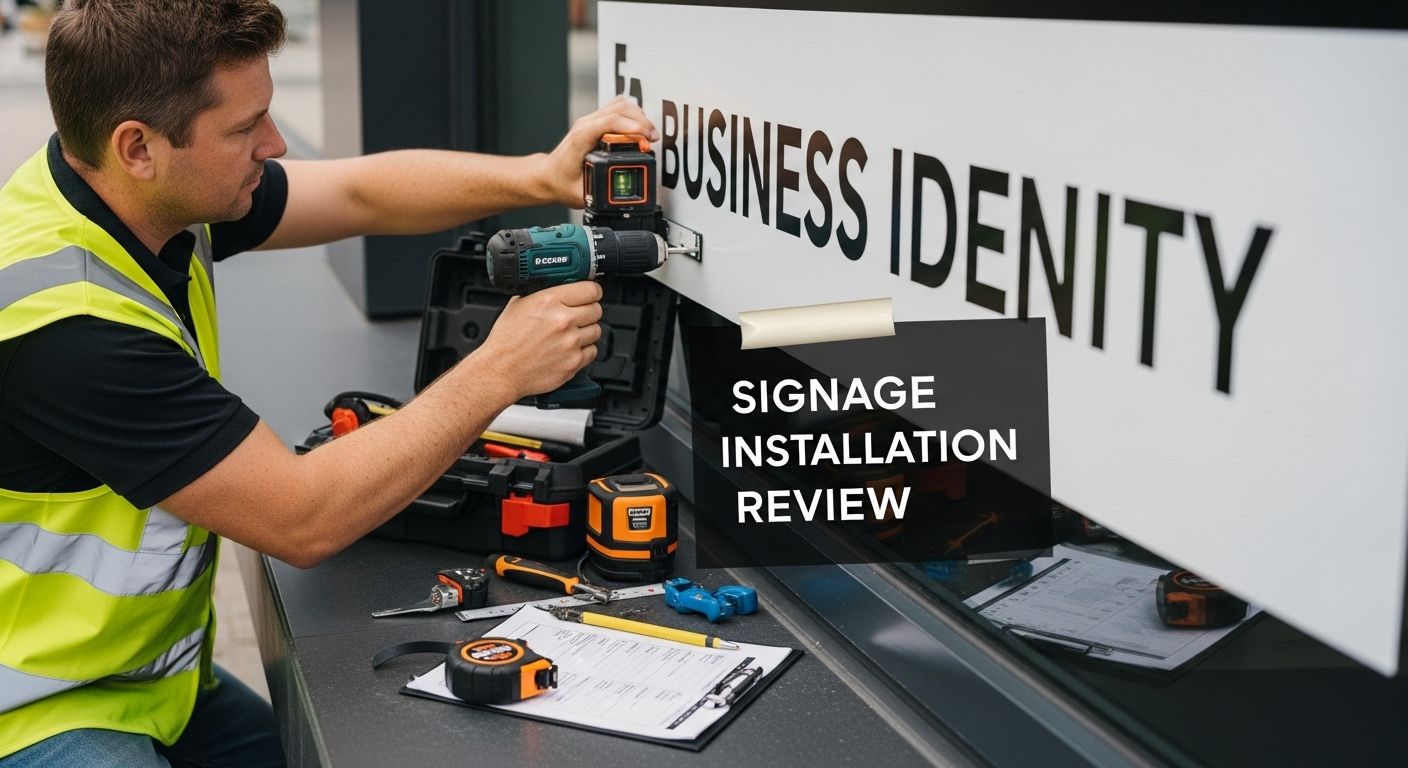
Straipsnis apie: planning a signage project — 6 žingsniai nuo poreikių nustatymo iki įdiegimo peržiūros.
Išorinių nuorodų nėra — visi esami linkai jau yra į promosigns.co.uk. Reikia tik pridėti 5 vidines nuorodas iš pagrindinio sąrašo.
5 tinkamiausios vidinės nuorodos pagal temą:
- shop signs London → /shop-signs-london/
- signage companies London → /signage-companies-london/
- large format printing London → /large-format-printing-london/
- custom signs London → /custom-signs-london/
- business signs London → /business-signs-london/
Business signs are everywhere and yet most owners are unaware that urban centres have far stricter signage rules than suburbs or rural towns. Plenty of people think signage is just about popping your logo on a board. The real power of successful signage comes from careful planning and a step-by-step process that many overlook.
Table of Contents
- Step 1: Identify Your Signage Needs And Goals
- Step 2: Research Local Regulations And Permits
- Step 3: Develop A Comprehensive Design Brief
- Step 4: Choose The Right Materials And Sign Types
- Step 5: Select A Qualified Signage Provider
- Step 6: Implement And Review Your Signage Installation
Quick Summary
| Key Point | Explanation |
|---|---|
| 1. Clearly Define Signage Objectives | Establish specific goals for your signage project to align design choices with your business communication needs. |
| 2. Research Local Regulations Thoroughly | Understand and comply with municipal signage regulations to avoid legal complications during installation. |
| 3. Develop a Detailed Design Brief | Create a comprehensive design brief outlining objectives, materials, budget, and brand guidelines for clarity across stakeholders. |
| 4. Select Appropriate Materials | Choose durable and environmentally suitable materials to ensure the longevity and effective communication of your signage. |
| 5. Choose a Qualified Signage Provider | Evaluate potential providers based on their industry experience and ability to deliver comprehensive services tailored to your needs. |
Step 1: Identify Your Signage Needs and Goals
Successful signage projects begin with crystal clear objectives. Before sketching designs or selecting materials, business owners must conduct a strategic evaluation of their specific signage requirements. This initial planning stage determines the foundation of your entire signage strategy, ensuring that every subsequent decision aligns with your core business communication goals.
Carefully assess the primary purpose of your signage. Are you aiming to increase brand visibility, provide directional information, attract new customers, or communicate essential business details? Each objective requires a different design approach. For retail businesses, signage might focus on drawing foot traffic and creating an inviting storefront presence. Professional service providers might prioritize conveying credibility and expertise through more subtle, sophisticated sign designs.
Consider the practical context of your signage installation. Evaluate your physical location’s architectural characteristics, surrounding environment, and potential visibility challenges. Urban settings with high foot traffic demand different signage strategies compared to suburban or industrial locations. Architectural elements like building facade, window spaces, and existing colour schemes will significantly influence your sign’s design and placement.
Your signage needs assessment should also factor in local regulations and compliance requirements. Many municipalities have specific guidelines regarding sign dimensions, illumination, placement, and material usage. Research local zoning laws and obtain necessary permits before finalizing your design. Learn more about selecting the perfect outdoor signage to understand the nuanced considerations that can make or break your project.
Budget constraints and long-term maintenance should be integral to your planning process. High-quality signage represents an investment in your business’s visual identity. While initial costs matter, consider durability, potential repair expenses, and the sign’s expected lifespan. A slightly more expensive, robust sign might prove more economical over time compared to cheaper alternatives requiring frequent replacement.
By meticulously identifying your signage needs and goals, you create a robust blueprint that guides every subsequent decision in your project.
| Step | Main Focus | Key Outcome |
|---|---|---|
| Identify Signage Needs and Goals | Clarifying objectives and practical requirements | Blueprint for design and compliance decisions |
| Research Local Regulations and Permits | Understanding and obtaining necessary permissions | Avoidance of legal issues and installation delays |
| Develop a Comprehensive Design Brief | Documenting objectives, requirements, and branding | Unified direction for designers and stakeholders |
| Choose the Right Materials and Sign Types | Matching aesthetics with durability and usage needs | Materials and signage type that reinforce brand identity |
| Select a Qualified Signage Provider | Evaluating credentials, portfolios, and services | Reliable delivery and long-term partnership |
| Implement and Review Installation | Ensuring precise installation and quality control | Signage that meets goals and maintains brand standards |
This strategic approach transforms signage from a mere functional requirement into a powerful communication tool that reflects your brand’s unique personality and professional ethos. For businesses at the very start of their journey, a consultation with experienced signage companies London at this early stage can save significant time and cost by identifying the right sign type, placement, and planning requirements before any design work begins.
Step 2: Research Local Regulations and Permits
Navigating the complex landscape of local signage regulations requires meticulous research and strategic planning. Each municipality has unique requirements that can significantly impact your signage project, making thorough investigation an absolutely critical step before any design or installation begins.
Begin by contacting your local council planning department directly. Many business owners underestimate the complexity of signage regulations, which can vary dramatically between different administrative zones. Some areas have strict guidelines about sign size, placement, illumination, and material composition. Urban centres typically have more stringent regulations compared to suburban or rural locations. Request a comprehensive information packet about commercial signage requirements, and be prepared to discuss the specific details of your proposed sign.
Most local authorities require formal permits for commercial signage, especially for signs that are permanently mounted, illuminated, or extend beyond your property’s boundaries. The permitting process often involves submitting detailed design drawings, material specifications, and precise location plans. Some councils may require additional documentation such as architectural site plans or professional engineering assessments. Budget sufficient time for this process, as permit approvals can take several weeks or even months depending on local bureaucratic procedures.
Explore detailed insights about illuminated sign regulations to understand the specific technical requirements that might apply to your project. Illuminated signs, in particular, often face more rigorous regulatory scrutiny due to potential light pollution and safety concerns.
Pay special attention to heritage conservation areas or districts with specific aesthetic guidelines. Historic town centres or conservation zones might have additional restrictions on sign design, colour, materials, and placement. These regulations aim to preserve the architectural character of the area and can significantly limit your design options.
Document every interaction and piece of information gathered during your regulatory research. Maintain a comprehensive file including correspondence with local authorities, copies of permit applications, and any official guidance received. This documentation will prove invaluable if questions arise during the permitting process or if you need to demonstrate compliance with local regulations.
Successful signage projects are built on a foundation of thorough regulatory understanding. By investing time and effort into comprehensive research, you protect your business from potential legal complications and ensure that your signage project proceeds smoothly and professionally. Whether you need a simple projecting sign or a fully illuminated fascia, the full range of shop signs London options comes with professional guidance on planning consent requirements for every sign type.
Step 3: Develop a Comprehensive Design Brief
A design brief transforms your signage vision from abstract concept to actionable plan. This crucial document serves as a strategic roadmap, capturing every essential detail that will guide your project from initial conception through final implementation. Think of it as the blueprint that ensures all stakeholders share a unified understanding of the project’s objectives, constraints, and desired outcomes.
Begin by articulating your core communication objectives with exceptional clarity. What specific message must your signage convey? Beyond mere visual appeal, your sign needs to communicate your brand’s personality, core values, and unique market positioning. Consider how typography, colour palette, and design elements will translate your business identity into a compelling visual language. A professional services firm might require a subdued, elegant approach, while a trendy cafe could benefit from a more vibrant, dynamic design strategy.
Carefully document your technical and practical requirements. Specify precise dimensions, preferred materials, mounting requirements, and anticipated environmental conditions. Include detailed information about your installation location, taking into account factors like ambient lighting, viewing distances, and potential visual obstructions. Learn more about crafting effective architectural signage solutions to understand the nuanced considerations that professional designers evaluate.
Your design brief should also establish clear budget parameters and timeline expectations. Break down anticipated costs, including design development, material procurement, fabrication, and installation. Create a realistic project schedule that accounts for potential delays, regulatory approvals, and iterative design refinements. Experienced project managers recommend building a 15-20% buffer into both budget and timeline to accommodate unexpected complexities.
Include comprehensive brand guidelines within your design brief. Provide high-resolution logo files, exact colour specifications using professional colour matching systems like Pantone, and examples of acceptable logo usage. This ensures that your signage will maintain absolute visual consistency with your broader brand identity. Specify any mandatory design elements that must be incorporated, such as specific fonts, colour ratios, or graphic treatment standards.
A well-constructed design brief acts as a powerful communication tool, aligning expectations between your business, designers, and fabrication teams. By investing time in developing a meticulously detailed document, you dramatically increase the likelihood of creating signage that not only meets but exceeds your strategic objectives. For businesses that want complete creative control over every design element, custom signs London specialists work directly from your brief to engineer and produce a sign that matches your exact specifications.
Step 4: Choose the Right Materials and Sign Types
Selecting the appropriate materials and sign types represents a pivotal moment in your signage project, where theoretical design meets practical implementation. Your choice will directly impact visual appeal, durability, maintenance requirements, and overall brand perception. The materials you select must harmonise aesthetic objectives with functional performance across diverse environmental conditions.
| Material | Key Benefits | Best Use Cases |
|---|---|---|
| Aluminium | Lightweight, corrosion-resistant, durable | External applications, urban environments |
| Acrylic | Visual clarity, can be custom shaped | Modern, sleek designs, internal and external |
| Powder-coated Steel | Robust strength, weather resistance | Areas with environmental stress |
| Marine-grade Materials | Superior resilience to salt, moisture | Coastal locations |
| LED Illumination | Energy efficient, long-lasting, low maintenance | Illuminated signs, enhanced visibility |
Aluminium, acrylic, and powder-coated steel emerge as premier choices for professional signage, each offering unique advantages. Aluminium provides exceptional lightweight durability and corrosion resistance, making it ideal for external applications. Acrylic delivers stunning visual clarity and can be fabricated into complex shapes, perfect for modern, sleek designs. Powder-coated steel offers robust strength and can withstand significant environmental stress while maintaining a refined appearance.
Consider the specific environmental challenges your signage will encounter. Urban locations with high pollution, coastal areas with salt exposure, or regions experiencing extreme temperature fluctuations demand materials with superior resilience. Coastal businesses might prioritise marine-grade materials, while city centre installations require signs capable of withstanding constant vibration and atmospheric pollutants.
Explore comprehensive guidance on selecting outdoor signage to understand the nuanced considerations that professional designers evaluate when matching materials to specific project requirements. Your selection process should balance aesthetic preferences with practical performance metrics.
Illumination technologies present another critical material consideration. LED technologies offer energy-efficient, long-lasting solutions with minimal maintenance requirements. Modern LED systems provide exceptional colour rendering, programmable lighting sequences, and significant energy savings compared to traditional fluorescent or neon alternatives. Consider integrated lighting solutions that complement your sign’s material composition, creating a cohesive visual statement.
Prioritise materials that align with your brand’s sustainability commitments. Recyclable materials, energy-efficient manufacturing processes, and long-lasting designs demonstrate corporate responsibility. Some businesses are now selecting materials that not only perform excellently but also communicate environmental consciousness.
Ultimately, your material and sign type selection must translate your brand’s visual language into a tangible, enduring communication tool. By meticulously evaluating performance characteristics, aesthetic potential, and long-term durability, you transform signage from a mere functional requirement into a strategic brand asset. For businesses that need large-scale printed graphic elements — whether for hoardings, banners, or building wraps — large format printing London provides the production capability to deliver any format at the required scale and resolution.
Step 5: Select a Qualified Signage Provider
Choosing the right signage provider transforms your design vision from concept to reality. This critical step demands careful evaluation beyond superficial price comparisons, requiring a comprehensive assessment of technical expertise, professional reputation, and strategic capabilities.
Professional credentials matter significantly when selecting a signage partner. Look for providers with proven track records in your specific industry sector. Examine their portfolio meticulously, paying close attention to projects similar to your own in scale, complexity, and design aesthetic. Experienced providers will demonstrate versatility across different business environments, from corporate offices to retail spaces, and showcase their ability to navigate complex regulatory landscapes.
Request comprehensive portfolios and detailed case studies that illustrate their problem-solving capabilities. Exceptional signage providers do more than manufacture signs — they offer strategic design consultation. They should demonstrate an ability to translate your brand identity into visual communication that resonates with your target audience. Explore professional commercial sign installation strategies to understand the nuanced considerations professional providers evaluate.
Technical capabilities represent another crucial evaluation criterion. Modern signage providers should offer comprehensive services including design conceptualisation, material selection, fabrication, digital rendering, regulatory compliance support, and professional installation. Advanced providers utilise cutting-edge design software, possess sophisticated manufacturing equipment, and maintain teams with interdisciplinary expertise.
Schedule in-depth consultations with potential providers, treating these meetings as strategic discussions rather than mere quotation requests. Prepare a detailed brief outlining your project requirements, brand guidelines, and specific expectations. Observe how thoroughly they listen, ask probing questions, and demonstrate understanding of your unique business context. Providers who ask insightful questions and offer constructive suggestions are more likely to deliver exceptional results.
Carefully review their warranty provisions, after-sales support mechanisms, and maintenance offerings. A reputable signage provider will stand behind their work, offering transparent documentation about material durability, potential repair processes, and long-term performance guarantees. Their commitment should extend beyond initial installation, reflecting a genuine partnership approach to your signage project. Businesses seeking a full end-to-end service — from first consultation through to completed installation — will find that partnering with established business signs London specialists delivers consistency, accountability, and quality assurance at every stage.
Step 6: Implement and Review Your Signage Installation
The implementation and review phase represents the critical moment where your meticulously planned signage project transitions from concept to tangible reality. This stage demands precision, careful coordination, and a systematic approach to ensure your vision is executed flawlessly.
Professional installation requires more than simply mounting a sign. Begin by conducting a comprehensive site survey immediately before installation, verifying precise measurements, structural integrity, and potential environmental challenges. Unexpected architectural nuances or mounting surface complications can dramatically impact installation quality. Experienced professionals will conduct thorough pre-installation assessments, identifying potential obstacles and developing adaptive strategies.
Discover professional commercial sign installation techniques to understand the intricate details that separate exceptional installations from mediocre implementations. Successful installation involves multiple critical considerations beyond simple placement, including structural support, electrical connections for illuminated signs, and ensuring optimal visual alignment.
Documentation becomes paramount during the installation process. Maintain a comprehensive installation log that records every significant decision, potential deviation from original plans, and technical consideration. Photograph each stage of the installation, creating a visual record that serves both archival and potential warranty purposes. These detailed records can prove invaluable if future maintenance or modifications become necessary.
Immediate post-installation review is crucial. Conduct a thorough assessment examining multiple perspectives: visual impact, functional performance, and alignment with original design specifications. Evaluate the sign from various distances and angles, considering how different lighting conditions might affect its appearance. Check for precise colour matching, structural stability, and overall aesthetic coherence with your brand’s visual identity.
Establish a structured feedback mechanism to gather external perspectives. Engage employees, customers, and trusted stakeholders to provide candid assessments of the new signage. Their insights can reveal nuanced perceptions about the sign’s effectiveness that might not be immediately apparent. Pay particular attention to visibility, readability, and the emotional response the signage generates.
Remember that signage implementation is not a singular event but part of an ongoing brand communication strategy. Commit to periodic reviews, maintaining the sign’s quality, relevance, and impact over time.
Ready to Bring Your Signage Vision to Life?
You have learned how clear objectives, careful material choice, and professional installation shape your brand identity. Now, transform those big ideas into reality with a trusted team. At PromoSigns, we specialise in creating eye-catching shop signs, reliable illuminated signs, and large format solutions for ambitious businesses across London, Essex, and Kent. Our expertise ensures every step from design and compliance to installation is handled with precision.
Do not let uncertainty or regulation hurdles hold your project back. Partner with our UK-based experts for end-to-end support that protects your budget, brand, and reputation. Visit PromoSigns today to discuss your signage goals or get a tailored quote. Start now to make sure your new sign captures attention, builds credibility, and follows all the right steps from the very beginning.
Frequently Asked Questions
What factors should I consider when identifying my signage needs and goals?
Begin by assessing the primary purpose of your signage, such as increasing brand visibility or providing directional information. Consider the practical context of your installation and local regulations, as well as your budget and long-term maintenance needs.
How do I research local regulations and permits for my signage project?
Start by contacting your local council planning department. Request a comprehensive information packet regarding commercial signage requirements and be prepared to submit design drawings and specifications for any necessary permits.
What should I include in a comprehensive design brief for signage?
Your design brief should articulate core communication objectives, document technical and practical requirements, establish budget and timeline expectations, and include comprehensive brand guidelines to ensure visual consistency with your brand identity.
What types of materials are best for outdoor signage?
Aluminium, acrylic, and powder-coated steel are excellent choices for outdoor signage due to their durability and resistance to environmental factors. Additionally, consider the specific environmental challenges your signage will face when selecting materials.
Recommended
- Branding with Exterior Signs: Boost Business Visibility – PromoSigns.co.uk
- Choosing Outdoor Signage: A Step-by-Step Guide for 2025 – PromoSigns.co.uk
- 7 Essential Indoor Sign Design Tips for Your Business – PromoSigns.co.uk
- Effective Signage for Architects: 2025 Guide for London Businesses – PromoSigns.co.uk
