
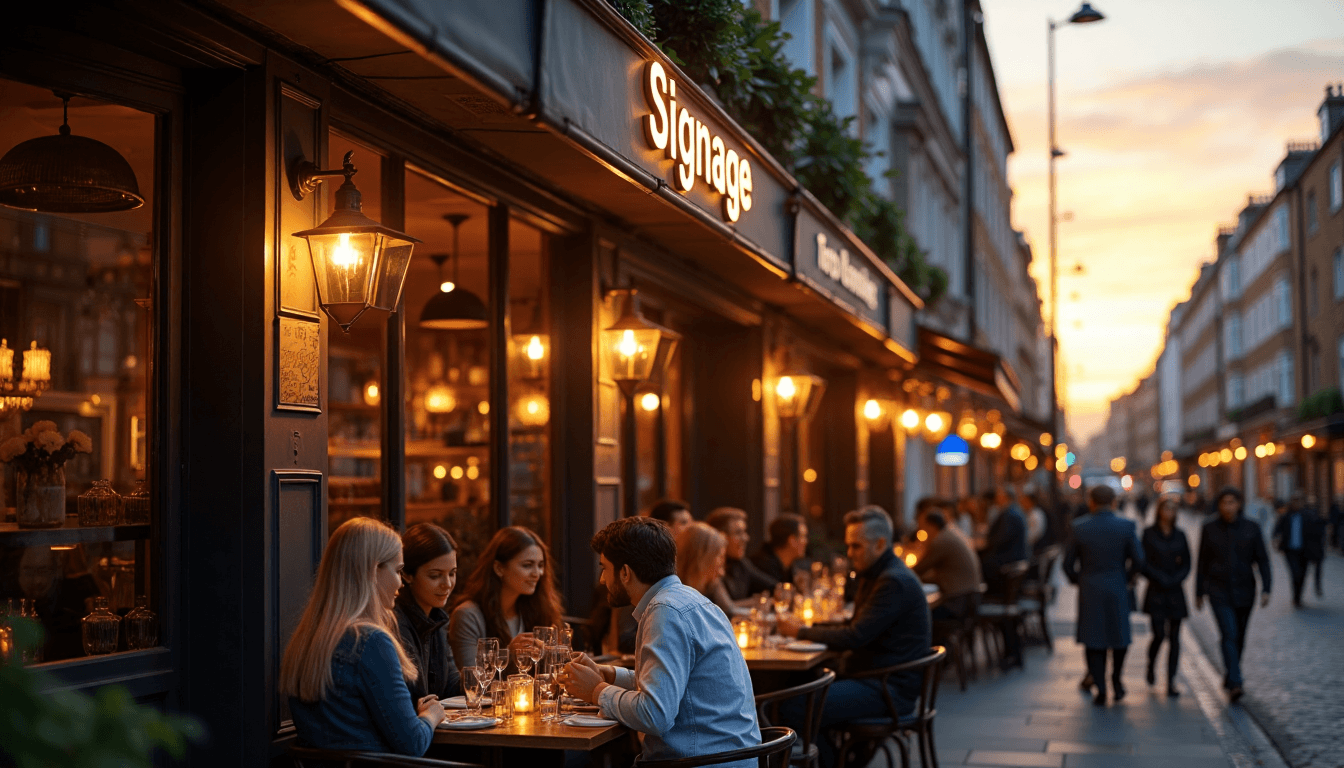
Restaurant signs do much more in London than point people to their dinner table. In fact, research shows a cleverly designed sign can directly influence how tasty and healthy customers believe your food is. Most people think a good logo or flashy colour is enough. The real magic happens when every visual choice tells a story, making your sign a silent ambassador that leaves Londoners hungry to find out what’s inside.
Table of Contents
Table of Contents
- Why Signage Matters For Restaurant Branding
- Designing Impactful Signs For London Businesses
- Signage Solutions For Different Spaces And Events
- Tips To Align Brand Identity With Signage
Quick Summary
| Takeaway | Explanation |
|---|---|
| Signage as Brand Identity | Restaurant signage serves as a key visual communication tool that conveys the restaurant’s personality, cuisine, and core values, creating a decisive first impression for potential diners in the competitive London market. |
| Impactful Design Elements | Effective signage design requires a balance of typography, colour, and visual elements that tell a story and reflect the restaurant’s character, enhancing emotional connections with customers. |
| Cultural Considerations | Signage should respect cultural authenticity and communicate culinary heritage, especially for ethnic restaurants, to attract customers and invite exploration of diverse culinary experiences. |
| Permanent vs. Temporary Signage | Adapting signage strategies for permanent displays versus temporary events is crucial, ensuring durability and design flexibility while maintaining brand consistency across different contexts. |
| Visual Consistency | Developing a cohesive visual language across all signage platforms is essential for encapsulating the restaurant’s identity and creating an emotional connection with potential customers. |
Why Signage Matters for Restaurant Branding
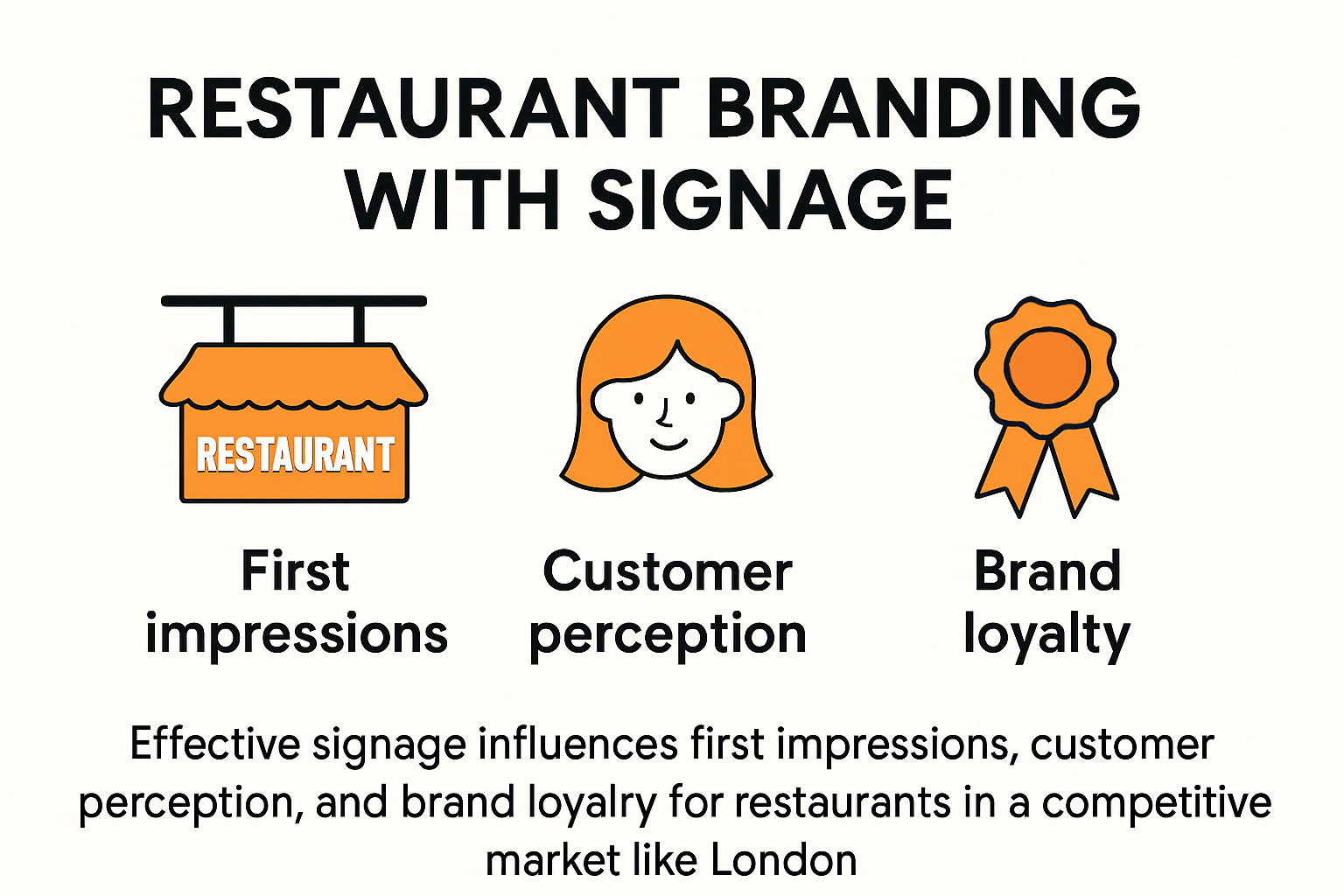
Restaurant signage is far more than a simple navigational tool. It represents the visual heartbeat of a brand’s identity, serving as a critical first impression that communicates a restaurant’s personality, cuisine, and core values before customers even step inside. In the competitive London dining scene, strategic signage can be the decisive factor that transforms a casual passerby into a loyal patron.
Visual Communication and Brand Identity
Signage acts as a powerful non-verbal communication channel for restaurants. Research in the British Food Journal revealed that restaurant signage design directly influences consumer perceptions of food tastiness, healthiness, and overall dining intentions. The colour palette, typography, and visual elements of a sign create an immediate emotional connection with potential diners.
For London restaurants, this means crafting a sign that not only catches the eye but also tells a story. Whether it’s a sleek, minimalist design for a contemporary fusion restaurant or a vintage-inspired sign for a traditional British eatery, the signage becomes an extension of the restaurant’s brand narrative. Learn more about creating impactful restaurant signs that truly represent your unique culinary identity.
Cultural Authenticity and Consumer Perception
Interestingly, a study in the International Journal of Contemporary Hospitality Management demonstrated that typography and design can significantly impact perceived authenticity. For ethnic restaurants, the right signage can communicate cultural heritage and culinary tradition. The research showed that specific design elements, such as traditional character usage, can enhance a restaurant’s perceived authenticity and attract discerning diners.
In the diverse London dining landscape, this insight is particularly crucial. A well-designed sign can bridge cultural gaps, inviting customers to explore new culinary experiences while respecting and celebrating the restaurant’s origins. The sign becomes more than a marker it becomes a storytelling medium that speaks to the restaurant’s unique background and culinary philosophy.
Ultimately, restaurant branding with signage is an art form that combines visual design, cultural communication, and strategic marketing. It’s about creating a visual invitation that promises an exceptional dining experience, setting expectations, and building anticipation before the first bite is even served. For London restaurants navigating a competitive market, investing in thoughtful, high-quality signage is not just recommended it’s essential for standing out and creating a memorable brand presence.
Designing Impactful Signs for London Businesses
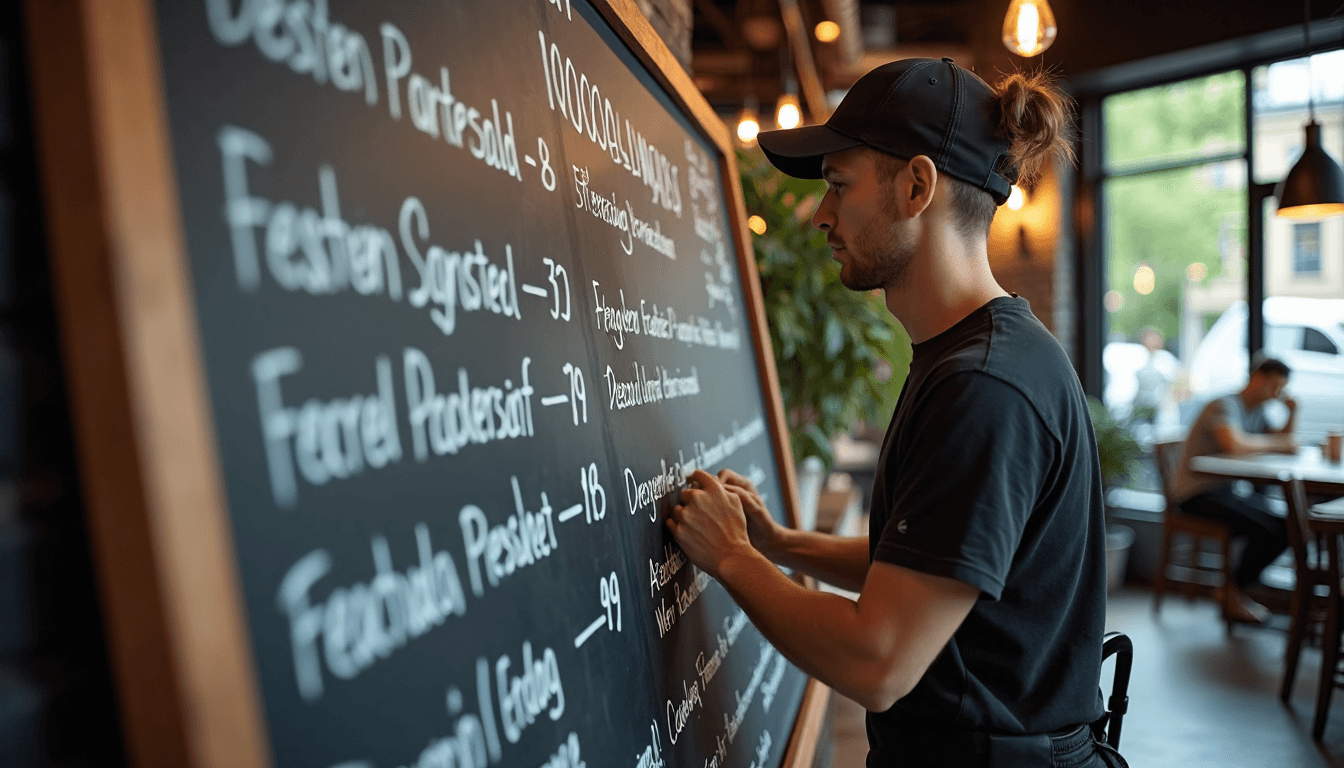
Designing restaurant signage in London requires a strategic approach that balances aesthetic appeal, brand identity, and functional communication. The competitive dining landscape demands signs that not only capture attention but also convey a restaurant’s unique narrative and culinary essence.
Typography and Visual Communication
Research from the University of California, Santa Barbara provides critical guidance for effective signage design. Their recommendations emphasize using sans-serif fonts for maximum readability, suggesting font sizes no smaller than 40 points and avoiding all-capital letters to ensure clarity from a distance. For London restaurants, this means selecting typefaces that are not only legible but also reflective of the establishment’s character.
The choice of typography becomes a silent communicator of brand personality. A classic serif font might suggest traditional British cuisine, while a modern minimalist typeface could indicate a contemporary fusion restaurant. Explore innovative sign design strategies that can transform your restaurant’s visual identity.
Cultural Context and Design Principles
London’s diverse culinary landscape demands signage that respects cultural nuances and communicates authenticity. The Legible London wayfinding system provides insights into creating clear, consistent visual communication. This principle is crucial for restaurants seeking to create signs that are not just decorative but functionally communicative.
Consider the architectural context of your location. A sign in Shoreditch might embrace industrial chic design elements, while a restaurant in Kensington might opt for more refined, elegant typography. The sign should feel like a natural extension of both the restaurant’s brand and its surrounding urban environment.
Successful restaurant signage in London goes beyond mere identification. It serves as a visual invitation, telling a story that begins before customers enter the premises. Colour selection, material choices, and design elements all contribute to creating a memorable first impression. Whether illuminated for evening visibility or crafted with traditional materials that reflect local heritage, each design element should be intentional and aligned with the restaurant’s core brand message.
Ultimately, impactful signage is about creating a visual promise of the dining experience that awaits. It must communicate not just the restaurant’s name, but its soul – hinting at the culinary journey, atmosphere, and unique value proposition that makes each establishment special in London’s vibrant dining scene.
Signage Solutions for Different Spaces and Events
Navigating the diverse landscape of restaurant signage requires a nuanced approach that adapts to different spaces, events, and business contexts. From permanent storefront displays to temporary event signage, each environment demands a unique strategic design that communicates brand identity effectively.
To help clarify the distinctions between signage strategies, the following table compares key features of permanent and temporary restaurant signage as discussed in this section:
| Feature | Permanent Signage | Temporary Signage |
|---|---|---|
| Purpose | Long-term brand identity | Event/seasonal promotions |
| Durability | High (materials like metal or wood) | Moderate (banners, lightweight materials) |
| Adaptability | Fixed, less adaptable | Flexible, easily updated/replaced |
| Design Consistency | Essential for core branding | Should align with brand but can be more experimental |
| Visibility Needs | Both day and night, often illuminated | Designed for high-impact visibility during event |
| Example Uses | Storefront signs, menu boards | Pop-up events, street food festivals |
Permanent vs. Temporary Signage Strategies
Research from the Interdisciplinary Journal of Signage and Wayfinding highlights that effective signage serves multiple critical functions beyond mere identification. It attracts customers, communicates a store’s image, and distinguishes businesses from competitors. For London restaurants, this means developing flexible signage solutions that can transition seamlessly between permanent installations and temporary event displays.
Permanent signage requires durability and consistency, reflecting the restaurant’s long-term brand identity. Materials like high-quality metal, carved wood, or precision-cut acrylic can create lasting impressions. Temporary signage, by contrast, demands adaptability and eye-catching design that can quickly communicate a specific event or seasonal offering. Explore comprehensive event signage strategies to ensure your restaurant stands out in any setting.
Cultural and Contextual Considerations
London’s diverse culinary scene demands signage that respects cultural nuances and adapts to various urban environments. Research in the British Food Journal reveals that signage color schemes and naming conventions can significantly impact consumer perceptions of food quality and dining intentions.
For pop-up events or temporary restaurant installations, signage must quickly communicate authenticity and culinary identity. This might involve using design elements that reflect the restaurant’s cultural heritage or the specific event’s theme. A street food festival might require bold, vibrant signage that can be seen from a distance, while a fine dining event might demand more subtle, elegant design approaches.
The versatility of signage becomes paramount in London’s dynamic dining landscape. Restaurants must consider multiple scenarios: permanent storefront signs, event banners, menu boards, temporary promotional displays, and even digital signage for online and offline marketing. Each medium requires a tailored approach that maintains brand consistency while adapting to specific spatial and contextual requirements.
Ultimately, successful signage solutions are about creating a cohesive visual narrative. Whether a restaurant is nestled in a historic Covent Garden location or hosting a temporary event in a Shoreditch warehouse, the signage must tell a compelling story. It should invite customers, communicate the essence of the culinary experience, and create an immediate emotional connection that transforms casual interest into a desire to explore and engage.
Tips to Align Brand Identity with Signage
Creating a cohesive brand identity through signage requires a strategic approach that goes beyond mere visual aesthetics. For London restaurants, signage becomes a critical communication tool that encapsulates the essence of their culinary concept, atmosphere, and unique value proposition.
Below is a summary table outlining key elements to maintain brand identity in restaurant signage, as highlighted in this section:
| Element | Brand Identity Alignment | Example Application |
|---|---|---|
| Colour Palette | Consistent with restaurant’s theme | Warm tones for British pub, vibrant colours for ethnic eateries |
| Typography | Reflective of concept and personality | Serif for tradition, sans-serif for modern fusion |
| Graphic Style | Tells brand story through visuals | Traditional motifs or minimalist graphics |
| Material Selection | Matches brand values and heritage | Carved wood for rustic, acrylic for modern |
| Lighting Design | Enhances atmosphere and visibility | Warm glow for cosy, LED for contemporary |
Visual Language and Brand Consistency
Research from the International Journal of Contemporary Hospitality Management reveals that typography and design significantly influence consumers’ perceptions of a restaurant’s authenticity. This underscores the importance of developing a visual language that consistently reflects your brand’s core identity across all signage platforms.
Every design element should tell a story. The colour palette, font selection, and graphic style should align seamlessly with your restaurant’s concept. A traditional British pub might employ classic, robust typography and rich, warm colours, while a modern fusion restaurant could opt for sleek, minimalist design elements. Discover the secrets of creating compelling shop signs that truly represent your brand’s unique character.
Cultural Authenticity and Visual Storytelling
Research in the British Food Journal highlights how signage colour schemes and naming conventions directly impact consumers’ perceptions of food quality and dining experiences. This insight is particularly crucial for London’s diverse culinary landscape, where restaurants must communicate cultural authenticity through visual design.
Consider how your signage can reflect your restaurant’s cultural heritage or culinary narrative. An Indian restaurant might incorporate traditional design motifs, while a Mediterranean establishment could use colour schemes and typography that evoke the warmth of coastal regions. The goal is to create a visual language that immediately communicates your restaurant’s unique story and invites customers to experience your culinary journey.
Brand alignment extends beyond aesthetic choices. It encompasses material selection, lighting design, and how signage interacts with the surrounding environment. A sign should feel like a natural extension of your restaurant’s interior and exterior design, creating a holistic brand experience that begins the moment a potential customer notices your signage.
Ultimately, successful brand identity through signage is about creating an emotional connection. Your sign should not just identify your restaurant but should spark curiosity, convey your culinary philosophy, and differentiate you in London’s competitive dining scene. It’s a visual promise of the experience that awaits inside, inviting customers to become part of your restaurant’s unique narrative.
Frequently Asked Questions
What role does signage play in restaurant branding?
Signage serves as a key visual communication tool, conveying a restaurant’s personality, cuisine, and core values while creating a decisive first impression in the competitive London market.
How can impactful signage influence customer perceptions?
A well-designed sign can directly affect how tasty and healthy customers perceive the food to be, enhancing emotional connections and influencing dining intentions.
What design elements should I consider for my restaurant signage?
Effective signage design should balance typography, colour, and visual elements that tell a story and reflect the restaurant’s character, ensuring it resonates with the target audience.
What are the differences between permanent and temporary signage strategies?
Permanent signage is designed for long-term brand identity, using durable materials, while temporary signage is often more adaptable and used for events or promotions, allowing for creativity in design.
Transform Your Restaurant’s First Impression with Bespoke Signage
Standing out in London’s crowded dining scene is more than a creative choice. The article highlighted that your restaurant’s sign does far more than guide customers through the door. Research shows that signage directly shapes perceptions of food quality, authenticity, and even taste. If you want your restaurant’s brand story to connect instantly with passersby, your sign must do more than display a name. It needs to express your identity through colour, typography and powerful design, just as detailed in the article. Yet many businesses struggle with generic visuals, inconsistent branding, or signs that do not echo their culinary narrative.

Why wait to give your restaurant the competitive edge it needs? Partner with a signage team that understands both the science and art behind impactful restaurant branding. At PromoSigns, we design, produce and install custom signage that brings your brand story to life across London, Essex, and Kent. Whether you are considering modern illuminated signs, classic shop fronts or event-ready displays, we guide you at every stage. Make the best first impression for 2025 and beyond.
Ready to add authentic flavour to your brand’s visual identity? Visit https://promosigns.co.uk today and start building a sign that serves as your silent ambassador. Your customers are just one glance away from discovering your story.
Recommended
- Signage and Brand Recognition: Boost Your London Business in 2025 – PromoSigns.co.uk
- Office Signage Ideas for London Businesses and Events: 2025 Trends – PromoSigns.co.uk
- Signage for Office Interiors: 2025 Guide for London Businesses – PromoSigns.co.uk
- Retail Sign Design Tips 2025: Essential Guide for London Businesses – PromoSigns.co.uk
- Custom Sign Design Process for London Businesses: 2025 Guide – PromoSigns.co.uk
- Types of Shop Signs for London Businesses: The 2025 Guide – PromoSigns.co.uk
