
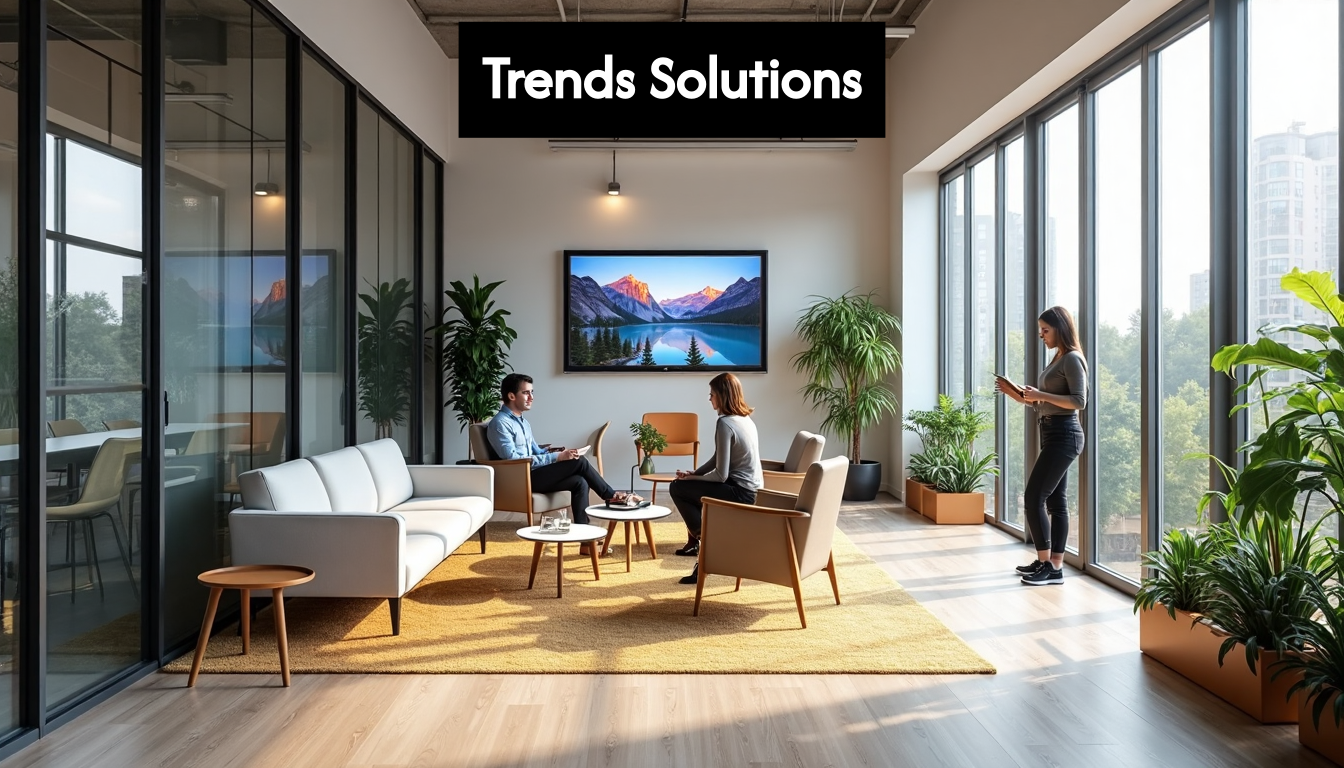
Interior signage is reshaping office spaces, and its impact is much bigger than you might think. While most people focus on logos and directories, the real shift is happening behind the scenes. More than 80 percent of leading designs now prioritise digital wayfinding and branded storytelling over traditional static signs. The real surprise is not just the technology, but how signage actively influences how people feel, move and interact within an environment. Forget just getting from A to B. Sophisticated signage is turning ordinary offices into dynamic, emotionally engaging experiences. Curious how this is changing the rules for designers in 2025?
Table of Contents
Table of Contents
- How Signage Enhances Interior Spaces
- Types Of Signage For London Businesses And Offices
- Custom Signage Solutions For Designers And Architects
- Key Considerations For Effective Signage In 2025
Quick Summary
| Takeaway | Explanation |
|---|---|
| Signage Enhances User Experience | Well-designed signage creates intuitive pathways, reduces cognitive load, and transforms spaces into emotionally resonant environments for users. |
| Technological Integration is Key | Advanced technologies like digital displays and interactive interfaces are fundamental in creating adaptive and engaging signage systems that respond to user needs. |
| Emphasis on Branding and Storytelling | Signage now serves as an integral component of brand narrative, using environmental storytelling to reinforce identity and create immersive experiences. |
| Sustainability is Essential | Future signage must prioritise eco-conscious materials and practices, ensuring designs are both functional and environmentally responsible, supporting a circular economy. |
| Collaboration is Crucial for Custom Solutions | Effective custom signage emerges from close partnerships between designers, architects, and signage specialists, ensuring cohesive design and functionality. |
How Signage Enhances Interior Spaces
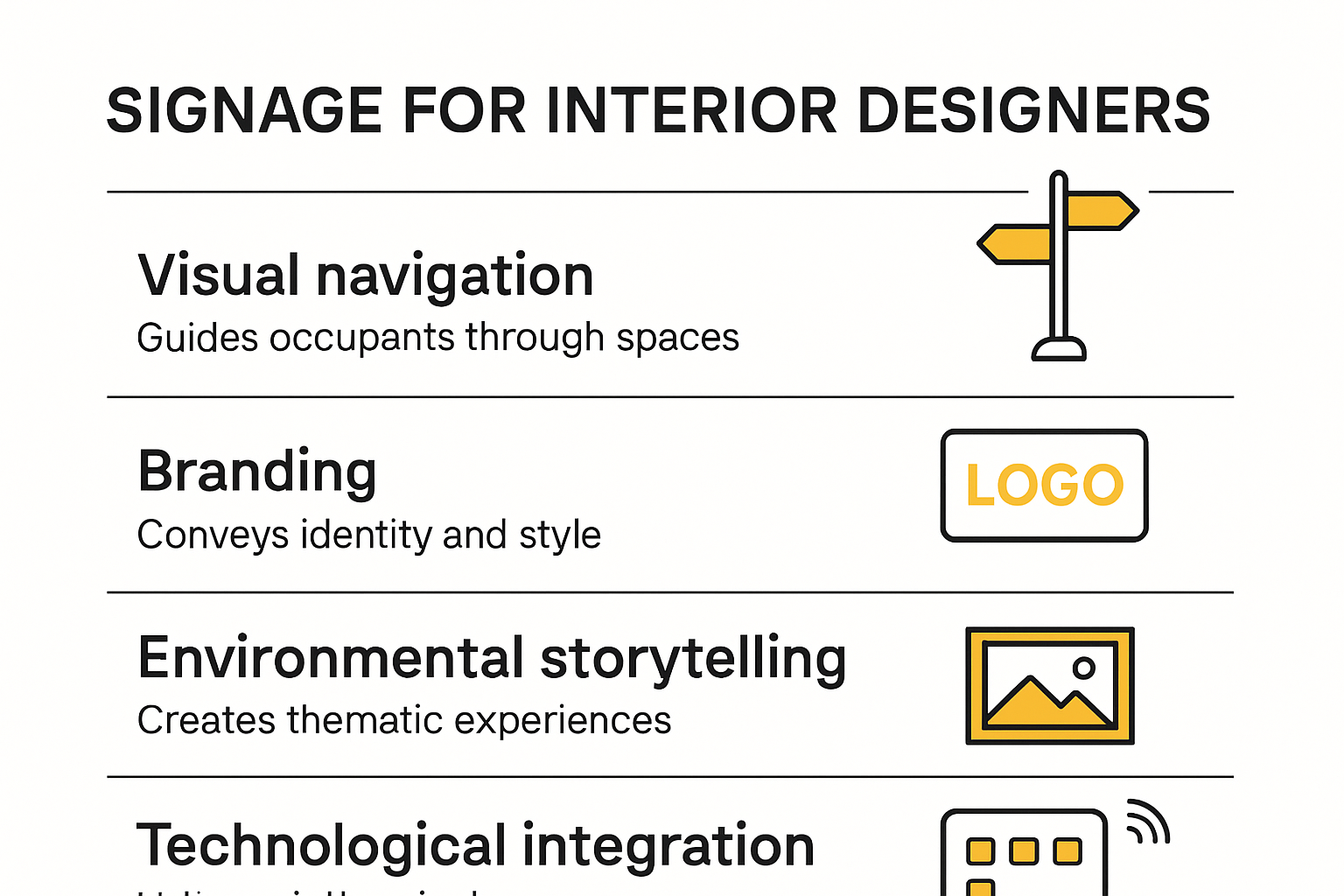
Interior design has evolved far beyond mere aesthetic decoration, with signage emerging as a critical element that transforms spaces from functional to extraordinary. Signage for interior designers in 2025 represents a sophisticated fusion of communication, brand storytelling, and environmental psychology.
Visual Navigation and Spatial Intelligence
Modern interior signage does more than direct people through a space. It creates intuitive pathways that enhance user experience and psychological comfort. Insights into spatial navigation reveal that well-designed signage can reduce cognitive load, helping individuals understand complex environments quickly and effortlessly.
Designers are now approaching signage as an integral part of spatial design. Strategic placement and thoughtful typography transform signs from mere informational tools into architectural elements that guide movement and create emotional responses. According to design trends for 2025, minimalist signage with clear graphics is becoming increasingly sophisticated, using negative space and subtle visual cues to communicate effectively.
Branding and Environmental Storytelling
Signage has transcended its traditional communicative function to become a powerful medium for brand narrative and environmental storytelling. Interactive and digital signage solutions are revolutionising interior spaces by creating immersive experiences. Research from North American Sign Trends demonstrates that touch screens and augmented reality installations can dramatically increase user engagement.
Biophilic design principles are also influencing signage strategies. By incorporating natural materials and organic design elements, signs are no longer just informational markers but integral components of wellness-focused environments. These design approaches support psychological well-being, creating spaces that feel more connected to natural ecosystems.
Technological Integration and User Experience
The convergence of technology and design is reshaping how signage functions within interior spaces. Advanced materials and smart technologies enable signs to be adaptive, responsive, and contextually intelligent. Digital displays can now change content dynamically, providing real-time information and creating flexible communication platforms.
Interior designers are leveraging these technological capabilities to create multi-sensory experiences. Signs are no longer static objects but dynamic interfaces that respond to user proximity, time of day, and specific environmental conditions. This intelligent approach transforms signage from a passive element to an active participant in spatial design, enhancing both functionality and aesthetic appeal.
As interior design continues to evolve, signage stands at the intersection of technology, communication, and spatial experience. The most successful designs will be those that seamlessly integrate informational, emotional, and technological dimensions, creating environments that are not just seen, but truly experienced.
Types of Signage for London Businesses and Offices
The signage landscape for London businesses and offices in 2025 has become increasingly sophisticated, reflecting the complex communication needs of modern workspaces. As organisations seek to create more dynamic and engaging environments, the diversity of signage solutions has expanded dramatically.
Digital and Interactive Signage Solutions
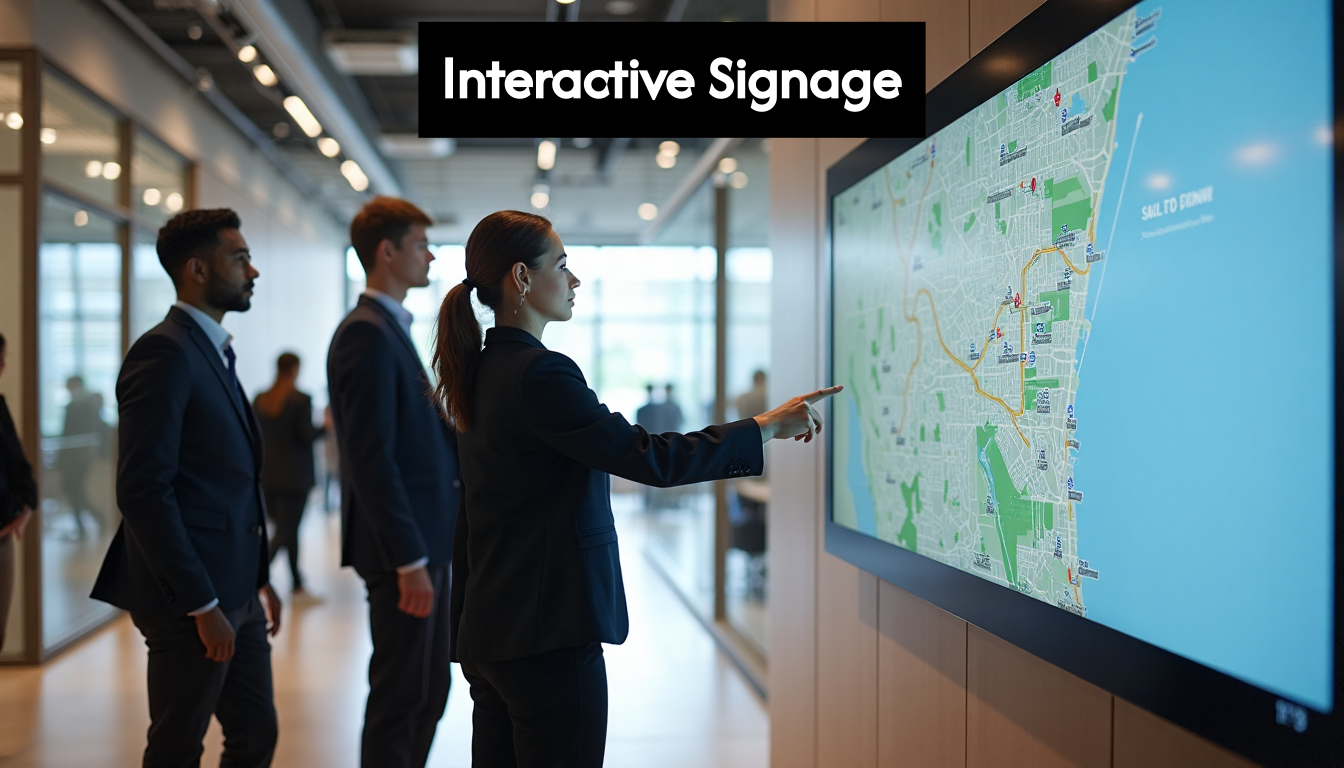
Digital signage has revolutionised how businesses communicate internally and externally. Our comprehensive guide to office interiors highlights the transformative potential of these technological solutions. According to research from FastSigns, interactive wayfinding systems are becoming a cornerstone of modern office design.
These advanced systems go beyond traditional directional markers. Touch-screen displays now offer real-time information about room availability, employee directories, and even environmental conditions. LED displays with customisable content allow businesses to create dynamic communication platforms that can instantly adapt to changing organisational needs. Augmented reality interfaces are emerging as particularly innovative solutions, providing immersive experiences that blend digital information with physical space.
Branded Environmental Graphics
Branding has transcended traditional logo placement, evolving into comprehensive environmental storytelling. Research from Astley UK indicates that London businesses are increasingly adopting large-scale, immersive branded assets that transform entire interior spaces.
These environmental graphics serve multiple purposes. They communicate company culture, reinforce brand identity, and create visually stimulating work environments. Customisable LED rope lighting offers particularly flexible solutions, allowing businesses to create adaptive spaces that can change ambiance and visual communication instantly. From feature walls with integrated company narratives to sculptural signage that doubles as architectural elements, these graphics are becoming essential tools for spatial design.
Functional and Adaptive Signage Systems
Modern signage solutions prioritise both functionality and aesthetic flexibility. Synergy Creative research reveals a growing trend towards modular signage systems that can be easily reconfigured to meet changing workspace requirements. Wayfinding solutions now incorporate smart technology that can provide personalised navigation assistance, accessibility features, and real-time updates.
Accessibility remains a critical consideration, with signage designs that accommodate diverse user needs. This includes high-contrast visual designs, tactile elements for visually impaired users, and multilingual information systems. The most advanced solutions integrate seamlessly with mobile technologies, allowing users to interact with physical spaces through smartphone applications.
As London’s business environments continue to evolve, signage has emerged as a critical tool for communication, branding, and spatial experience. The most effective solutions will be those that seamlessly blend technological innovation, design aesthetics, and functional clarity, creating environments that are not just navigated, but truly experienced.
Custom Signage Solutions for Designers and Architects
Custom signage represents a critical intersection between functional communication and artistic expression for designers and architects in 2025. These bespoke solutions are no longer mere informational tools but integral components of spatial design that communicate brand identity, enhance user experience, and seamlessly integrate with architectural environments.
Collaborative Design Approaches
Successful custom signage solutions emerge from deep collaborative partnerships between signage specialists, architects, and interior designers. Our architectural signage expertise enables us to understand the nuanced requirements of complex design projects. According to Architectural Design Insights, creating a unified design language requires meticulous attention to material consistency, brand representation, and spatial context.
This collaborative approach means signage is conceived not as an afterthought, but as an essential element of the overall design narrative. Designers now work closely with signage experts from project inception, ensuring that wayfinding solutions are aesthetically integrated and functionally elegant. Advanced digital previewing technologies allow real-time visualisation and precise placement strategies, enabling designers to experiment and refine signage concepts before implementation.
Material Innovation and Design Flexibility
Contemporary custom signage solutions leverage unprecedented material innovations that expand design possibilities. POH Architects research highlights how architectural signage can blend seamlessly within interior environments, transforming informational elements into sculptural design features.
Materials now range from sustainable recycled composites to high-tech luminescent surfaces, offering designers unprecedented creative freedom. Backlit LED channel letters, digital interactive boards, and modular signage systems provide flexible solutions that can adapt to changing spatial requirements. Designers are exploring unconventional materials like etched glass, precision-cut metals, and responsive digital interfaces that can dynamically update content and visual aesthetics.
Technological Integration and Personalisation
Digital technologies have revolutionised custom signage, enabling unprecedented levels of personalisation and interactivity. Research from XDigital demonstrates how advanced signage solutions now incorporate real-time data integration, accessibility features, and contextual responsiveness.
Smart signage systems can now adjust visual information based on user proximity, time of day, or specific environmental conditions. Augmented reality overlays and touch-sensitive interfaces transform traditional signage into interactive experiences. For architects and designers, this means creating environments that are not just visually compelling but dynamically responsive to human interaction.
As design paradigms continue to evolve, custom signage solutions represent a sophisticated fusion of technology, aesthetics, and functional communication. The most innovative approaches will seamlessly integrate brand narratives, spatial design principles, and cutting-edge technological capabilities, creating environments that are informative, engaging, and profoundly memorable.
Key Considerations for Effective Signage in 2025
As the design landscape continues to evolve, signage in 2025 demands a holistic approach that transcends traditional visual communication. Effective signage now requires a nuanced understanding of technological integration, user experience, and environmental responsibility.
Design Principles and Visual Communication
Our comprehensive signage guide emphasises the critical importance of minimalist design principles. According to Design Trends Research, effective signage in 2025 prioritises clean lines, clear graphics, and purposeful typography that communicates brand identity without overwhelming visual spaces.
The key lies in creating a delicate balance between information and aesthetic elegance. Designers must consider negative space, colour psychology, and typographic hierarchy to ensure that signage communicates effectively while maintaining visual harmony. This approach requires a deep understanding of how human perception interacts with visual information, transforming signage from a mere directional tool to a sophisticated communication medium.
Technological Integration and User Experience
Technological advancement has fundamentally transformed signage capabilities. North American Sign Trends research reveals that interactive and AI-driven signage solutions are becoming standard in forward-thinking interior environments. Touch screens, augmented reality interfaces, and dynamic content systems now offer unprecedented levels of user engagement and personalisation.
These advanced systems go beyond traditional information delivery. They create adaptive experiences that respond to user proximity, time of day, and specific contextual requirements. Artificial intelligence enables signage to provide personalised wayfinding, real-time updates, and interactive experiences that transform passive communication into active engagement. The most effective solutions seamlessly integrate digital technology with architectural design, creating intuitive and responsive environmental interfaces.
Sustainability and Ethical Design
Sustainability has emerged as a non-negotiable consideration in signage design for 2025. Cleveland Sign Company research highlights the growing demand for eco-conscious signage solutions that minimise environmental impact. This includes using recycled materials, implementing energy-efficient lighting technologies, and designing modular systems that reduce waste and support circular economy principles.
Ethical design now encompasses more than material selection. It involves creating inclusive signage that considers accessibility, cultural sensitivity, and universal design principles. Designers must develop solutions that communicate effectively across diverse user groups, incorporating multilingual options, high-contrast designs, and tactile elements that support users with different abilities.
The future of signage lies in creating holistic solutions that balance aesthetic sophistication, technological innovation, and environmental responsibility. Successful designs will seamlessly integrate communication, user experience, and sustainable practices, transforming signage from a functional necessity to a dynamic, intelligent environmental interface that enhances human interaction and spatial understanding.
Frequently Asked Questions
What are the latest trends in interior signage for 2025?
Modern interior signage trends focus on digital wayfinding, branding through environmental storytelling, and the integration of advanced technologies like augmented reality and interactive displays.
How does signage enhance user experience in office spaces?
Well-designed signage facilitates intuitive navigation, reduces cognitive load, and creates emotional connections, transforming typical office environments into engaging experiences for users.
What types of signage are recommended for London businesses?
London businesses should consider digital and interactive signage, branded environmental graphics, and functional adaptive signage systems to meet their modern communication needs effectively.
Why is sustainability important in signage design?
Sustainability is crucial in signage design as it promotes the use of eco-friendly materials and practices, supporting a circular economy and reflecting ethical design principles for inclusive and accessible communication.
Ready to Transform Interior Spaces with Cutting-Edge Signage?
Interior designers are facing new challenges in 2025. The landscape has shifted toward digital wayfinding, branded storytelling, and seamless integration of technology into every touchpoint. If you are frustrated by static signs that fail to inspire or your current signage does not support personalised experiences and eco-conscious practices, it is time for change. Our expertise in custom signage design, illuminated solutions, and large format printing empowers you to deliver engaging environments—just as discussed in the latest Signage for Interior Designers trends.

Do not let outdated signage hold back your next interior project. Partner with PromoSigns to access innovative, sustainable, and tailor-made solutions for London, Essex, and Kent. Whether you want integrated digital displays, branded graphics that tell your client’s story, or illuminated features that captivate, our team can handle the entire process from concept to installation. Visit our website now and see how easily you can elevate every space with signage that truly works—for you and your clients.
Recommended Articles
- Signage for Office Interiors: 2025 Guide for London Businesses – PromoSigns.co.uk
- Interior vs Exterior Signage: Best Choices for London Businesses 2025 – PromoSigns.co.uk
- Retail Sign Design Tips 2025: Essential Guide for London Businesses – PromoSigns.co.uk
