
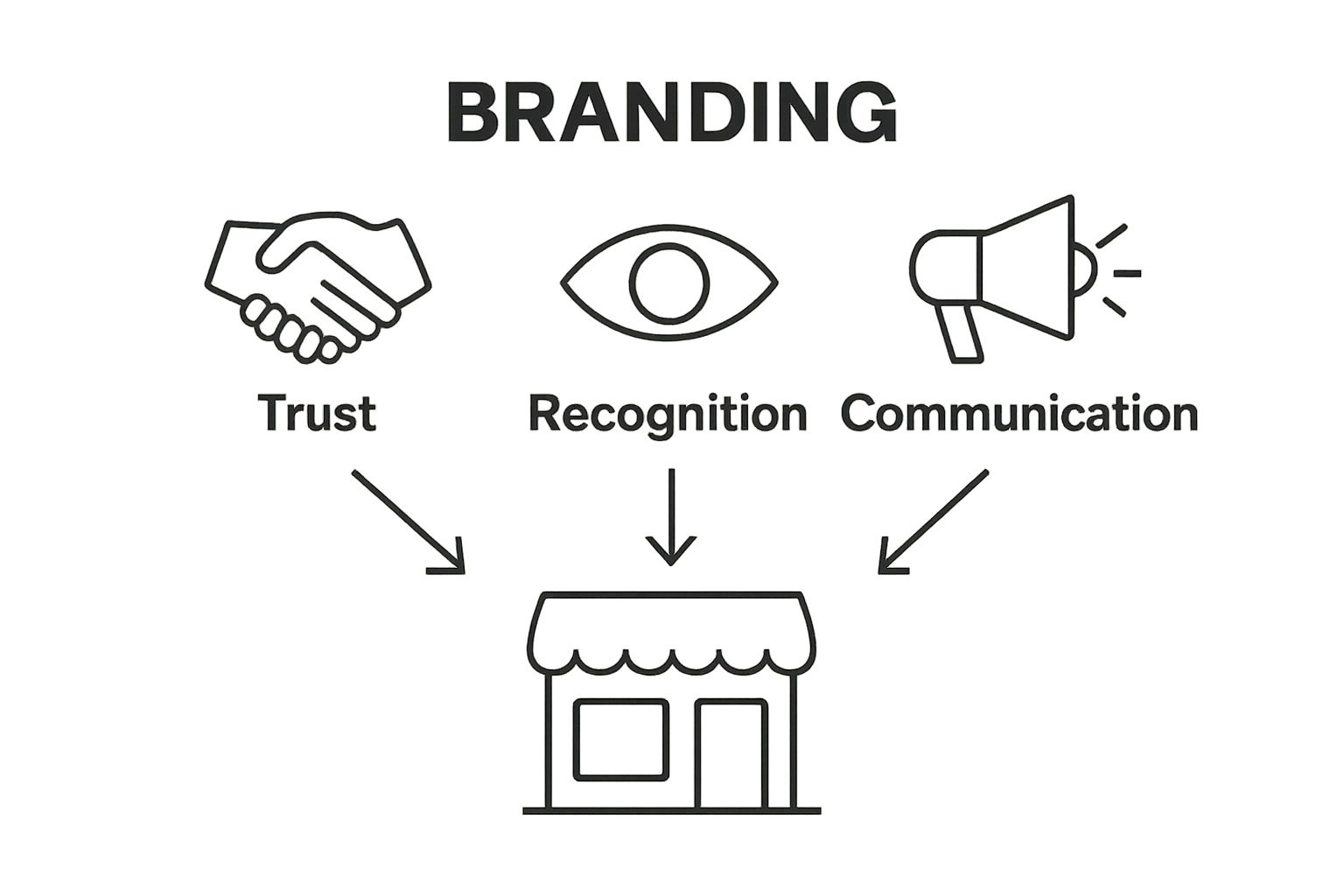
Shopfront branding guidelines shape the way businesses are seen from the street and can make or break that vital first impression. A study found that well-planned shopfront branding can increase customer footfall by up to 30 percent. Most would think it is all about looking pretty or following a colour chart and some font rules, but it is much more than that. These guidelines quietly set the stage for trust, recognition, and business growth before a single word is spoken.
Table of Contents
- What Are Shopfront Branding Guidelines?
- The Purpose Of Shopfront Branding Guidelines
- Design Considerations In Shopfront Branding Guidelines
- Why Are Shopfront Branding Guidelines Important For Businesses?
- Building Brand Recognition And Customer Trust
- Economic And Marketing Impact
- Key Elements Of Effective Shopfront Branding
- Visual Identity And Design Consistency
- Strategic Signage And Communication Elements
- How Shopfront Branding Influences Customer Perception
- Psychological Impact Of Visual Design
- Perception And Brand Credibility
- Real-World Examples Of Successful Shopfront Branding
- Retail And Hospitality Sector Innovations
- Urban Regeneration And Place Branding
Table of Contents
Quick Summary
| Takeaway | Explanation |
|---|---|
| Establish brand consistency visually | Consistent visual representation reinforces brand identity across all locations, enhancing recognition. |
| Craft an engaging storefront design | Use strategic signage, colour palettes, and materials to communicate brand values and appeal to customers. |
| Follow local design regulations | Compliance with architectural guidelines ensures that storefront designs are not only appealing but also legal and acceptable. |
| Utilise design for customer trust | Professional storefront branding influences customer perceptions and builds confidence before interaction occurs. |
| Transform storefronts into marketing tools | Well-crafted branding turns a simple physical space into a vibrant platform for effective brand communication. |
What are Shopfront Branding Guidelines?
Shopfront branding guidelines are comprehensive design frameworks that establish standardised visual communication rules for businesses presenting their brand identity through physical storefront appearance. These guidelines provide a strategic blueprint for how businesses communicate their professional image, ensuring visual consistency and creating a memorable first impression for potential customers.
The Purpose of Shopfront Branding Guidelines
Branding guidelines for shopfronts serve multiple crucial functions in commercial environments. They establish clear parameters for how a business represents itself visually, ensuring that signage, colour schemes, typography, and overall aesthetic align with the brand’s core identity. Explore our guide on creating impactful shop signs to understand the nuanced approach required.
Key purposes include:
- Creating visual recognition and consistency across different business locations
- Communicating brand personality and professional standards
- Establishing a professional and cohesive visual identity
- Ensuring compliance with local architectural and design regulations
Design Considerations in Shopfront Branding Guidelines
Effective shopfront branding guidelines consider multiple design elements to create a comprehensive visual strategy. These typically encompass specific recommendations about:
- Signage dimensions and placement
- Colour palette specifications
- Typography and font selection
- Material choices for signs and exterior elements
- Illumination and visibility standards
These guidelines are not just aesthetic choices but integral components of creating active, attractive, and sustainable commercial environments. Professional branding guidelines transform a simple storefront into a powerful communication tool that reflects a business’s values, professionalism, and unique market positioning. For businesses ready to put guidelines into action, commissioning professionally produced shop signs London ensures every specification — from colour matching to mounting height — is executed to the exact standard your brand guidelines demand.
Why are Shopfront Branding Guidelines Important for Businesses?
Shopfront branding guidelines represent a critical strategic investment for businesses seeking to establish a powerful and memorable visual identity in competitive commercial landscapes. These guidelines go far beyond aesthetic considerations, serving as fundamental communication tools that directly impact customer perception, brand recognition, and overall business success.
Building Brand Recognition and Customer Trust
Consistent visual representation through well-designed shopfront branding creates immediate recognition and builds customer confidence. Learn more about attracting customers through strategic visual design to understand the nuanced impact of visual communication.
Key benefits of robust branding guidelines include:
- Establishing a professional and credible business image
- Creating memorable visual experiences for potential customers
- Differentiating the business from competitors
- Reinforcing brand values and personality
Economic and Marketing Impact
Well-planned graphic identities are crucial for small independent businesses to effectively communicate their unique messages. Professional shopfront branding serves multiple economic functions:
- Attracting potential customers through visual appeal
- Communicating business offerings and specialities
- Creating a cohesive marketing strategy across physical and digital platforms
- Supporting local economic development by enhancing commercial streetscapes
By investing in comprehensive shopfront branding guidelines, businesses transform their physical storefronts from mere commercial spaces into powerful brand communication platforms. These guidelines enable businesses to tell their unique story, connect with their target audience, and create lasting visual impressions that extend far beyond simple signage. Extending branding beyond the fascia to include shop window graphics multiplies the surface area working to communicate your brand identity and draw in passing customers.
Key Elements of Effective Shopfront Branding
Effective shopfront branding is a sophisticated blend of visual design, strategic communication, and brand storytelling that transforms a physical storefront into a powerful marketing platform. Understanding the critical elements that contribute to compelling shopfront branding enables businesses to create memorable and impactful visual experiences.
Visual Identity and Design Consistency
The foundation of successful shopfront branding lies in creating a cohesive visual language that communicates the business’s core identity. Discover expert tips for designing compelling shop signs to understand the nuanced approach required for effective visual communication.
Key visual elements include:
- Consistent colour palette reflecting brand personality
- Professionally designed logo placement
- Typography that aligns with brand character
- Harmonious integration of signage with architectural context
- Strategic use of negative space
Strategic Signage and Communication Elements
Lighting, signage, and window displays play crucial roles in attracting and engaging potential customers. Effective shopfront branding goes beyond aesthetic appeal, serving as a communication tool that instantly conveys business essence.
Critical communication considerations encompass:
- Clear and legible signage with appropriate sizing
- Illumination techniques that enhance visibility
- Window displays that tell a compelling brand story
- Signage materials that reflect brand quality and values
- Adaptable design that allows for seasonal updates
By meticulously crafting these elements, businesses can transform their shopfront from a simple physical space into a dynamic brand communication platform that attracts, informs, and engages potential customers. For glass surfaces specifically, vinyl sticker printing London provides a precise, brand-accurate way to apply logos, promotions, and decorative elements directly to shopfront windows without permanent alteration.
| Key Element | Description |
|---|---|
| Colour Palette Consistency | Use of a defined set of colours that reflect the brand personality and promote recognition |
| Logo Placement | Strategic and prominent positioning of the business logo to reinforce identity |
| Typography | Selection of fonts that align with the brand character and ensure readability |
| Signage Integration | Harmonious blending of signage with architectural features and local context |
| Material Choices | Use of materials for signage and exterior that represent brand quality and values |
| Illumination Standards | Effective lighting to enhance visibility and attract attention |
| Window Displays | Engaging and thematic displays that communicate brand narratives and seasonal messages |
| Adaptable Design | Flexibility to update branding elements for promotions or seasons while maintaining consistency |

How Shopfront Branding Influences Customer Perception
Shopfront branding operates as a silent yet powerful communicator, instantaneously shaping potential customers’ psychological and emotional responses before they even enter a business. This visual first impression serves as a critical interface between a brand’s identity and public perception, transforming physical storefront design into a sophisticated marketing instrument.
Psychological Impact of Visual Design
Customers subconsciously interpret visual cues as indicators of business quality, professionalism, and reliability. Learn how window graphics can strategically attract customer attention to understand the nuanced psychological mechanisms at play.
Key psychological triggers include:
- Colour psychology influencing emotional responses
- Typography communicating brand personality
- Design sophistication suggesting service quality
- Visual clarity indicating business transparency
- Aesthetic coherence building trust
Perception and Brand Credibility
Store frontage design significantly affects perceived value and customer trust before any direct interaction occurs. Shopfront branding serves as a non-verbal communication channel that instantly signals a business’s professionalism, market positioning, and core values.
Critical perception-building elements encompass:
- Consistent brand messaging across visual elements
- Professional execution of design details
- Alignment of visual identity with target audience expectations
- Reflection of brand values through design choices
- Creating an inviting and memorable visual experience
By strategically crafting shopfront branding, businesses can engineer positive first impressions, differentiate themselves from competitors, and create lasting psychological connections with potential customers. For food and beverage businesses, incorporating a branded shop canopies London as part of the overall shopfront design adds a three-dimensional brand presence that draws the eye from further down the street.
| Impact Area | Description |
|---|---|
| Colour Psychology | Influences emotional reactions and helps establish mood and connection with passers-by |
| Typography | Shapes perception of professionalism and communicates core brand personality |
| Design Sophistication | Suggests quality of service or products offered and underlines brand positioning |
| Visual Clarity | Indicates transparency and approachability of the business |
| Consistent Messaging | Builds trust by aligning all visual elements with brand values and customer expectations |
| Professional Execution | Demonstrates attention to detail and fosters credibility |
| Inviting Aesthetics | Creates lasting positive first impressions, encouraging footfall and repeat visits |
Real-World Examples of Successful Shopfront Branding
Successful shopfront branding transcends mere visual aesthetics, representing strategic storytelling that transforms physical spaces into powerful brand communication platforms. By examining innovative approaches across various industries, businesses can uncover compelling strategies for creating memorable and effective storefront designs.
Retail and Hospitality Sector Innovations
The retail and hospitality sectors have consistently demonstrated exceptional shopfront branding techniques that capture customer imagination. Explore modern visual display strategies for effective branding to understand the nuanced approaches successful businesses employ.
Notable examples include:
- Independent coffee shops using minimalist typography and natural materials
- Fashion boutiques creating immersive window displays that tell seasonal narratives
- Artisan bakeries integrating handcrafted signage reflecting their brand ethos
- Tech stores using sleek, modern design elements that communicate innovation
- Vintage shops leveraging nostalgic design elements to attract specific customer segments
Urban Regeneration and Place Branding
Successful shopfront branding can contribute significantly to urban regeneration and place identity. Cohesive visual strategies can transform entire commercial districts, creating unified brand experiences that attract both businesses and customers.
Key urban branding strategies encompass:
- Collaborative design guidelines for historical district storefronts
- Coordinated colour palettes reflecting local cultural heritage
- Integrated signage systems that create visual continuity
- Supporting local business identities while maintaining architectural integrity
- Creating welcoming and distinctive neighbourhood characteristics
These real-world examples demonstrate that exceptional shopfront branding is a sophisticated blend of design, storytelling, and strategic communication that extends far beyond simple visual presentation. For businesses commissioning large-scale graphics as part of a shopfront refresh — including murals, full-width banner displays, or hoarding graphics — large format printing London delivers the production scale and colour precision needed to make a truly bold visual statement.
Transform Your Shopfront Branding into Lasting Impact
Have you realised that your current shopfront struggles to make a memorable impression or consistently represent your brand identity? Many business owners face the challenge of turning their physical storefronts into powerful and cohesive marketing tools. The article highlighted how vital shopfront branding guidelines are for building recognition, trust, and professional appeal, and how visual design standards directly influence customer perceptions.
Now is the perfect moment to put these principles into action and ensure your shopfront becomes a reflection of your unique identity and values. At PromoSigns, we specialise in designing, creating and installing custom shop signs and illuminated solutions that bring your branding guidelines to life. Whether you want consistency across multiple locations, or wish to stand out in a crowded street, our expert team is here to help you make a lasting impression on every passer-by. Visit our website today to find out how our comprehensive signage solutions can turn your business goals into reality.
Frequently Asked Questions
What are shopfront branding guidelines?
Shopfront branding guidelines are comprehensive design frameworks that define standardised visual communication rules for the appearance of physical storefronts, ensuring consistency and a memorable first impression.
Why are shopfront branding guidelines important for businesses?
They are crucial for establishing a professional image, boosting brand recognition, and differentiating a business from its competitors, ultimately influencing customer perception and trust.
What key elements should be included in effective shopfront branding?
Effective shopfront branding should include visual identity elements like colour palettes, typography, signage design, and materials, along with strategic communication features such as clear messaging and engaging window displays.
How does shopfront branding influence customer perception?
Shopfront branding creates a significant psychological impact on potential customers, shaping their perceptions of quality and professionalism before they even enter the store. Cohesive branding can foster trust and convey the business’s core values.
Recommended
- Shop Signage Basics 2025
- How to Design Shop Signs
- Top Storefront Sign Visibility Tips for London Businesses 2025
- Types of Shop Signage for Business Success in 2025
