
3D signage is turning heads across London’s busiest venues and retail streets. Bold claims about its power are finally being backed by numbers, with businesses reporting up to 60 percent higher customer recall when using dimensional signs over flat ones. Forget everything you know about old-fashioned printed boards or vinyl lettering. The real surprise is not just the stunning visuals, but how these signs now blur the line between marketing and art. If you think it’s simply about logos that pop out of a wall, you are missing the real story. There’s a new layer of technology, sustainability and personalisation shaping how London brands get noticed in 2025.
Table of Contents
Table of Contents
- Understanding 3D Signage: Styles And Materials
- Key Benefits For London Businesses And Venues
- Choosing The Right 3D Signage For Your Project
- 3D Signage Trends For 2025 In London
Quick Summary
| Takeaway | Explanation |
|---|---|
| Enhanced Brand Visibility | 3D signage significantly increases brand visibility and recognition in competitive environments, particularly in bustling urban areas like London, making businesses more memorable to potential customers. |
| Material Selection Matters | The choice of materials such as acrylic, aluminum, and recycled options can enhance durability and visual appeal, impacting the effectiveness of the signage and aligning with brand identity. |
| Sustainability is Key | The trend towards eco-conscious design with sustainable materials and energy-efficient manufacturing is shaping the future of 3D signage, allowing businesses to demonstrate their commitment to corporate social responsibility. |
| Integration of Digital Technologies | Incorporating elements like AR, QR codes, and smart technologies into 3D signage engages customers in new ways, transforming static signs into interactive communication tools. |
| Customization Drives Engagement | Advanced customization and personalization trends enable businesses to create signage that is context-specific and resonates with local culture, enhancing customer connection and brand storytelling. |
Understanding 3D Signage: Styles and Materials
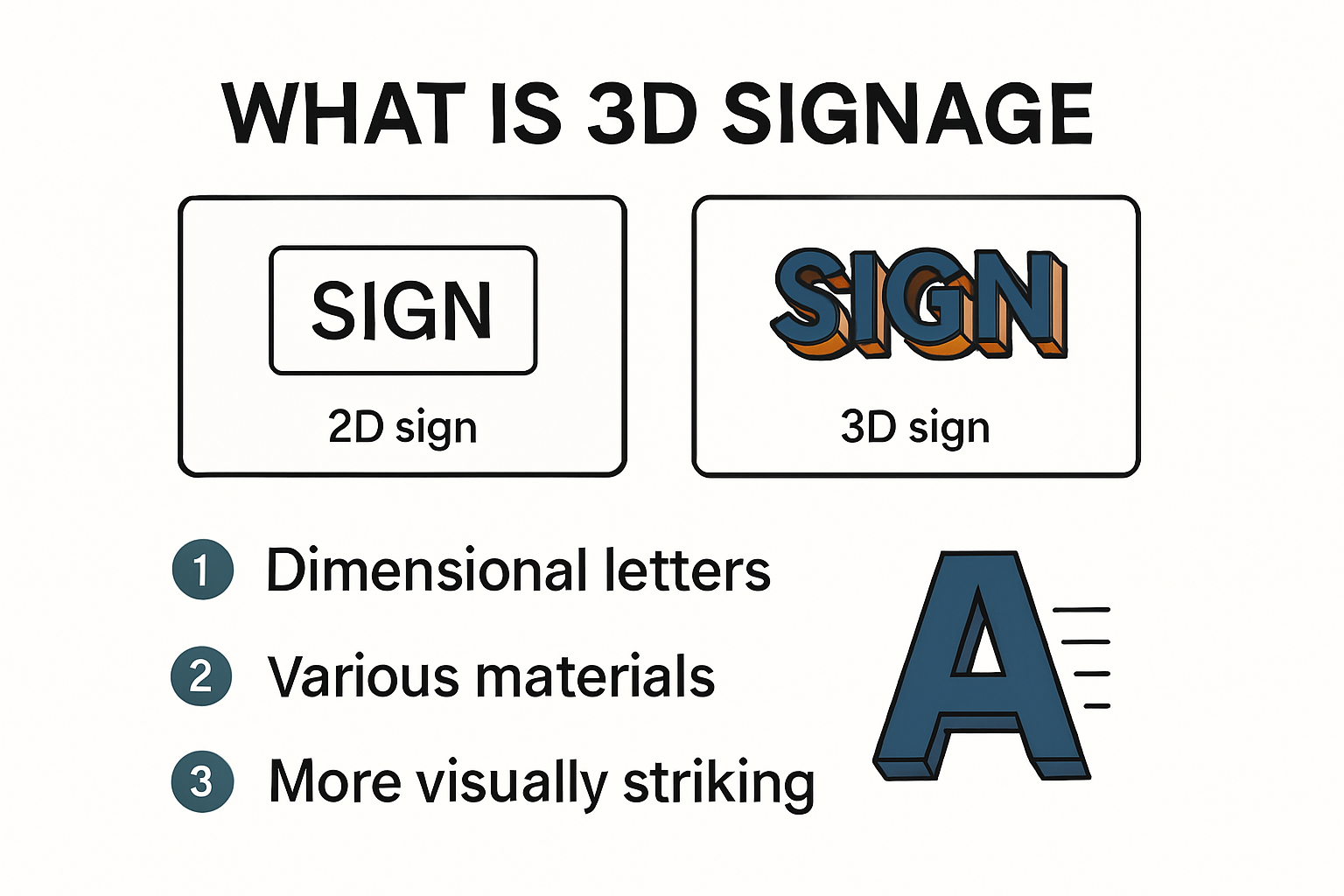
3D signage transforms traditional flat graphics into dynamic, multidimensional visual experiences that capture attention and communicate brand identity with remarkable depth and texture. Unlike standard two-dimensional signs, 3D signage creates physical layers and shadows that make graphics literally stand out from their background.
Materials That Define 3D Signage
The choice of materials dramatically influences the visual impact and durability of 3D signage. According to research on signage trends, businesses are increasingly selecting sustainable and innovative materials that not only look impressive but also align with environmental consciousness.
Key materials used in 3D signage include:
-
Acrylic: Offers crystal-clear transparency and can be laser-cut with precision, creating sleek and modern designs that work brilliantly for contemporary brand presentations.
-
Aluminum: Provides exceptional durability and a professional metallic finish, ideal for exterior signage that must withstand varying weather conditions.
-
Recycled Metals: Explore our guide on custom 3D signs for businesses seeking eco-friendly options that demonstrate corporate social responsibility.
-
Wood: Brings warmth and natural texture, perfect for businesses wanting to create a more organic and inviting visual presence.
Innovative 3D Signage Styles
Modern 3D signage goes far beyond simple raised lettering. Contemporary styles incorporate sophisticated techniques that transform signs from mere informational tools into genuine artistic statements. According to image360.com, current trends emphasize layered designs that create depth through strategic positioning and innovative illumination.
Popular 3D signage styles include:
-
Floating Letters: Creating an illusion of letters suspended in space, using minimal mounting hardware to achieve a dramatic visual effect.
-
Illuminated 3D Signs: Integrating LED or backlighting to enhance visibility and create stunning nighttime presentations that draw immediate attention.
-
Multi-Layer Dimensional Signs: Combining different materials and depths to create complex, visually engaging graphics that tell a brand’s story through sophisticated design.
For businesses and event organisers, 3D signage represents more than just a wayfinding tool. It is a powerful communication medium that communicates professionalism, creativity, and attention to detail. Whether mounted on a storefront, displayed at an exhibition, or used within an office environment, these signs transform spaces and create memorable visual experiences that leave lasting impressions on viewers.
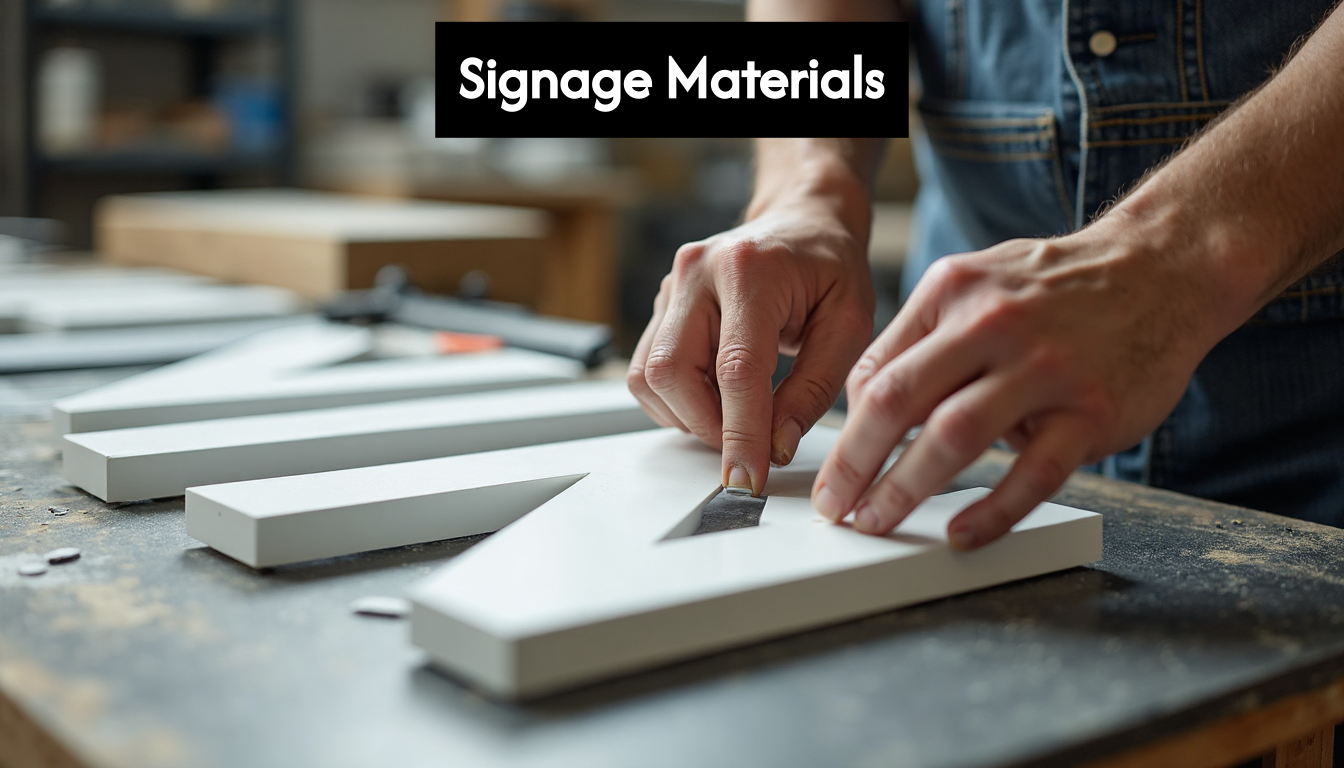
By carefully selecting materials and styles that align with brand identity, organisations can leverage 3D signage as a strategic design element that goes far beyond traditional two-dimensional graphics.
Key Benefits for London Businesses and Venues
3D signage offers London businesses and venues a powerful marketing tool that goes beyond traditional communication methods. By creating visually striking and memorable brand representations, these dimensional signs provide significant advantages in competitive urban environments.
Enhanced Brand Visibility and Recognition
In a bustling metropolitan setting like London, standing out is crucial for business success. According to research from Signs and LEDs, 3D signage significantly enhances brand visibility by creating visual depth that captures attention far more effectively than flat, two-dimensional signs. Learn more about maximizing brand impact through strategic signage design.
Businesses benefit from 3D signage through:
-
Immediate Visual Impact: Raised lettering and dimensional graphics create an instant focal point for potential customers.
-
Memorable Brand Presentation: Three-dimensional signs leave a lasting impression, helping businesses differentiate themselves in crowded market spaces.
-
Professional Aesthetic: High-quality 3D signage communicates a sense of professionalism and attention to detail.
Versatility Across Business Environments
The adaptability of 3D signage makes it an exceptional solution for various London business contexts. From retail storefronts to corporate offices, exhibition spaces to hospitality venues, these signs offer unparalleled flexibility. Hyper Creative research highlights that 3D signs create a larger visual impact, particularly effective in high-traffic areas where capturing public attention is critical.
Venues can leverage 3D signage in multiple settings:
-
Retail Spaces: Create compelling window displays and interior branding that draws customers inside.
-
Corporate Environments: Establish a professional and sophisticated office atmosphere with dimensional logos and directional signs.
-
Event Venues: Design dynamic wayfinding solutions and branded backdrops that enhance attendee experience.
Cost-Effective Marketing Strategy
Contrary to perception, 3D signage represents a strategic long-term investment for London businesses. The durability of materials like aluminum and acrylic ensures these signs maintain their visual appeal for extended periods, providing continuous brand exposure without frequent replacement.
Financial advantages include:
-
Reduced Ongoing Marketing Costs: A single high-quality 3D sign offers continuous brand visibility.
-
Customization Options: Businesses can create signs that precisely match their brand identity without recurring expenses.
-
Multi-Purpose Functionality: Signs that serve both decorative and informational purposes, maximizing marketing investment.
For London businesses and venues seeking to elevate their brand presence, 3D signage offers a sophisticated, impactful solution. By combining visual intrigue with practical communication, these signs transform ordinary spaces into extraordinary brand experiences that resonate with customers and create lasting impressions.
Choosing the Right 3D Signage for Your Project
Selecting the optimal 3D signage requires careful consideration of multiple factors that extend beyond aesthetic appeal. The right sign can transform a business’s visual communication, creating a powerful first impression that resonates with target audiences.
Material Selection and Design Considerations
Material choice is fundamental in 3D signage design. According to research from Craftsmen Industries, design decisions should carefully evaluate font type, letter size, color, finish, and material characteristics. Explore our guide on custom sign solutions to understand how material selection impacts overall signage effectiveness.
Key material options include:
-
Stainless Steel: Offers a modern, professional appearance with exceptional durability and corrosion resistance.
-
Aluminum: Provides a lightweight solution with excellent powder coating options for weather resistance.
-
Acrylic: Delivers versatility and outstanding illumination potential, perfect for businesses seeking dynamic visual presentations.
-
Brass: Creates a vintage, high-end aesthetic ideal for premium brand positioning.
Installation and Environmental Factors
Eisbrecher World research highlights the critical importance of considering installation environment and specific project requirements. Lightweight materials like aluminum and acrylic are recommended for easier mounting, particularly for pin-mounted signs that require precise positioning.
Environmental considerations include:
-
Indoor vs Outdoor Use: Different materials perform differently under varying weather conditions.
-
Lighting Conditions: Some materials, such as acrylic, offer exceptional illumination options, enhancing visibility and impact.
-
Structural Requirements: Weight, mounting surface, and building regulations must be carefully evaluated.
Customization and Brand Alignment
Ultimately, 3D signage should be a natural extension of your brand identity. Businesses must consider how the sign’s design, material, and placement communicate their unique brand story. Advanced customization options now include:
-
LED Backlighting: Creates dramatic visual effects and improves visibility during day and night.
-
Dimensional Layering: Adds depth and sophistication to brand messaging.
-
Custom Color Matching: Ensures perfect alignment with existing brand color palettes.
Choosing the right 3D signage is a strategic decision that combines technical considerations with creative vision. By carefully balancing material properties, design elements, and brand identity, businesses can create signage that not only captures attention but also communicates their core values effectively.
Professional consultation can help navigate these complex decisions, ensuring your 3D signage becomes a powerful marketing tool that stands out in competitive environments.
3D Signage Trends for 2025 in London
The 3D signage landscape in London is undergoing a transformative evolution, driven by technological innovation, sustainability concerns, and changing business communication strategies. As we approach 2025, emerging trends are reshaping how businesses and venues approach visual branding and communication.
Sustainability and Eco-Conscious Design
Research from Astley UK highlights a significant shift towards environmentally responsible signage solutions. Businesses are increasingly prioritizing sustainable materials and production methods. Explore our innovative signage options that align with modern environmental standards.
Key sustainable trends include:
-
Recycled Material Integration: Using reclaimed wood, recycled metals, and eco-friendly plastics to create visually stunning signs.
-
Energy-Efficient Manufacturing: Implementing AI-optimized production processes to minimize waste and reduce carbon footprint.
-
Circular Design Principles: Creating signage that can be easily recycled or repurposed at the end of its lifecycle.
Digital and Interactive Technologies
According to Project Consult research, digital integration is revolutionizing 3D signage. Interactive technologies are transforming static signs into dynamic communication platforms that engage customers in unprecedented ways.
Cutting-edge technological trends include:
-
Augmented Reality (AR) Integration: Signs that come to life through smartphone interactions, providing additional information and immersive experiences.
-
QR Code Embedding: Seamless digital connectivity that bridges physical signage with online content and interactive experiences.
-
Smart LED Technologies: Adaptive lighting systems that change based on time of day, weather conditions, or specific events.
Customization and Personalization
The future of 3D signage in London is deeply personal. Businesses are moving beyond one-size-fits-all approaches, leveraging advanced technologies to create highly customized and context-specific signage solutions. Immersive visualization technologies now allow businesses to prototype and visualize signs in virtual environments before production.
Personalization trends include:
-
AI-Driven Design: Machine learning algorithms that help create optimized sign designs tailored to specific brand identities.
-
Modular Sign Systems: Flexible design approaches that allow for easy updates and modifications.
-
Hyper-Local Customization: Signs that reflect local cultural nuances and neighborhood-specific aesthetics.
These emerging trends demonstrate that 3D signage in London is no longer just about marking a location. It has become a sophisticated communication tool that combines aesthetics, technology, sustainability, and brand storytelling. As businesses continue to seek innovative ways to stand out in a competitive market, 3D signage will play an increasingly crucial role in creating memorable visual experiences.
The convergence of design, technology, and sustainability is setting new standards for how businesses communicate their brand identity through physical signage. London’s businesses are at the forefront of this exciting transformation, embracing solutions that are not just visually striking but also environmentally responsible and technologically advanced.
Frequently Asked Questions
What is 3D signage?
3D signage refers to dimensional signs that create a three-dimensional effect, making them visually striking and attention-grabbing. Unlike traditional flat signs, 3D signage incorporates physical layers and textures, enhancing brand visibility and communication.
What materials are commonly used for 3D signage?
Common materials for 3D signage include acrylic, aluminum, recycled metals, and wood. Each material offers unique benefits, such as durability, visual appeal, and alignment with sustainability practices.
How does 3D signage benefit businesses in London?
3D signage enhances brand visibility, creates memorable impressions, and provides versatility across various business environments. It’s an effective marketing strategy that can reduce long-term costs by increasing customer recall and engagement.
What are the current trends in 3D signage for 2025?
Key trends in 3D signage for 2025 include sustainability through eco-friendly materials, integration of digital technologies like AR and QR codes, and increased customization options that resonate with local culture and identity.
Reinvent Your Brand Presence with Stunning 3D Signage in London
Trying to cut through the noise on London’s busy streets? Ordinary signs get lost fast, but 3D signage stands out, creating the striking impact and customer recall discussed in the article. Many London businesses struggle with flat, forgettable branding, while new demands for eco-conscious materials and digital integration demand a smarter solution. Whether you seek eye-catching illuminated designs, advanced personalisation, or sustainable materials, your next signage project deserves expert guidance and flawless execution.

Bring your vision to life with PromoSigns, the specialists in custom 3D and illuminated shop signs. Our team manages the entire process from design through to installation, delivering eye-catching results for businesses and events across London, Essex, and Kent. Ready to make your brand truly unforgettable? Contact us today for a free consultation and start turning heads with premium 3D signage. Act now to secure your space and see your ideas realised sooner.
Recommended Articles
- 3D Signs London | 3D Built-Up Letters for Your Business in the UK
- Benefits of Custom 3D Signs for Retail and Commercial Spaces
- What Are 3D Letter Signs and Why Are They Popular?
