
Launching a major project can rise or fall on details, and signage is one detail that makes a powerful difference for any british business. Studies show that creative signage can increase event engagement by up to 50 percent, capturing attention when it matters most. With launch moments setting the tone for brand perception, understanding the essentials of project launch signage ensures your new initiative not only gets noticed but leaves a lasting, professional impression.
Table of Contents
Table of Contents
- Defining Signage For Project Launches
- Types Of Signs For Launch Events
- Design And Material Considerations
- Installation, Compliance And Safety Rules
- Budgeting, Timelines, And Cost Factors
- Common Pitfalls And Mistakes To Avoid
Key Takeaways
| Point | Details |
|---|---|
| Effective Signage Enhances Engagement | Strategic signage captures attention and communicates essential messages during project launches, creating memorable experiences. |
| Diverse Sign Types for Impact | Different types of signage, such as welcome banners and informational displays, serve unique purposes to enhance the overall event experience. |
| Design and Material are Crucial | Careful selection of design elements and durable materials is vital for impactful signage that aligns with brand identity. |
| Compliance and Planning are Essential | Businesses must understand installation, compliance, and safety regulations to ensure effective and safe signage implementation. |
Defining Signage for Project Launches
Signage for project launches represents a strategic visual communication tool designed to capture attention, convey essential information, and create memorable brand experiences during critical business moments. Unlike standard signage, project launch signs are specifically crafted to generate excitement, communicate key messages, and establish a professional narrative around a new initiative or product.
According to Rise Vision, creative and strategic signage plays a pivotal role in attracting audience attention and effectively communicating core messages. In project launches, this translates to designing signs that not only inform but also engage and inspire potential stakeholders, clients, and team members.
Effective project launch signage typically encompasses several key elements:
- Visual Impact: Bold graphics and design that immediately draw the eye
- Clear Messaging: Concise, compelling text that communicates the project’s core purpose
- Brand Consistency: Design elements that align with the company’s visual identity
- Strategic Placement: Signs positioned to maximize visibility and audience engagement
Whether launching a new product, announcing a significant business milestone, or introducing an innovative service, planning a signage project requires careful consideration of your specific communication objectives. The right signage can transform a standard launch into a memorable, impactful event that resonates with your target audience and sets the tone for future success.
Types of Signs for Launch Events
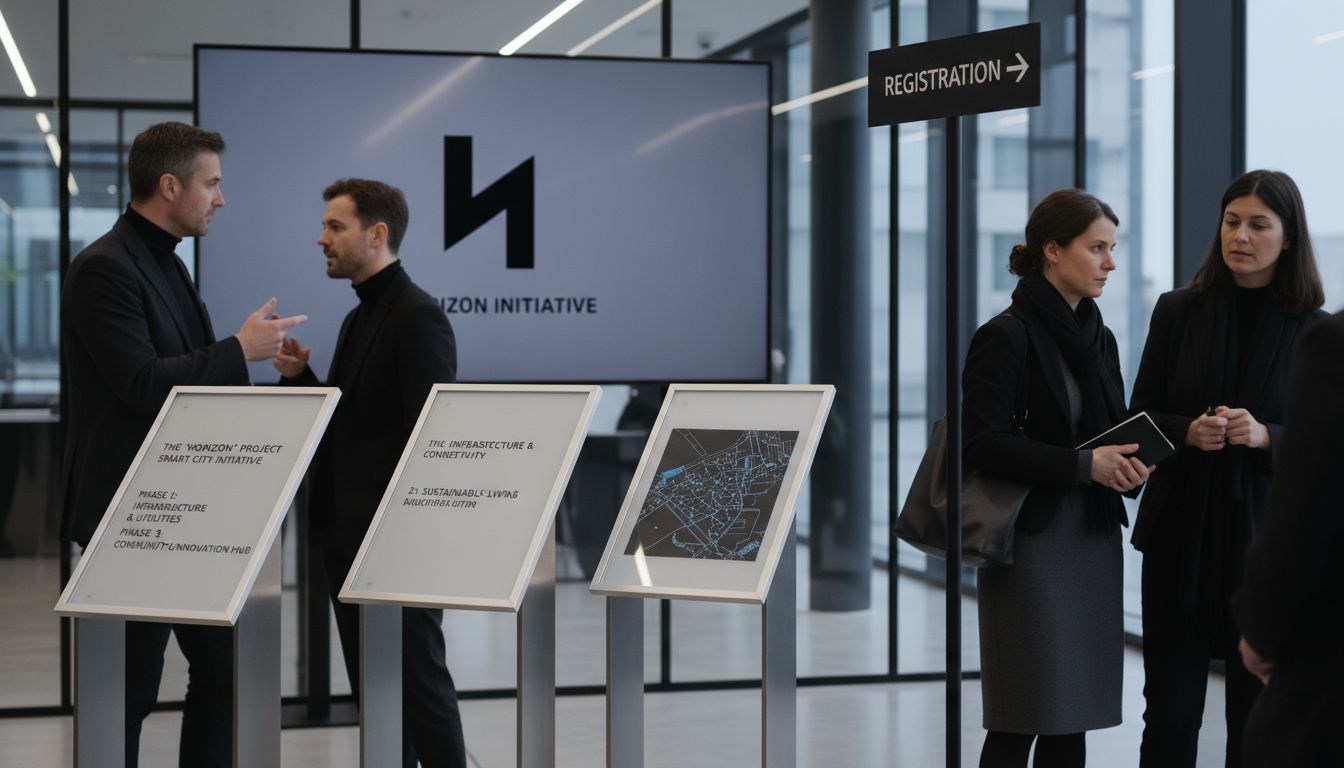
Launch event signage is a diverse and strategic communication toolkit designed to create maximum impact during pivotal business moments. Each sign type serves a unique purpose, transforming a standard event into an immersive, memorable experience that communicates your brand’s narrative and project vision.
Companies can leverage several essential sign types during launch events:
- Welcome Banners: Large-format signs that greet attendees and set the event’s tone
- Directional Signage: Guiding participants through event spaces and highlighting key areas
- Informational Displays: Detailed panels explaining project specifics, mission, and objectives
The primary categories of launch event signage include:
- Exterior Signage
- Building-mounted signs announcing the event
- Street-level banners and flags
- Wayfinding markers for external navigation
- Interior Signage
- Stage backdrops and presentation backgrounds
- Branded podium signs
- Interactive digital displays
- Promotional Signage
- Product showcase displays
- Key milestone and achievement boards
- Media wall backgrounds for press interactions
For businesses seeking comprehensive guidance, event signage best practices can help craft a cohesive visual strategy that transforms a launch event from ordinary to extraordinary. Strategic signage isn’t just about information—it’s about creating an immersive brand experience that resonates with your audience and leaves a lasting impression.
Design and Material Considerations
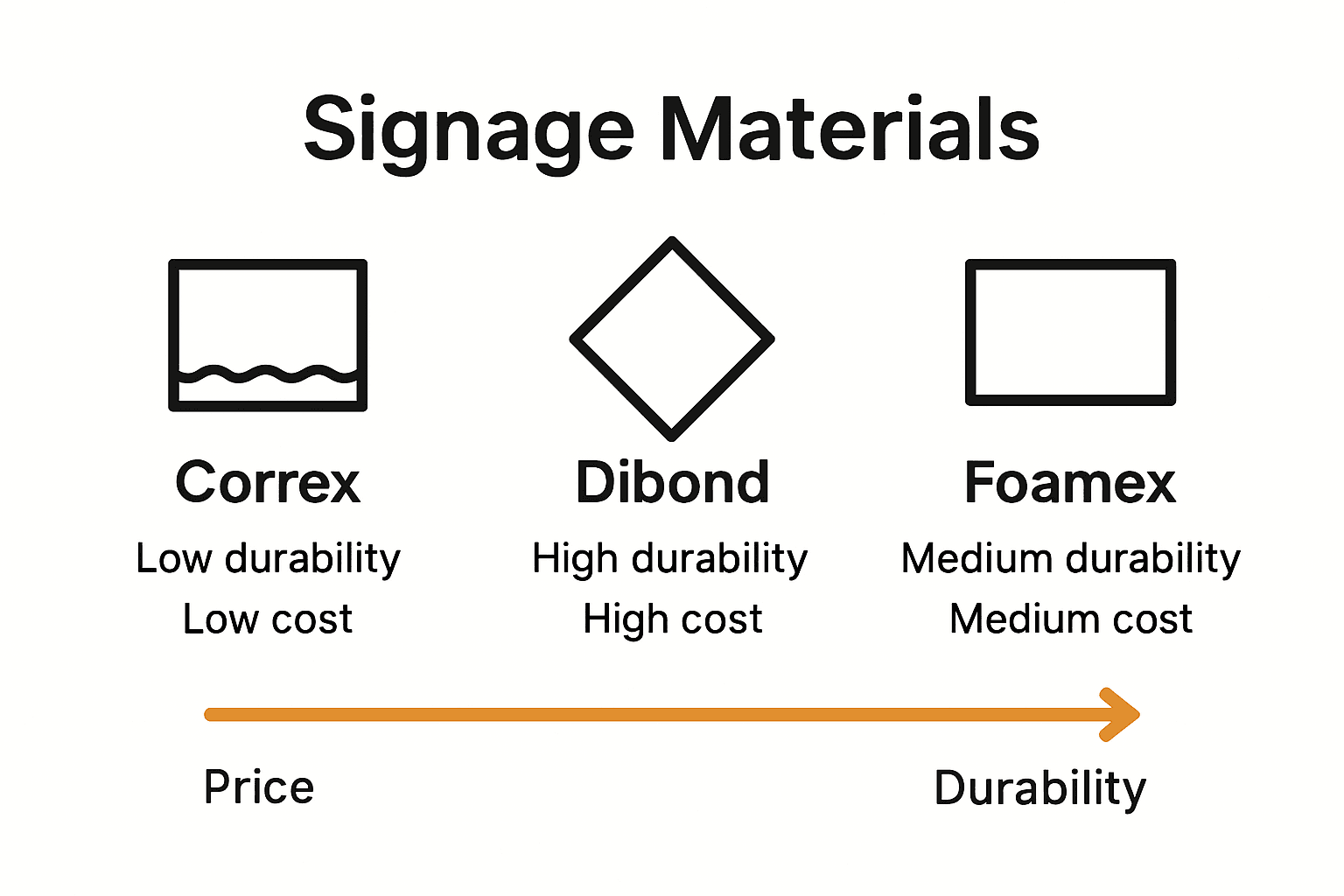
Project launch signage requires meticulous design and material selection to create a lasting visual impact. The right combination of design elements and materials can transform a simple sign into a powerful communication tool that captures attention and reinforces brand messaging.
According to PK Green, successful event signage demands careful consideration of durability, customization, and visual appeal. This means selecting materials that not only look impressive but can withstand the dynamic environment of a launch event while maintaining the brand’s aesthetic integrity.
Key design and material considerations include:
- Material Selection
- Durability: Choose materials that can withstand event conditions
- Aesthetic Quality: Align materials with brand identity
- Cost-effectiveness: Balance quality with budget constraints
- Design Principles
- Color Psychology: Use colors that evoke desired emotional responses
- Typography: Select fonts that reflect brand personality
- Visual Hierarchy: Create clear, engaging visual communication
- Practical Considerations
- Lighting: Incorporate illumination for enhanced visibility
- Scalability: Design signs that work across different event spaces
- Sustainability: Consider eco-friendly material options
When exploring comprehensive material insights, understanding materials for shop signs can provide additional depth to your signage strategy. Ultimately, the most effective launch event signs seamlessly blend technical considerations with creative design, creating a memorable visual experience that tells your brand’s unique story.
Installation, Compliance and Safety Rules
Project launch signage requires a comprehensive understanding of installation protocols, legal compliance, and safety standards to ensure both effective communication and risk mitigation. Businesses must navigate a complex landscape of regulatory requirements that govern the placement, design, and implementation of event signage.
According to Transport for London, comprehensive guidelines exist for designing, building, installing, and decommissioning temporary event signage. These standards emphasize the critical importance of following systematic methodologies that protect both event participants and public spaces.
Key compliance and safety considerations include:
- Installation Requirements
- Structural Integrity: Ensure signs can withstand environmental conditions
- Mounting Standards: Follow precise installation guidelines
- Load-bearing Capacity: Verify support structures and attachment points
- Regulatory Compliance
- Local Permissions: Obtain necessary event and placement approvals
- Height and Placement Restrictions: Adhere to municipal guidelines
- Accessibility Standards: Ensure signs do not obstruct public pathways
- Safety Protocols
- Material Safety: Use fire-resistant and non-toxic materials
- Electrical Compliance: Follow standards for illuminated signage
- Emergency Visibility: Maintain clear sightlines for safety signage
For businesses seeking comprehensive guidance on navigating complex regulatory landscapes, signage compliance guides for UK businesses offer invaluable insights. Ultimately, successful project launch signage balances creative expression with meticulous attention to safety and legal requirements.
Budgeting, Timelines, and Cost Factors
Project launch signage represents a strategic investment that requires careful financial planning and precise timeline management. Businesses must balance creative vision with budgetary constraints to create impactful visual communication that delivers maximum return on investment.
According to Rise Vision, effective event signage planning demands early strategic considerations to manage costs efficiently. This approach involves selecting appropriate sign types, understanding production timelines, and allocating resources strategically to achieve optimal results without unnecessary financial strain.
Key budgeting and timeline considerations include:
- Cost Breakdown
- Material Expenses: Select cost-effective yet high-quality materials
- Design Costs: Factor in professional design and conceptualization
- Production Fees: Consider manufacturing and printing expenses
- Timeline Planning
- Initial Concept Development: 2-3 weeks
- Design Refinement: 1-2 weeks
- Production: 1-3 weeks depending on complexity
- Installation: 1-2 days
- Budget Optimization Strategies
- Bulk Production Discounts: Negotiate pricing for multiple sign types
- Reusable Design Elements: Create modular signage for future events
- Digital Design Tools: Reduce design iteration costs
Businesses seeking comprehensive financial insights can explore planning a signage project for additional strategic guidance. Ultimately, successful project launch signage requires a delicate balance between creative ambition and fiscal responsibility.
Common Pitfalls and Mistakes to Avoid
Project launch signage can quickly derail without careful planning and strategic execution. Businesses often encounter numerous challenges that can compromise the effectiveness of their visual communication, turning what should be a powerful branding opportunity into a potential missed connection with their audience.
The most critical mistakes typically emerge from overlooking fundamental design and strategic considerations. These errors can range from minor aesthetic missteps to significant functional failures that undermine the entire launch event’s communication strategy.
Common pitfalls to be aware of include:
- Design-Related Mistakes
- Overcrowded Visuals: Cramming too much information into limited space
- Inconsistent Branding: Misaligning signage with core brand identity
- Poor Color Choices: Using colors that clash or reduce readability
- Technical Implementation Errors
- Incorrect Measurements: Signs that don’t fit designated spaces
- Inadequate Mounting: Unstable or unsafe sign installations
- Lighting Miscalculations: Improper illumination that reduces visibility
- Strategic Planning Failures
- Last-Minute Designs: Rushing without proper conceptualization
- Budget Underestimation: Failing to account for comprehensive costs
- Ignoring Venue Restrictions: Overlooking local signage regulations
Businesses seeking to avoid these common mistakes can find comprehensive guidance in how to choose signage for London businesses, which offers insights into navigating potential pitfalls. Remember, successful project launch signage is about creating a seamless, professional visual experience that communicates your brand’s essence with clarity and impact.
Elevate Your Project Launch with Expert Signage Solutions
Launching a project demands signage that not only captures attention but also aligns perfectly with your brand identity and event objectives. The challenges highlighted in the guide such as design precision, strategic placement, and regulatory compliance can make or break your event’s impact. Avoid common pitfalls like overcrowded visuals and poor colour choices by partnering with a signage company that understands these critical nuances.
At Promo Signs, we specialise in creating bespoke signage tailored to your project launch needs across London, Essex, and Kent. Whether you require illuminated signs, large format printing, or expertly crafted shop signs, our experienced team ensures your signs are durable, visually striking, and compliant with all safety standards. Discover how careful planning and professional execution can transform your launch event into a memorable brand experience.
Ready to get started on signage that delivers results from day one

Explore our comprehensive services at Promo Signs and learn more about planning a signage project to make your project launch a standout success today.
Frequently Asked Questions
What are the key elements of effective project launch signage?
Effective project launch signage typically includes bold visuals for visual impact, clear messaging to communicate the project’s core purpose, brand consistency to align with the company’s identity, and strategic placement to maximise visibility and audience engagement.
How can I ensure my signage complies with local regulations?
To ensure compliance, businesses must obtain necessary approvals for sign placement, adhere to height and placement restrictions, and follow accessibility standards to avoid obstructing public pathways.
What materials are best suited for project launch signage?
The best materials for project launch signage should be durable to withstand event conditions, align aesthetically with the brand identity, and be cost-effective to balance quality and budget constraints.
What common mistakes should I avoid when planning signage for a project launch?
Common mistakes include overcrowding visuals with too much information, inconsistent branding, incorrect measurements leading to poor fit, and inadequate mounting of signage, which can jeopardise the effectiveness of the launch event.
Recommended
- Planning a Signage Project: Elevate Your Business Identity – PromoSigns.co.uk
- What is a Projecting Sign? Guide for UK Businesses 2025 – PromoSigns.co.uk
- Projecting Sign Benefits for London Businesses in 2025 – PromoSigns.co.uk
- A Step-by-Step Guide to Professional Commercial Sign Installation – PromoSigns.co.uk
- How to Launch a Product: Step-by-Step for Maximum Impact | Prodcast
- BillBoard Marketing – Case Quota
