
TL;DR:
- Outdoor signage longevity depends on material selection, installation quality, and ongoing maintenance. Aluminium and Dibond offer durability for UK outdoor signs, with lifespans exceeding ten years, especially in harsh environments near coasts. Proper installation and routine upkeep are essential to prevent early failure caused by weather, pollution, or physical damage.
The durability of outdoor signage is defined by three factors: material choice, installation quality, and ongoing maintenance. For businesses and event organisers, getting this combination right determines whether a sign lasts one season or a decade. The UK’s variable climate, from coastal salt air to urban pollution and heavy rainfall, places real stress on exterior signs. Understanding how to select the right materials and care for them properly protects your brand investment and keeps your signage compliant with legal safety obligations under the Health and Safety at Work Act 1974.
Table of Contents
What materials provide the best durability for outdoor signage?
Material selection is the single biggest decision affecting the longevity of outdoor signs. The wrong substrate in the wrong environment leads to warping, fading, and structural failure well before a sign reaches the end of its intended life. The right choice, matched to your location and usage, can deliver a decade or more of reliable performance.
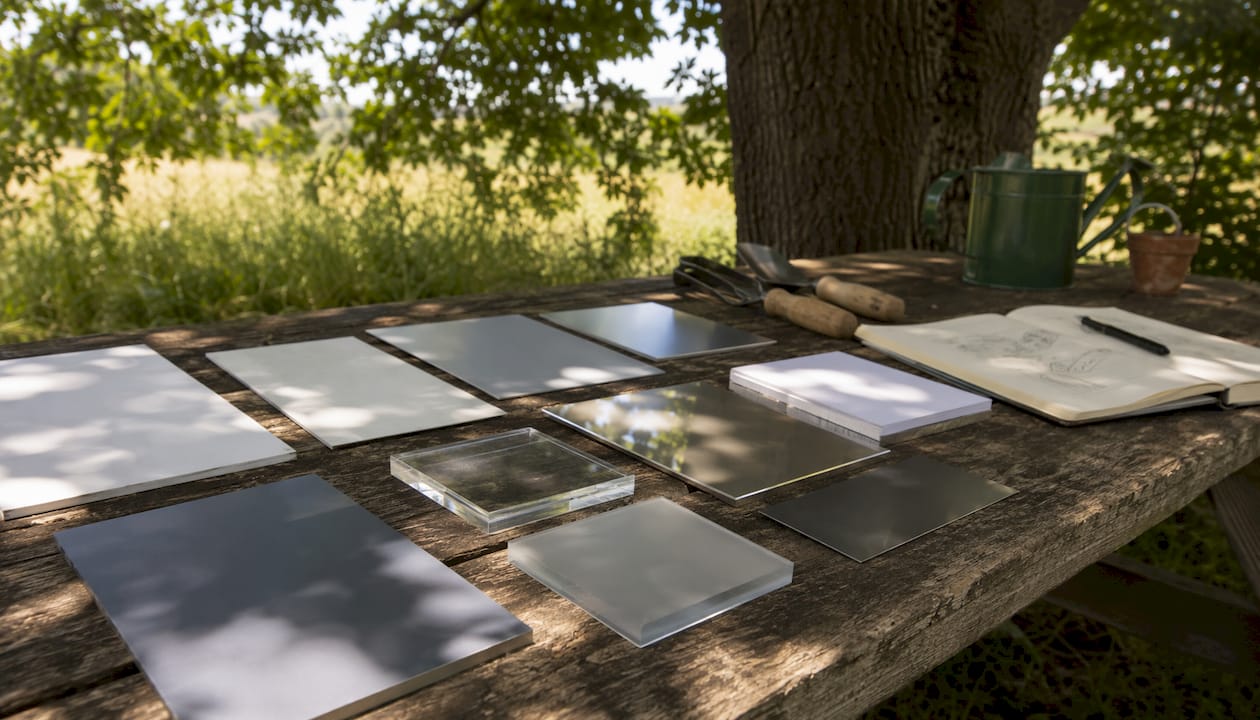
Aluminium and Dibond are the two strongest performers for long-term outdoor use in the UK. Aluminium resists corrosion, handles temperature swings without warping, and typically lasts over 10 years in UK conditions. Dibond, a composite of two aluminium sheets bonded to a polyethylene core, offers similar weather resistance with a lifespan of 5–10 years or more. Both materials suit permanent fascia signs, hoardings, and building-mounted displays where longevity is the priority.
Acrylic is a popular choice for illuminated signs and 3D lettering. It holds colour well and resists UV degradation better than many plastics, though it can crack under repeated impact. Foamex, a rigid PVC foam board, works well for semi-permanent outdoor displays where a lighter substrate is needed. Correx, the fluted polypropylene board familiar from estate agent signs and construction hoardings, is the right choice for short-term use only. It degrades quickly under sustained UV exposure and is not suited to permanent installation.
| Material | Typical lifespan | Best use case | Key strength |
|---|---|---|---|
| Aluminium | 10+ years | Permanent fascia, hoardings | Corrosion resistance, rigidity |
| Dibond | 5–10+ years | Shop fronts, building signs | Lightweight, weather resistant |
| Acrylic | 5–8 years | Illuminated signs, 3D letters | Colour retention, UV stability |
| Foamex | 2–5 years | Semi-permanent displays | Lightweight, cost-effective |
| Correx | Up to 1 year | Temporary event signage | Low cost, easy to install |
The right material for your sign depends on how long you need it to last, where it will be installed, and the environmental conditions it will face. A coastal restaurant needs different substrates to a sheltered office reception sign.
Pro Tip: If your site sits within 5 miles of the coast, specify marine-grade finishes and sealed edges as standard. Salt air accelerates corrosion on standard aluminium fixings and attacks unprotected edges far faster than inland conditions.
How do environmental factors affect outdoor signage durability?
The UK does not have a single climate. It has dozens of microclimates, and each one places different demands on exterior signs. A sign that performs well in a sheltered London street may fail within two years on a windswept seafront in Kent.
The main environmental stressors that reduce the lifespan of outdoor signs are:
- Rainfall and moisture ingress. The UK averages significant annual rainfall across most regions. Water that enters through unsealed edges or poorly drilled fixings causes delamination, rust, and mould growth behind sign faces.
- UV radiation. Even in the UK’s relatively low-sunshine climate, UV exposure breaks down pigments and protective coatings over time. Vinyl graphics are particularly vulnerable without a UV-resistant laminate.
- Wind loading. High-wind locations, including rooftops, exposed car parks, and coastal sites, require signs engineered to handle lateral force. Undersized fixings fail under sustained wind pressure.
- Temperature fluctuation. UK temperatures swing between freezing winters and warm summers. Materials expand and contract with temperature changes. Signs installed without allowance for thermal movement develop stress cracks and loose fixings over time.
- Pollution and airborne contaminants. Urban locations accumulate diesel particulates, grime, and chemical deposits on sign surfaces. These contaminants attack protective coatings and accelerate surface degradation.
Coastal and high-rainfall areas require weatherproof signs with sealed edges and marine-grade finishes to combat moisture damage. Salt air corrodes standard steel fixings within months. Raised fixings that allow airflow behind a sign panel prevent moisture from pooling and causing delamination from the rear face.
Urban sites face a different challenge. Pollution deposits build up faster than in rural locations, and the chemical composition of urban grime is more aggressive. Signs in city centres need more frequent cleaning and benefit from anti-graffiti coatings that make surfaces easier to maintain.
What are the essential maintenance practices for extending outdoor signage lifespan?
Proactive maintenance is the most cost-effective way to extend the life of any exterior sign. Neglected signage develops minor defects that expand into structural problems. Routine inspections catch issues early before a small repair becomes a full replacement.
A practical maintenance schedule for outdoor signs follows these steps:
- Monthly visual safety inspection. Walk around the sign and check for loose fixings, visible cracks, peeling graphics, and any signs of moisture ingress. Businesses must conduct monthly safety inspections to comply with the Health and Safety at Work Act 1974. This is a legal obligation, not optional.
- Biannual full clean. Clean the sign face, fixings, and any illuminated elements at least twice a year. Experts recommend at least 2 full cleans annually to prevent contaminant build-up from attacking protective coatings.
- Post-storm check. After any significant weather event, inspect fixings and structural mounts for movement or damage. Wind loading during storms is the most common cause of sudden sign failure.
- Annual professional inspection. Have a qualified signage professional assess the structural integrity of fixings, electrical connections on illuminated signs, and the condition of sealants. This is particularly important for large-format or high-mounted signs.
- Protective treatment renewal. Anti-UV laminates and protective coatings degrade over time. Renew surface treatments every 3–5 years depending on environmental exposure and the original specification.
Salt, grime, and bird droppings accelerate degradation by attacking protective layers directly. Cleaning is not simply about appearance. It is a preservation activity that extends the functional life of the sign substrate and graphics.
For illuminated signs, maintenance extends to the electrical components. Checking LED modules, drivers, and cable entry points for moisture ingress prevents both safety hazards and costly electrical failures. Promosigns provides a detailed resource on illuminated sign maintenance for businesses that want to protect their investment in lit signage.
Pro Tip: Never use abrasive cleaners or high-pressure jet washing on sign faces. Use a soft cloth, warm water, and a mild detergent. Abrasive products scratch protective coatings and accelerate UV damage to the substrate beneath.
How do installation and design choices influence outdoor signage durability?
Even the best materials fail prematurely when installed incorrectly. Installation quality and design decisions made before a sign goes up determine how well it performs over its full lifespan.
The key installation and design factors that affect sign longevity are:
- Corrosion-resistant fixings. Stainless steel fittings reduce corrosion risk significantly compared to standard steel or zinc-plated alternatives. In coastal or high-humidity environments, stainless steel fixings are the minimum specification.
- Sealed drilled holes. Any hole drilled through a sign panel or into a wall creates a potential entry point for water. Sealing every penetration with a compatible sealant prevents moisture ingress at the most common failure points.
- Design allowance for thermal expansion. Rigid sign panels expand and contract with temperature changes. Slotted fixing holes, rather than tight round holes, allow panels to move without cracking or pulling fixings loose.
- Sign placement to reduce exposure. Where possible, position signs to benefit from natural shelter. A sign mounted under a canopy or recessed into a fascia faces less direct rainfall and UV exposure than one fully exposed on a south-facing wall.
- Protective coatings and edge sealing. Factory-applied powder coatings on aluminium and sealed edges on composite panels prevent moisture from entering the substrate. Specifying these at the point of manufacture costs less than remedial treatment later.
- Weather-resistant illumination. LED modules rated to IP65 or higher handle rain and humidity without failure. Choosing the right illuminated signage options for outdoor use means specifying the correct ingress protection rating from the outset.
Good sign design also accounts for weatherproof outdoor sign principles from the start. Signs designed with drainage channels, ventilated cavities behind illuminated faces, and appropriate material thickness for their span perform measurably better than signs where these details were not considered.
What I have learned about durable signage after years in the industry
The most common mistake businesses make is treating signage as a one-off purchase rather than a managed asset. A sign installed without a maintenance plan will cost significantly more over its lifetime than one that receives regular attention. The upfront saving from skipping a professional inspection schedule is always outweighed by the cost of emergency replacement.
Material cost is another area where short-term thinking creates long-term expense. Correx and Foamex are inexpensive, and they are the right choice for temporary use. But I have seen businesses install them as permanent signs to save money, only to replace them twice in three years. Aluminium or Dibond costs more at the start. It costs far less over a decade.
The UK’s microclimate variation is genuinely underestimated. A business in Whitstable faces a completely different environment to one in central London, even though both are in the same county. Specifying the same sign for both locations without adjusting the material, fixings, and finish is a mistake that shows up within the first winter.
My strongest recommendation is to work with a signage professional who understands your specific location and can advise on material specification, installation method, and a realistic maintenance schedule. The businesses that get the most from their signage investment are the ones that treat it as a long-term asset from day one.
— Promo
Promosigns can help you get durable outdoor signage right
Choosing the right materials, installation method, and maintenance approach for your exterior signs is a decision that pays off for years. Promosigns designs, manufactures, and installs bespoke outdoor signage for retail, hospitality, and corporate clients across London, Essex, and Kent, with material specifications matched to your location and environment.

Whether you need a permanent shop sign in Barnet or a full fascia installation for a new site, Promosigns provides end-to-end guidance from material selection through to professional fitting. Our team advises on the right substrate, fixings, and protective finishes for your specific location, so your signage performs from day one and continues to represent your brand effectively for years to come. Contact Promosigns to discuss your outdoor signage requirements.
FAQ
What is the most durable material for outdoor signs in the UK?
Aluminium is the most durable material for permanent outdoor signage in the UK, with a typical lifespan exceeding 10 years. Dibond is a close alternative, offering similar weather resistance at a slightly lower weight.
How often should outdoor business signs be cleaned?
Businesses should clean outdoor signs at least twice a year and carry out monthly visual safety inspections. This schedule satisfies both maintenance best practice and obligations under the Health and Safety at Work Act 1974.
What causes outdoor signs to fade or deteriorate quickly?
UV radiation breaks down pigments and protective coatings, while salt, bird droppings, and pollution etch surface layers and trap moisture. Specifying UV-resistant laminates and cleaning signs regularly prevents the most common causes of premature deterioration.
Does installation quality affect how long an outdoor sign lasts?
Yes. Corrosion-resistant fixings, sealed drilled holes, and design allowances for thermal expansion all directly extend sign lifespan. Poor installation is one of the most common causes of early sign failure, regardless of material quality.
What is the difference between Correx and Dibond for outdoor use?
Correx is a lightweight fluted polypropylene suited only to temporary outdoor use, lasting up to one year. Dibond is a composite aluminium panel designed for long-term outdoor installation, with a lifespan of 5–10 years or more under UK conditions.
Recommended
- Weatherproof outdoor signs: the complete UK guide – PromoSigns.co.uk
- Durable sign materials: the complete UK buyer’s guide – PromoSigns.co.uk
- How to Light Outdoor Signs for Maximum Night-Time Impact – PromoSigns.co.uk
- Business Signage Lifespan: Maximising Your Investment – PromoSigns.co.uk
