
A well-kept shop sign can attract more foot traffic than any marketing poster and sets the tone for your entire business. Yet many shop owners overlook that faded, cracked, or weathered signage can lower sales by up to 30 percent, even if everything else is spotless. The real surprise is how a simple six-step maintenance routine can preserve your sign’s impact for years, often saving you thousands in needless replacements.
Table of Contents
- Step 1: Evaluate The Condition Of Your Shop Sign
- Visual And Structural Assessment Techniques
- Step 2: Gather Appropriate Cleaning Materials
- Essential Cleaning Kit Preparation
- Step 3: Clean Your Shop Sign Thoroughly
- Methodical Cleaning Approach
- Step 4: Inspect For Damage And Make Repairs
- Comprehensive Damage Assessment
- Step 5: Apply Protective Surface Treatments
- Strategic Surface Protection
- Step 6: Monitor And Schedule Regular Maintenance
- Structured Maintenance Documentation
Table of Contents
Quick Summary
| Key Point | Explanation |
|---|---|
| 1. Assess your shop sign’s condition regularly | Conduct visual and structural evaluations to identify damage early. Regular assessments prevent costly repairs in the future. |
| 2. Use appropriate cleaning materials | Select cleaning tools based on the sign’s material to avoid surface damage. Using the wrong cleaners can worsen wear and tear. |
| 3. Adopt a systematic cleaning approach | Clean from top to bottom, using pH-neutral solutions. This prevents streaks and protects the sign’s finish effectively. |
| 4. Inspect for damage post-cleaning | Check for wear or structural weakness after cleaning. Addressing issues promptly preserves the sign’s integrity and appearance. |
| 5. Establish a regular maintenance schedule | Create a maintenance calendar for inspections and cleanings. Consistent monitoring helps to prevent deterioration over time. |
Step 1: Evaluate the Condition of Your Shop Sign
Maintaining an attractive shop sign begins with a thorough and systematic evaluation of its current condition. Before implementing any maintenance strategies, you need to conduct a comprehensive visual and structural assessment that will reveal the sign’s overall health and potential repair needs.
Start by performing a detailed visual inspection during different times of the day. Natural daylight and evening illumination can expose different types of wear and damage that might not be immediately apparent. Look closely for signs of weathering, fading, cracking, or structural weakness. Pay special attention to the edges, mounting points, and any illuminated sections if your sign features lighting elements.
Visual and Structural Assessment Techniques
Begin with a methodical approach to examining your shop sign. Check for environmental damage such as UV degradation, which can cause colours to bleach and materials to become brittle. Inspect metallic components for rust or corrosion, particularly at joints and connection points. Examine painted or printed surfaces for peeling, chipping, or uneven colour distribution. Read our expert guide on maintaining shop sign quality for more detailed insights into professional sign evaluation.
For illuminated signs, test all electrical connections and light components. Look for flickering lights, dimming sections, or signs of electrical wear. Ensure that protective casings and seals remain intact to prevent moisture intrusion, which can cause significant damage to internal components.
Documenting your findings is crucial. Take clear, well-lit photographs from multiple angles, creating a comprehensive record of the sign’s current state. This documentation will serve as a baseline for tracking future deterioration and help you make informed decisions about necessary repairs or potential replacement. When a full replacement becomes necessary, our range of shop signs London covers every format and material, from illuminated fascias to flat panel displays.
By conducting a thorough initial evaluation, you set the foundation for effective shop sign maintenance and ensure your business continues to present a professional, appealing visual presence.
Step 2: Gather Appropriate Cleaning Materials
Preparing the right cleaning materials is a critical step in maintaining your shop sign’s appearance and longevity. Not all cleaning supplies are created equal, and using inappropriate materials can cause more harm than good. The goal is to select cleaning tools and solutions that will effectively remove dirt and grime without damaging the sign’s surface or compromising its structural integrity.
Start by understanding the specific material of your shop sign. Different surfaces require different cleaning approaches. For metal signs, you will need soft microfibre cloths, gentle non-abrasive cleaners, and potentially specialised metal polishing products. Plastic and acrylic signs demand softer cleaning techniques to prevent scratching or dulling of the surface. Explore our comprehensive guide on sign maintenance techniques for more detailed insights.
Essential Cleaning Kit Preparation
Your cleaning kit should include several key components to ensure a thorough and safe cleaning process. Recommended materials include:
- Soft microfibre cloths for gentle surface cleaning
- Mild, non-abrasive detergent specifically designed for sign surfaces
- Distilled water to prevent mineral deposit buildup
- Soft-bristled brushes for reaching intricate areas
- Protective gloves to maintain personal hygiene
- Ladder or safe climbing equipment for reaching higher signs
Avoid household cleaners with harsh chemicals like ammonia or bleach, which can cause significant damage to sign materials. Instead, opt for pH-neutral cleaning solutions that are gentle yet effective. Using non-abrasive cleaners applied with soft tools helps preserve the sign’s original finish and prevents unnecessary wear.
Before beginning the cleaning process, test your chosen cleaning solution on a small, inconspicuous area of the sign. This preliminary test will help you confirm the product’s compatibility and ensure it does not cause discolouration or damage. By carefully selecting and preparing your cleaning materials, you set the stage for a successful shop sign maintenance routine that will keep your business looking professional and attractive.
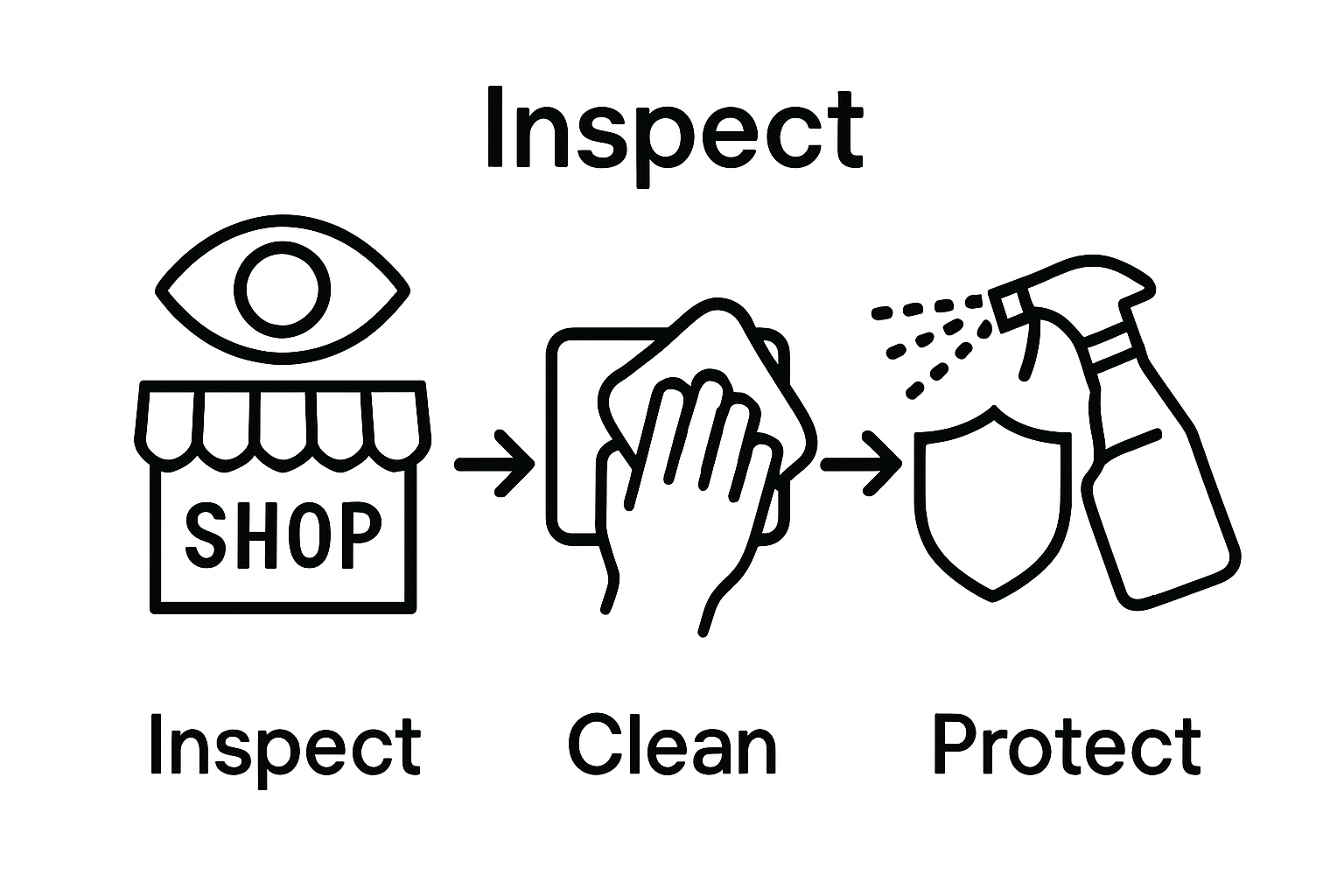
| Material/Tool | Primary Use | Key Notes |
|---|---|---|
| Microfibre cloths | Gentle surface cleaning | Prevents scratches; ideal for all materials |
| Mild, non-abrasive detergent | Cleaning sign surfaces | Should be pH-neutral; avoid harsh chemicals |
| Distilled water | Mixing with detergent; final rinsing | Prevents mineral deposits or streaks |
| Soft-bristled brush | Intricate detail or textured areas | Reaches crevices without damaging surface |
| Protective gloves | Personal hygiene during cleaning | Essential for handling cleaning agents |
| Ladder/safe climbing equipment | Accessing elevated signs | Ensures safe reach for thorough cleaning |
Step 3: Clean Your Shop Sign Thoroughly
Cleaning your shop sign is more than a cosmetic exercise — it is a crucial maintenance procedure that preserves the sign’s visual appeal and structural integrity. The cleaning process requires patience, precision, and a systematic approach to ensure you remove dirt and grime without causing any damage to the sign’s surface.
Begin by working from top to bottom, which prevents dirty water and cleaning solution from dripping onto already cleaned areas. Use your soft microfibre cloths and start with a gentle dry wipe to remove loose dust and debris. This initial step prevents potential scratching that could occur from dragging abrasive particles across the surface during wet cleaning.
Explore our professional maintenance strategies for additional insights into sign care.
Methodical Cleaning Approach
Prepare a cleaning solution using mild, pH-neutral detergent mixed with distilled water. Avoid tap water, which can leave mineral deposits that create unsightly streaks. It is critical to use non-abrasive cleaners that will not compromise the sign’s protective coating.
Dip your microfibre cloth into the solution, wringing it out thoroughly so it is damp but not dripping wet. Work in small sections, using gentle circular motions to lift dirt without applying excessive pressure. For stubborn grime, allow the cleaning solution to sit briefly before wiping, but avoid letting the liquid dry on the surface.
Pay special attention to corners, edges, and areas around mounting brackets where dirt tends to accumulate. If your sign has textured surfaces or intricate details, use a soft-bristled brush to carefully clean these areas. Rinse your cleaning cloth frequently to prevent redistributing dirt.
After cleaning, use a separate dry microfibre cloth to immediately dry the sign, preventing water spots and ensuring a streak-free finish. Check your work from multiple angles and in different lighting conditions to confirm thorough cleaning. By following these meticulous steps, you will maintain your shop sign’s professional appearance and extend its functional lifespan.
Step 4: Inspect for Damage and Make Repairs
After cleaning your shop sign, a comprehensive damage inspection becomes crucial to identifying potential structural or aesthetic issues that could compromise its effectiveness and appearance. This step requires a meticulous and systematic approach, examining every component of the sign for signs of wear, damage, or potential failure.
Begin your inspection by checking the sign’s mounting hardware and structural supports. Look for loose bolts, rust spots, or signs of metal fatigue that could indicate potential structural weakness. Pay close attention to connection points, as these areas are most susceptible to stress and environmental degradation.
Comprehensive Damage Assessment
Carefully examine the sign’s surface for various types of damage. Look for:
- Hairline cracks in plastic or acrylic surfaces
- Areas of paint chipping or peeling
- Discolouration or fading
- Corrosion on metal components
- Seal deterioration around illuminated sections
Periodic inspections are essential for maintaining sign integrity. For illuminated signs, test all electrical connections and lighting elements. Check for flickering lights, dimming sections, or exposed wiring that might pose safety risks.
Small repairs can often be addressed with specialized repair kits designed for specific sign materials. Plastic signs might require special adhesives, while metal signs could need targeted rust treatment or touch-up paint. For more extensive damage, consider professional restoration or complete sign replacement. If your foamex signs printing London boards are showing significant wear, a fresh reprint is often more cost-effective than repeated repairs.
Document your findings with detailed photographs and notes, creating a maintenance record that tracks the sign’s condition over time. This documentation helps you monitor progressive wear and make informed decisions about future maintenance or replacement.
| Type of Damage | Likely Cause | Recommended Solution |
|---|---|---|
| Fading/Discolouration | UV exposure, weathering | Apply UV-resistant protective treatment |
| Cracking/Peeling | Material fatigue, age | Minor repair with suitable adhesives or paints |
| Corrosion/Rust | Moisture, pollution | Treat with rust remover, apply clear coating |
| Loose Fixtures | Structural stress, wind | Tighten hardware; replace worn mounts |
| Flickering Lights | Electrical wear, moisture | Check connections; replace faulty components |
| Peeling Paint | Poor adhesion, ageing | Sand and repaint affected areas |
Step 5: Apply Protective Surface Treatments
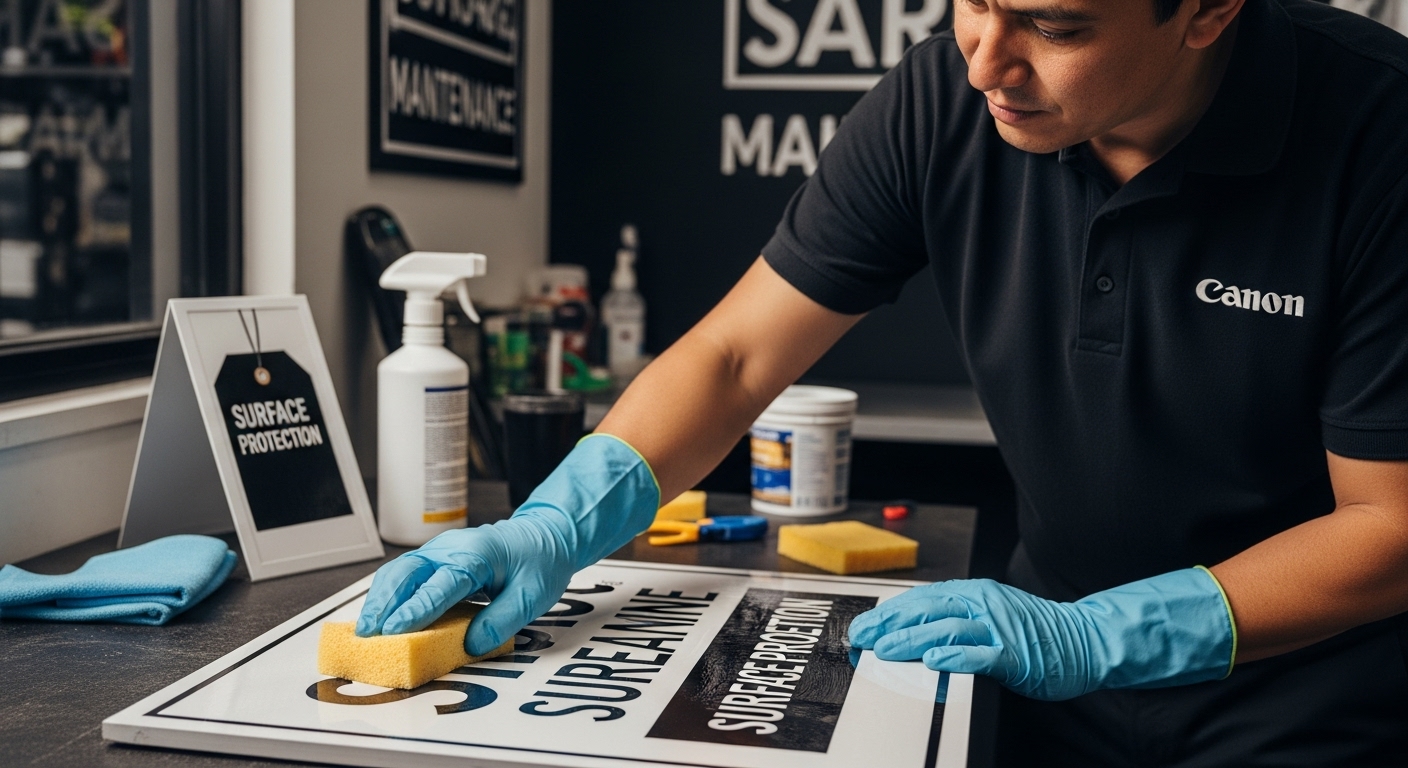
Applying protective surface treatments represents the final defensive layer in maintaining your shop sign’s durability and aesthetic appeal. This critical step shields your sign from environmental challenges such as UV radiation, moisture, temperature fluctuations, and potential corrosive elements that could compromise its structural integrity and visual presentation.
Before application, ensure the sign surface is completely clean and thoroughly dry. Any residual moisture or dirt can prevent the protective treatment from bonding correctly, reducing its effectiveness. Select a treatment specifically formulated for your sign’s material type — metal, plastic, wood, or composite materials each requires a unique protective approach.
Strategic Surface Protection
For metal signs, consider using corrosion-resistant clear coatings that create an invisible barrier against oxidation and environmental wear. These specialized treatments not only protect the underlying material but also help maintain the sign’s original colour and finish. Non-abrasive protective treatments are essential for long-term sign preservation.
Apply the protective treatment using smooth, consistent strokes with a high-quality foam applicator or microfibre cloth. Work in a well-ventilated area, wearing protective gloves and ensuring even coverage without pooling or streaking. Pay extra attention to edges, corners, and areas prone to moisture accumulation, as these spots are most vulnerable to potential damage.
For illuminated signs, take additional precautions around electrical components. Use protective sprays designed to be non-conductive and safe for electronic interfaces. Allow sufficient drying time between coats, following the manufacturer’s specific instructions for curing and reapplication.
After application, perform a visual inspection under different lighting conditions to confirm uniform coverage. By implementing these protective treatments, you create a robust defence mechanism that extends your shop sign’s lifespan, maintains its professional appearance, and demonstrates your commitment to presenting a polished business image. If surface treatments can no longer restore the sign’s quality, investing in large format printing London for replacement graphics is a straightforward and cost-effective solution.
Step 6: Monitor and Schedule Regular Maintenance
Establishing a systematic approach to monitoring and maintaining your shop sign transforms sporadic repairs into a proactive preservation strategy. Regular maintenance is not merely about addressing visible damage but preventing potential issues before they escalate into costly replacements. This ongoing process requires consistent attention, documentation, and a structured schedule tailored to your sign’s specific environmental exposures.
Create a maintenance calendar that outlines quarterly and annual inspection intervals. Different sign materials and locations will demand unique maintenance frequencies. Urban environments with high pollution or coastal areas with salt exposure might necessitate more frequent checks compared to sheltered locations. Learn more about comprehensive signage maintenance strategies for specialized insights.
Structured Maintenance Documentation
Develop a comprehensive maintenance log that tracks each inspection, cleaning, and repair. Consistent record-keeping is crucial for identifying patterns of wear and anticipating potential future maintenance requirements.
Your maintenance documentation should include:
- Date of inspection
- Detailed condition assessment
- Cleaning and treatment procedures performed
- Photographs documenting sign condition
- Estimated timeline for next comprehensive review
Consider setting digital reminders or smartphone alerts to prompt your maintenance schedule. These technological tools can help ensure you do not overlook critical inspection dates. During each review, thoroughly examine the sign from multiple angles, checking for subtle changes in colour, structural integrity, and mounting stability.
Pay special attention to seasonal variations that might impact your sign. Extreme temperature fluctuations, increased humidity, or prolonged sun exposure can accelerate material degradation. By maintaining a disciplined, well-documented maintenance routine, you protect your investment and ensure your shop sign continues to make a powerful first impression for years to come. When the time comes for a full upgrade rather than maintenance, our team of signage companies London specialists will guide you through every step from design to installation.
Ready to Keep Your Shop Sign Looking Its Best?
You have learned how regular maintenance safeguards your shop sign’s appearance, but the truth is this process can quickly become overwhelming. Fading paint, weather damage and structural wear are tough to handle alone. Even with careful cleaning and protective coatings, many signs need professional care to preserve their impact. Your brand deserves a sign that shines and lasts, not one pulled down by hidden damage or tired design.
Let the experts help you make a strong impression every day. Visit PromoSigns, your trusted partner for bespoke signage in London, Essex and Kent. Our team designs, produces and installs high quality custom signs London that turn heads and stand the test of time. If you are worried about ongoing repairs or need a fresh look, explore our full signage solutions for friendly advice and a free consultation. Act now to keep your business looking vibrant and professional year-round.
Frequently Asked Questions
What are the signs that my shop sign needs maintenance?
You should look for signs of wear such as fading, cracking, peeling paint, rust on metal components, and any structural weaknesses. Regular visual inspections during different times of the day can help identify these issues.
How often should I clean my shop sign?
It is advisable to clean your shop sign at least quarterly, but more frequent cleaning may be necessary in areas with high pollution or exposure to the elements to prevent dirt buildup and maintain its appearance.
What cleaning materials are safe to use on my shop sign?
Use soft microfibre cloths and mild, non-abrasive detergents specifically designed for sign materials. Avoid harsh chemicals like ammonia or bleach, which can damage the surface of the sign.
How can I protect my shop sign from environmental damage?
Applying protective surface treatments can shield your shop sign from UV radiation, moisture, and temperature fluctuations. Ensure the sign is clean and dry before applying any protective coating, and choose a treatment suitable for the specific material of your sign.
Recommended
- 8 Inspiring High Street Shop Sign Ideas for Success – PromoSigns.co.uk
- 10 Creative Outdoor Shop Sign Ideas to Attract More Customers – PromoSigns.co.uk
- Best Practices for Maintenance of Shop Signs – PromoSigns.co.uk
- What Makes A Great Shop Sign – PromoSigns.co.uk
