
Systematic shop sign maintenance protects investment value, preserves professional appearance, prevents premature deterioration, and ensures continuous brand visibility through proactive inspection, appropriate cleaning, timely repairs, and environmental protection that extends operational life while maintaining customer-attracting visual impact.
This comprehensive guide explores essential maintenance practices for Shop Signs London and business signage, covering inspection schedules, material-specific cleaning, weather protection, illumination maintenance, repair procedures, seasonal considerations, and professional service programs that maximize signage lifespan and sustain marketing effectiveness.
Table of Contents
Quick Summary
| Key Point | Explanation |
|---|---|
| 1. Conduct a thorough inspection | Examine your shop sign for wear, damage, or discolouration before cleaning to identify areas needing attention. |
| 2. Use appropriate cleaning materials | Select the right cleaning supplies based on the sign’s material, applying gentle techniques to protect its surface. |
| 3. Address minor repairs promptly | Tackle small repairs like rust treatment or electrical issues quickly to prevent them from escalating into larger problems. |
| 4. Regularly check illumination | Evaluate sign lighting and connections to ensure consistent visibility, thus maintaining your sign’s professional appeal. |
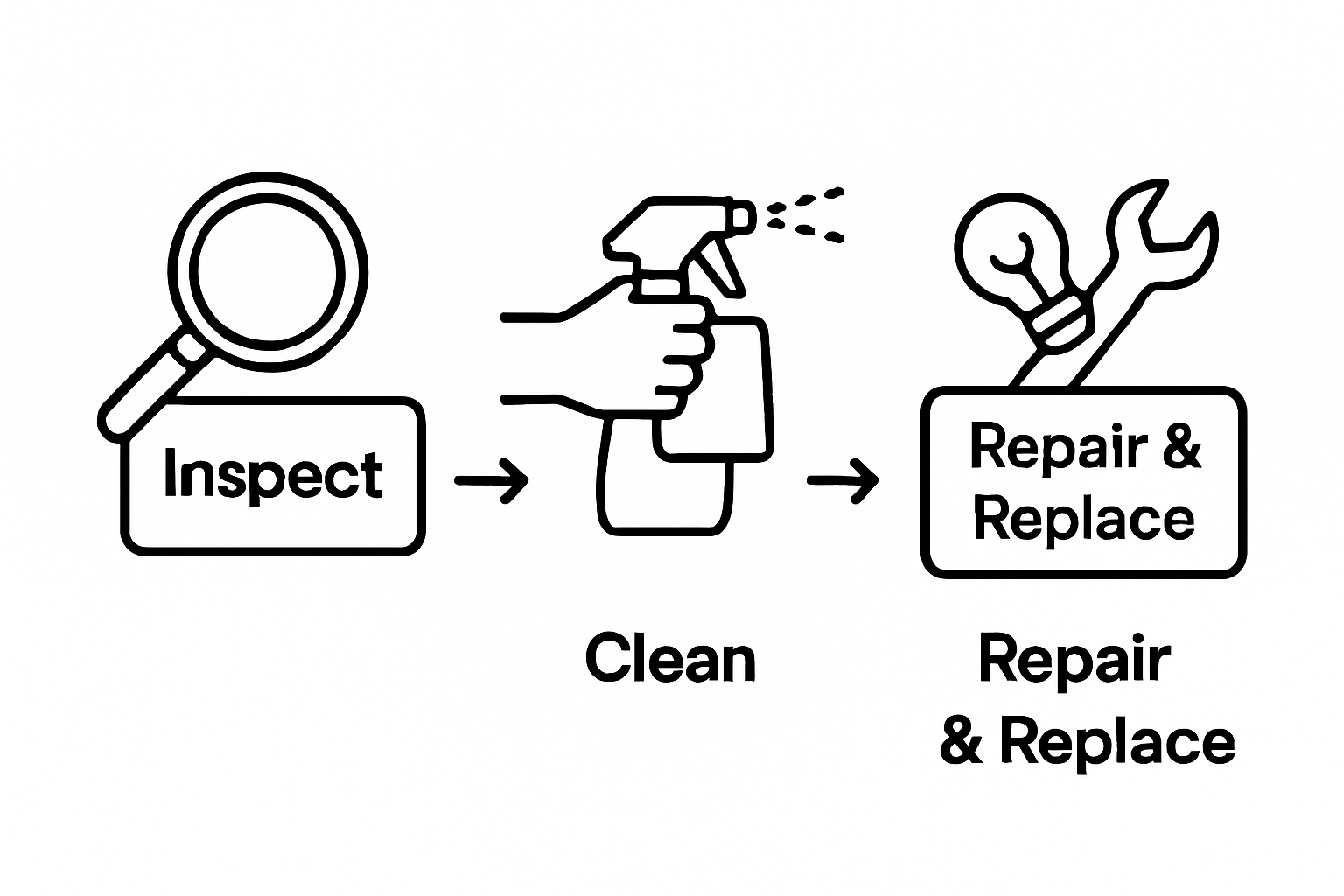
| 5. Establish a maintenance schedule | Create a systematic plan for regular inspections and cleaning to prolong the life and appearance of your shop sign. |
Why Shop Sign Maintenance Matters
Investment Protection
Financial Justification: Regular maintenance significantly extends lifespan:
Cost Comparison:
Well-Maintained Shop Signs:
- Lifespan: 15-25 years (quality materials, proper care)
- Appearance: Professional throughout lifecycle
- Annual maintenance: £200-£600
- Total 20-year cost: £8,000-£20,000 (initial + maintenance)
- Cost per year: £400-£1,000
Neglected Signage:
- Lifespan: 5-10 years (premature failure)
- Appearance: Deteriorated, unprofessional
- Replacement cycle: Every 7-10 years
- Total 20-year cost: £15,000-£45,000 (multiple replacements)
- Cost per year: £750-£2,250
ROI Analysis: Maintenance delivers:
- 2-3× lifespan extension
- 50% total cost reduction
- Continuous professional appearance
- Sustained marketing effectiveness
- Reduced business disruption
Brand Representation
Customer Perception: Sign condition directly influences business perception:
Professional Appearance: Clean, maintained signs communicate:
- Business success (investment capacity)
- Attention to detail (quality standards)
- Customer respect (appearance care)
- Operational stability (established presence)
- Brand pride (quality commitment)
Deterioration Signals: Neglected signs suggest:
- Financial struggles (maintenance neglect)
- Poor quality standards (overall business)
- Temporary operation (transient nature)
- Unprofessional management (operational concerns)
- Declining business (competitive weakness)
Safety and Legal Compliance
Public Safety Obligations: Deteriorated signage creates hazards:
Risk Factors:
- Falling components (mounting failure, weather damage)
- Sharp edges (damaged materials exposed)
- Electrical hazards (Illuminated Signs failure)
- Structural instability (corrosion, decay)
- Obstruction hazards (displaced elements)
Legal Consequences:
- Public liability claims (injury compensation: £5,000-£100,000+)
- Insurance complications (negligence exclusions)
- Health & Safety enforcement (improvement notices, fines)
- Local authority action (dangerous structure orders)
- Reputation damage (incident publicity)
- Business disruption (emergency removal)
Inspection Schedule Framework
Monthly Visual Assessment
Quick Condition Check: Regular monitoring identifies problems early:
Inspection Checklist:
Physical Integrity:
- Structural damage (cracks, deformation, breaks)
- Mounting security (loosening fixings, movement)
- Corrosion signs (rust spots, oxidation)
- Material deterioration (fading, chalking, peeling)
- Weather damage (storm impact, water ingress)
Graphics Condition:
- Vinyl adhesion (lifting edges, bubbles)
- Print quality (fading, color loss)
- Surface cleanliness (dirt accumulation, staining)
- Vandalism damage (graffiti, scratches)
Illumination Function (if applicable):
- Complete operation (all lights working)
- Brightness consistency (uniform output)
- Flickering issues (electrical problems)
- Timer accuracy (correct operation)
- Weatherproofing integrity (seal condition)
Surroundings:
- Vegetation encroachment (visibility obstruction)
- Drainage adequacy (water pooling)
- Building condition (facade deterioration)
Documentation:
- Photographic record (condition tracking)
- Issue log (problem identification)
- Maintenance history (intervention record)
Quarterly Detailed Inspection
Comprehensive Review: In-depth assessment every three months:
Detailed Evaluation:
Structural Assessment:
- Fixing security (torque verification, replacement needed)
- Frame integrity (weld condition, joint stability)
- Support structure (post condition, foundation)
- Weather sealing (joint condition, re-sealing needs)
- Mounting point stress (load distribution, fatigue)
Electrical Systems (Illuminated Signs):
- Connection security (terminal tightness)
- Cable condition (insulation integrity, chafing)
- Earth bonding (safety verification)
- Control systems (timer function, sensor operation)
- Power consumption (efficiency monitoring, anomaly detection)
- Waterproofing (ingress protection maintenance)
Graphics and Finish:
- Color retention (fade percentage assessment)
- Adhesion quality (vinyl edge inspection)
- Paint condition (chalking, cracking evaluation)
- Surface protection (coating integrity)
- Replacement planning (lifecycle management)
Annual Professional Audit
Expert Assessment: Comprehensive yearly evaluation:
Professional Services:
- Structural engineer (large/complex signage)
- Qualified electrician (illuminated systems)
- Signage specialist (comprehensive report)
- Photographic documentation (condition evidence)
- Repair recommendations (prioritized action plan)
- Cost estimation (budget planning)
- Replacement forecasting (lifecycle management)
Compliance Verification:
- Planning consent validity (ongoing compliance)
- Building regulations (structural safety)
- Electrical certification (safety standards)
- Insurance requirements (coverage conditions)

Material-Specific Cleaning
Aluminum Composite (Dibond)
Most Common Shop Sign Material: Standard care maintains appearance:
Cleaning Process:
1. Initial Rinse:
- Cool water (temperature moderation)
- Low pressure (surface protection)
- Loose dirt removal (preparation)
2. Washing:
- Mild detergent solution (pH neutral, non-abrasive)
- Soft cloth or sponge (gentle application)
- Circular motion (even cleaning)
- Edge attention (dirt accumulation areas)
3. Rinsing:
- Thorough water rinse (residue removal)
- Complete detergent elimination (no streaking)
4. Drying:
- Soft cloth (water spot prevention)
- Natural air drying (completion)
Prohibited:
- Abrasive cleaners (surface scratching)
- High-pressure washing (seal damage, delamination risk)
- Solvents (finish degradation)
- Harsh chemicals (coating damage)
Frequency:
- Urban high-traffic: Monthly
- Standard locations: Quarterly
- Protected areas: Bi-annually
Acrylic (Perspex/Plexiglass)
Illuminated Sign Faces: Careful cleaning prevents scratching:
Cleaning Protocol:
1. Dust Removal:
- Soft brush (loose particle elimination)
- Compressed air (corner/edge cleaning)
2. Washing:
- Plastic-safe cleaner (specialist product)
- Microfiber cloth (scratch prevention)
- Gentle circular motion (even application)
- Avoid pressure (surface protection)
3. Drying:
- Clean microfiber (water removal)
- Anti-static treatment (dust repellent application)
Critical Avoidance:
- Paper towels (micro-scratching)
- Window cleaners with ammonia (crazing, cracking)
- Abrasive materials (permanent damage)
- Dry wiping (scratch risk from trapped particles)
Scratch Repair:
- Minor scratches: Acrylic polish (buffing compound)
- Deep scratches: Professional replacement (face panel)
Vinyl Graphics
Printed/Cut Graphics: Gentle care preserves appearance:
Cleaning Method:
1. Temperature Consideration:
- Cool/lukewarm water only (adhesive protection)
- Never hot water (adhesive weakening, lifting)
2. Cleaning:
- Mild soap solution (gentle cleaning)
- Soft sponge (careful application)
- Gentle patting (no rubbing force)
- Edge caution (lifting prevention)
3. Drying:
- Air dry (natural drying)
- Gentle pat if needed (no rubbing)
Prohibitions:
- Abrasive cleaners (graphic damage)
- Pressure washing (edge lifting, graphic removal)
- Harsh chemicals (color fading, adhesive failure)
- Scrubbing motion (surface damage)
Repair:
- Small damage: Vinyl patch (color-matched)
- Extensive damage: Complete graphic replacement
Metal (Stainless Steel, Aluminum, Brass)
Premium Material Care: Specific cleaning maintains finish:
Stainless Steel:
Process:
- Warm water rinse (loose dirt)
- Stainless steel cleaner (appropriate product)
- Soft cloth (grain-direction wiping)
- Immediate drying (water spot prevention)
- Polish application (protection, shine enhancement)
Considerations:
- Coastal environments (increased frequency, salt damage)
- Fingerprint removal (regular attention)
- Corrosion monitoring (early detection, treatment)
Powder-Coated Metal:
- Gentle detergent (coating preservation)
- Soft cloth (finish protection)
- Thorough rinsing (residue removal)
- Damage inspection (coating integrity)
Illumination Maintenance
LED System Care
Modern Illuminated Shop Signs: LED technology dominates:
Maintenance Requirements:
Regular Checks:
- Individual LED function (failure identification)
- Color consistency (degradation detection)
- Brightness uniformity (output monitoring)
- Connection security (loose wiring prevention)
- Driver operation (power supply verification)
Cleaning:
- Dust removal (heat dissipation optimization)
- Ventilation clearance (cooling efficiency)
- Lens cleaning (light transmission maximization)
Component Replacement:
- Individual LED modules (failed units)
- Complete arrays (significant failure, >20% loss)
- Drivers/transformers (power supply issues)
- Wiring (degradation, damage)
Expected Lifespan:
- LED modules: 50,000-100,000 hours (5-11 years continuous)
- Drivers: 30,000-50,000 hours (3-6 years)
- Maintenance-free period: 5-10 years typical
Timer and Control Systems
Automated Operation: Proper scheduling ensures efficiency:
Maintenance:
- Time accuracy (seasonal adjustments, BST changes)
- Photo-cell function (dusk-to-dawn operation)
- Program verification (correct timing)
- Battery backup (power failure protection)
- Remote control (if applicable)
Weather Protection
Storm and Wind Damage Prevention
Severe Weather Preparation: Proactive measures reduce damage:
Pre-Storm Actions:
- Secure loose elements (temporary removal if necessary)
- Check fixing integrity (tighten as needed)
- Clear drainage (water flow)
- Document condition (insurance evidence)
Post-Storm Inspection: Priority assessment required:
- Structural security (immediate safety check)
- Mounting integrity (fixing verification)
- Component damage (impact assessment)
- Water ingress (seal inspection)
- Electrical safety (illuminated signs)
Seasonal Considerations
Winter Preparation: Cold weather protection:
Pre-Winter:
- Seal inspection (water ingress prevention)
- Drainage clearance (ice formation prevention)
- Electrical weatherproofing (moisture protection)
- Expansion accommodation (temperature cycling)
Winter Monitoring:
- Snow load removal (weight management)
- Ice formation (damage prevention)
- Frost damage (material impact)
Summer Maintenance: Heat and UV management:
Tasks:
- Increased cleaning (pollen, dust)
- Fade assessment (UV degradation)
- Expansion checking (material movement)
- Vegetation management (growth obstruction)
Repair Procedures
Minor Repairs (DIY Possible)
Simple Maintenance:
Vinyl Edge Re-adhesion:
- Heat application (hairdryer, heat gun careful)
- Pressure application (roller, squeegee)
- Edge sealing (if persistent)
Small Paint Touch-Up:
- Color matching (exact shade)
- Surface preparation (cleaning, light sanding)
- Application (brush, spray as appropriate)
- Clear coat (protection)
Cleaning Stubborn Stains:
- Graffiti removal (appropriate solvents, test first)
- Bird dropping removal (immediate action, acidic)
- Oxidation treatment (metal polish)
Professional Repairs Required
Specialist Expertise:
Structural Issues:
- Mounting repair/replacement (fixing renewal)
- Frame welding (structural restoration)
- Panel replacement (damaged sections)
- Complete refurbishment (comprehensive restoration)
Electrical Work:
- Wiring replacement (safety critical)
- Component replacement (technical expertise)
- Safety testing/certification (compliance)
Graphics Replacement:
- Complete vinyl replacement (professional application)
- Repainting (surface preparation, finish quality)
- Digital print replacement (color accuracy)
Professional Maintenance Programs
Service Agreement Options
Contracted Care: Systematic professional maintenance:
Basic Package:
- Bi-annual visits (2× yearly)
- Cleaning and inspection
- Minor adjustments
- Condition report
- Cost: £200-£500 annually
Comprehensive Package:
- Quarterly visits (4× yearly)
- Thorough cleaning
- Detailed inspection
- Priority repairs (minor included)
- Emergency call-out
- Annual professional report
- Cost: £500-£1,500 annually
Premium Package:
- Monthly monitoring
- Immediate response (emergency)
- All repairs included
- Graphics refresh schedule
- Proactive replacement planning
- Comprehensive documentation
- Cost: £1,500-£5,000+ annually
Program Benefits
Advantages:
Proactive Care:
- Early problem detection (cost savings, major repair prevention)
- Scheduled maintenance (no neglect)
- Expert attention (quality assurance)
- Documented condition (asset management, compliance)
Financial:
- Budget certainty (predictable costs)
- Prevented major repairs (early intervention savings)
- Extended lifespan (optimal care maximization)
- Maintained appearance (sustained brand value)
Operational:
- No staff time required (external management)
- Professional expertise (specialist knowledge)
- Emergency support (responsive service)
- Compliance assurance (regulatory confidence)
Warning Signs Requiring Immediate Action
Critical Issues
Urgent Professional Assessment:
Safety Hazards:
- Loose mounting (falling risk – immediate danger)
- Exposed sharp edges (injury potential)
- Electrical sparking/burning smell (fire risk)
- Structural damage (collapse potential)
- Action: Immediate professional inspection, possible temporary closure
Rapid Deterioration:
- Extensive rust (structural compromise)
- Significant fading (>50% color loss – brand impact)
- Delamination (material separation)
- Water ingress (internal damage progression)
- Multiple LED failures (system issue indication)
Professional Response: Contact signage specialist within 24-48 hours for assessment and quotation.
Record Keeping
Maintenance Documentation
Systematic Recording:
Log Contents:
- Inspection dates (activity tracking)
- Condition notes (deterioration monitoring)
- Repairs performed (intervention history)
- Costs incurred (budget tracking)
- Photographs (visual evidence)
- Professional reports (expert assessment)
- Weather events (environmental impact)
Benefits:
- Warranty compliance (manufacturer requirements)
- Insurance evidence (due diligence demonstration)
- Replacement planning (lifecycle forecasting)
- Budget forecasting (cost prediction)
- Asset valuation (condition documentation)
- Compliance demonstration (regulatory audit)
Conclusion
Essential Signage Pompanies maintenance extends lifespan, preserves professional appearance, prevents safety hazards, and maximizes investment returns through systematic inspection, appropriate material-specific care, timely repairs, and weather protection. From routine cleaning through electrical maintenance of LED Signs proactive attention delivers measurable benefits exceeding maintenance investment costs.
Strategic maintenance transforms signage from depreciating asset into sustained marketing infrastructure maintaining visual impact, communicating professionalism, and delivering continuous customer attraction throughout extended operational life. Whether implementing internal programs or engaging professional services, systematic care ensures signage investment protection and sustained brand representation excellence.
For businesses seeking expert shop sign maintenance guidance and professional service programs, partnering with experienced providers ensures access to material expertise, technical capabilities, and systematic protocols that optimize maintenance efficiency while protecting investment value and maintaining professional appearance standards.
Recommended
- Best Practices for Maintenance of Shop Signs – PromoSigns.co.uk
- 8 Inspiring High Street Shop Sign Ideas for Success – PromoSigns.co.uk
- Effective Use of Lighting in Shop Signs for London Businesses 2025 – PromoSigns.co.uk
- The Modern Age Visual Displays For Branding – PromoSigns.co.uk
- How to Maintain a Carbon Steel Pan: Preventing Rust & Warping – Brass & Steel
