
Hanging signs represent one of the most versatile and impactful signage solutions available to businesses, offering exceptional visibility from multiple angles while maximizing limited space. Whether suspended from ceilings, mounted on brackets, or hanging from structures, these elevated displays capture attention, guide customers, and communicate messages with professional clarity.
This comprehensive guide explores everything you need to master hanging signs—from design principles and material selection to installation techniques and regulatory compliance—ensuring your suspended signage delivers maximum impact and lasting value.
Table of Contents
Quick Summary
| Key Point | Explanation |
|---|---|
| 1. Thoroughly assess surfaces and conditions | Evaluate the materials and site factors before installation to ensure structural compatibility for your signage project. |
| 2. Prepare a comprehensive toolkit | Gather all necessary tools and hardware, ensuring everything is in working order to avoid delays during installation. |
| 3. Securely install mounting brackets | Align brackets accurately and use appropriate fixings to ensure your hanging sign can withstand environmental stresses. |
| 4. Collaborate for accurate sign positioning | Use teamwork to lift and adjust the sign while maintaining proper alignment for a professional appearance. |
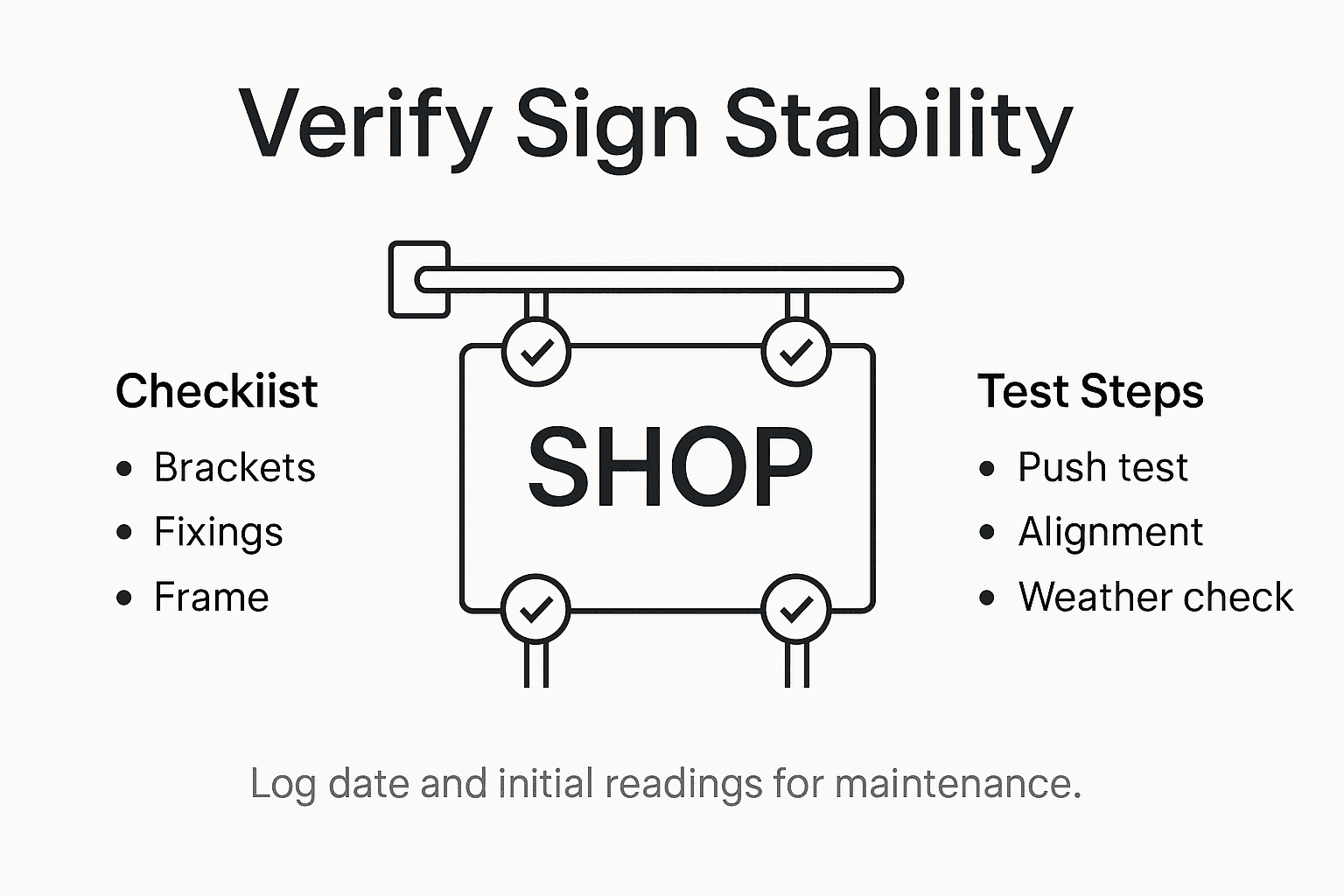
| 5. Verify stability and alignment post-installation | Check all fixing points and ensure the sign remains secure and visually straight to enhance its effectiveness. |
Understanding Hanging Signs
What Are Hanging Signs?
Hanging signs (also known as suspended signs, ceiling signs, or overhead signs) are display panels mounted above ground level, typically suspended from ceilings, beams, or bracket systems extending from walls or posts.
Core Characteristics:
- Elevated positioning for enhanced visibility
- Viewing from multiple angles (often double-sided)
- Space-efficient vertical utilization
- Unobstructed sight lines
- Professional overhead presence
Common Applications:
- Retail store department identification
- Shopping center wayfinding
- Airport and station directories
- Exhibition hall navigation
- Restaurant and bar branding
- Hotel and conference center guidance
- Trade show booth displays
Why Hanging Signs Deliver Superior Results
Visibility Advantages:
- Visible above crowds and obstacles
- Long-distance recognition
- Multi-directional viewing
- Strategic eye-level placement (elevated perspective)
- Reduced ground-level clutter
Space Optimization:
- Preserves floor space
- Utilizes overhead area
- Creates clean, professional environments
- Accommodates high-traffic areas
- Enhances architectural features
Commercial Benefits:
- Improved customer navigation
- Enhanced brand presence
- Professional atmosphere creation
- Cost-effective coverage
- Versatile messaging opportunities
| Surface Type | Recommended Fixing | Key Consideration |
|---|---|---|
| Brick | Heavy-duty wall anchors | Check for mortar strength |
| Concrete | Expansion bolts | Assess concrete thickness |
| Metal Cladding | Specialised brackets | Ensure rust protection |
| Wooden Framework | Stud finders and wood screws | Locate secure studs |
| Composite Panels | Toggle bolts | Distribute load carefully |
Expert Tip: Always take precise measurements and photographs of your fixing points before purchasing any mounting equipment to ensure perfect compatibility and reduce potential installation challenges.
This table outlines how to anticipate and address common challenges during hanging sign installation:
| Challenge | Preventive Action | Potential Impact if Ignored |
|---|---|---|
| Inadequate Fixing Points | Inspect and test surfaces beforehand | Risk of collapse or failure |
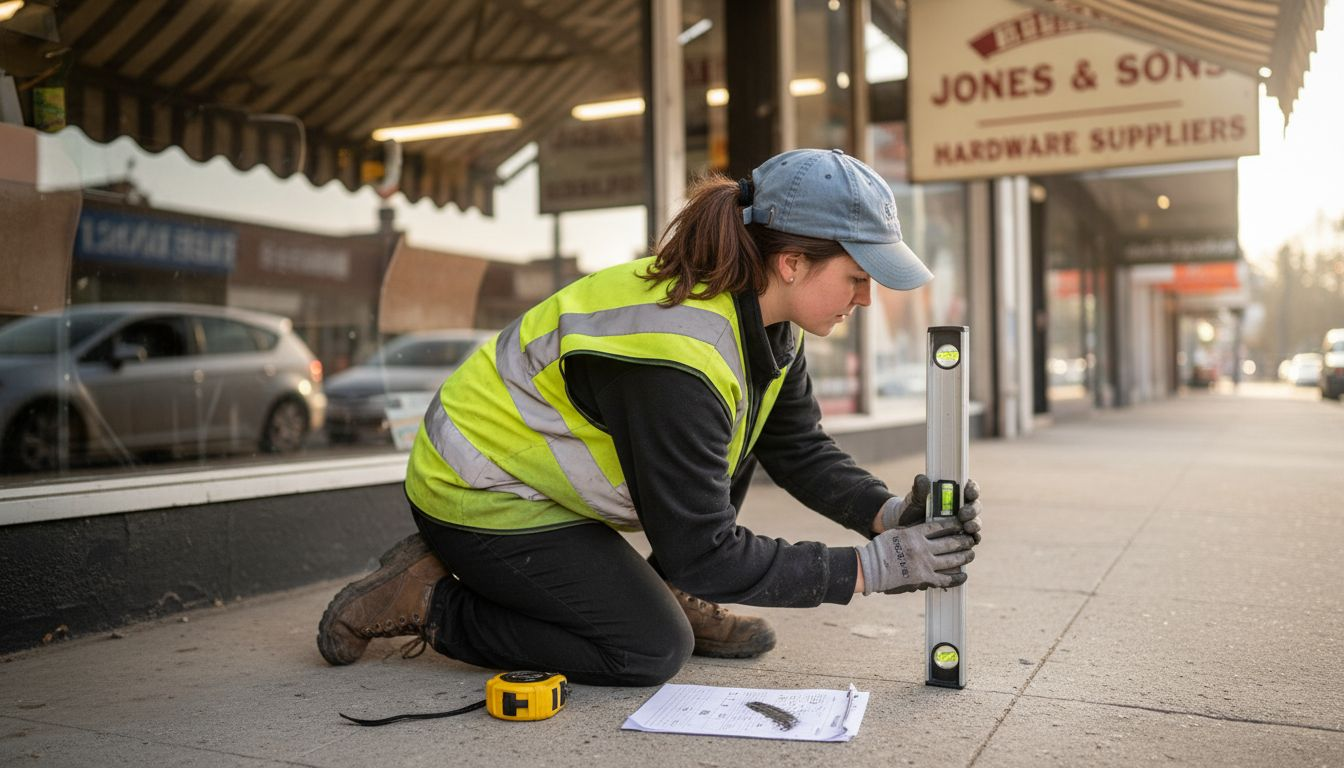
| Misaligned Installation | Use spirit level at all stages | Poor visual appearance |
| Environmental Exposure | Select corrosion resistant hardware | Accelerated wear and damage |
| Insufficient Tools | Prepare a comprehensive toolkit | Delays and substandard fixings |
Types of Hanging Signs
Ceiling-Suspended Signs
Direct Ceiling Mounting: Most common hanging sign configuration:
Suspension Methods:
- Cable and wire systems (adjustable height)
- Chain suspension (industrial aesthetic)
- Rod mounting (rigid, stable)
- Track systems (repositionable)
- Magnetic mounting (modular ceilings)
Ideal Applications:
- Shopping center aisle signs
- Department store navigation
- Supermarket category identification
- Exhibition hall directions
- Airport terminal wayfinding
Material Considerations:
- Lightweight substrates preferred
- Foamex boards (economical, effective)
- Corrugated plastic (durable, lightweight)
- Acrylic panels (premium appearance)
- Aluminum composite (professional finish)
- Fabric tension systems (modern, seamless)
Bracket-Mounted Projecting Signs
Wall Extension Systems: Projecting signs mounted perpendicular to buildings:
Construction Elements:
- Structural bracket (wrought iron, steel, aluminum)
- Sign panel (timber, acrylic, metal)
- Fixing system (through-bolted, chemical anchors)
- Optional illumination
- Decorative elements
Traditional Applications:
- High street retail identification
- Pub and restaurant branding
- Professional service offices
- Heritage building locations
- Town center businesses
Regulatory Considerations:
- Planning permission typically required
- Listed building consent (heritage properties)
- Size and projection restrictions
- Height clearance requirements (minimum 2.5m)
- Illumination limitations
Banner-Style Hanging Signs
Flexible Fabric Solutions: Lightweight, versatile hanging options:
Banner Types:
- PVC banners (weather-resistant, economical)
- Fabric tension systems (premium, seamless)
- Mesh banners (high-wind areas)
- Vinyl graphics (custom applications)
- Textile prints (soft, contemporary)
Mounting Approaches:
- Top and bottom pole pockets
- Eyelet suspension
- Clip and rail systems
- Tension cable mounting
- Frame integration
Best Uses:
- Temporary promotions
- Seasonal campaigns
- Event signage
- Construction site identification
- Festival and celebration decoration
Post-Mounted Hanging Signs
Freestanding Elevated Displays: Ground-mounted posts supporting overhead signs:
Applications:
- Car park directional signs
- Campus wayfinding
- Industrial estate navigation
- Retail park guidance
- Hotel and restaurant identification
Construction:
- Steel or aluminum posts
- Concrete foundation
- Double-sided sign panels
- Adjustable height options
- Illumination capability
Design Principles for Hanging Signs
Viewing Angle Optimization
360-Degree Consideration: Hanging signs often viewed from diverse angles:
Design Adaptations:
- Information placement considering oblique views
- Text and graphics sized for acute angles
- Directional arrow orientation
- Edge profile appearance
- Suspension hardware integration
Height and Distance Calculation: Apply visibility formula for elevated signs:
- Viewing distance ÷ 100 = minimum letter height (in same units)
- Example: 20-meter viewing distance = 200mm minimum letters
- Add 20-30% for angle and obstruction factors
Double-Sided Design Strategies
Mirror vs. Varied Content:
Identical Faces: Most common for hanging signs:
- Consistent messaging from both directions
- Simplified production
- Unified brand presentation
- Cost optimization
Different Faces: Strategic variations when appropriate:
- Directional information (opposite arrows)
- Approaching vs. departing messages
- Multilingual alternatives
- Category-specific information
Color and Contrast for Overhead Viewing
Enhanced Visibility Requirements: Elevated positioning demands stronger contrast:
High-Performance Combinations:
- Black on white (maximum contrast)
- Dark blue on white
- Yellow on black (caution/attention)
- Red on white (urgency)
- Corporate colors with high-contrast backgrounds
Lighting Interaction:
- Natural overhead lighting effects
- Artificial venue illumination
- Shadow and glare considerations
- Backlit vs. front-lit appearance
Typography for Distance Reading
Legibility Priorities:
- Bold, sans-serif fonts preferred
- Generous x-height (letter proportion)
- Adequate letter spacing
- High stroke weight
- Avoid condensed typefaces
Text Hierarchy:
- Primary information: Largest (department name)
- Secondary details: Medium (aisle numbers)
- Tertiary data: Smallest (supplementary info)
Materials and Construction
Lightweight Substrate Options
Foamex (PVC Foam Board): Popular choice for indoor hanging signs:
Advantages:
- Lightweight (easy suspension)
- Cost-effective
- Smooth print surface
- Easy fabrication
- Available in multiple thicknesses (3mm, 5mm, 10mm)
Limitations:
- Indoor use primarily
- Limited weather resistance
- Not suitable for long-term outdoor
Corrugated Plastic (Correx): Budget-friendly alternative:
Benefits:
- Extremely lightweight
- Weather-resistant
- Cost-effective
- Temporary/short-term ideal
- Recyclable
Applications:
- Event signage
- Temporary directional signs
- Short-term promotions
- Construction site use
Premium Material Options
Acrylic (Perspex): High-quality suspended signage:
Characteristics:
- Premium appearance
- Excellent edge finish
- Illumination capability
- Scratch-resistant
- Professional credibility
Construction Methods:
- Laser-cut precision
- Edge polishing
- Back-mounted graphics
- Direct UV printing
- Vinyl graphics application
Aluminum Composite (Dibond): Professional, durable choice:
Features:
- Lightweight yet rigid
- Flat, professional finish
- Weather-resistant
- Suitable indoor/outdoor
- Premium appearance
Frame and Mounting Systems
Aluminum Extrusion Frames: Professional edge finish and strength:
Benefits:
- Clean, modern appearance
- Easy graphic changes
- Structural rigidity
- Professional edge detail
- Multiple finish options
Snap-Frame Systems: Update-friendly design:
Advantages:
- Tool-free graphic changes
- Protective face cover
- Secure graphic retention
- Professional presentation
- Cost-effective updates
Suspension and Installation Methods
Ceiling Suspension Systems
Cable Wire Suspension: Most versatile hanging method:
Components:
- Stainless steel cable (1.5-3mm diameter)
- Ceiling fixings (appropriate to structure)
- Height adjusters (grip locks or turnbuckles)
- Sign attachment hardware
- Safety secondary suspension
Best Practices:
- Four-point suspension minimum (stability)
- Load calculation and verification
- Regular tension checking
- Safety secondary cable requirement
- Professional installation recommended
Chain Suspension: Industrial aesthetic option:
Characteristics:
- Decorative and functional
- Height adjustment capability
- Robust construction
- Traditional appearance
- Multiple finish options (chrome, brass, black)
Bracket Mounting Installation
Wall-Mounted Brackets: Projecting sign installation requirements:
Structural Assessment:
- Building fabric analysis
- Load-bearing verification
- Historic building considerations
- Fixing method selection
- Professional engineering
Fixing Systems:
- Through-bolt mounting (strongest)
- Chemical anchors (masonry)
- Resin fixings (brick and stone)
- Structural bolts (steel frames)
- Vibration dampening bushings
Safety Compliance:
- Wind load calculations
- Structural engineer certification
- Public liability insurance
- Regular maintenance inspection
- Compliance documentation
Rail and Track Systems
Repositionable Mounting: Flexible hanging sign solutions:
Applications:
- Retail environments (seasonal changes)
- Exhibition halls (event-specific)
- Conference centers (flexible spaces)
- Libraries and education (dynamic needs)
System Components:
- Ceiling-mounted track
- Sliding carriers
- Quick-release attachments
- Position locking mechanisms
- Integrated lighting options
Illumination Options
Backlit Hanging Signs
Internal LED Illumination: Premium suspended signage approach:
Construction:
- Aluminum frame cabinet
- LED edge-lighting or panel
- Translucent acrylic face
- Vinyl or UV-printed graphics
- Power cable integration
Advantages:
- 24/7 visibility
- Professional appearance
- Energy efficiency (LED)
- Even illumination
- Brand impact enhancement
Installation Considerations:
- Electrical connection routing
- Power supply location
- Safe cable management
- Compliance certification
- Maintenance access
Spotlit Hanging Signs
External Illumination: Alternative lighting approach:
Methods:
- Track-mounted spotlights
- Adjustable directional fixtures
- Ceiling recessed lighting
- Architectural uplighting
Benefits:
- Lower sign construction cost
- Flexible lighting adjustment
- Dramatic visual effects
- Easier maintenance access
Planning Permission and Regulations
UK Advertisement Consent
When Permission Required: Commercial hanging signs regulations:
Internal Signs: Generally no consent needed:
- Within enclosed buildings
- Shopping center common areas
- Private property interior spaces
External Projecting Signs: Consent typically required:
- Building-mounted brackets
- Public realm visibility
- Size exceeding limits
- Illuminated displays
Size and Projection Limits
Typical Restrictions:
- Maximum projection: 1 meter from building
- Minimum height: 2.5 meters above footpath
- Maximum sign area: 0.75-1.5 sqm per face
- Number per premises: Often limited to one
Conservation Areas: Stricter requirements:
- Traditional materials expectation
- Heritage-appropriate design
- Enhanced scrutiny
- Possible illumination prohibition
Safety Standards and Compliance
Structural Requirements:
- Engineering calculations for loads
- British Standards compliance
- Regular inspection schedules
- Professional installation
- Comprehensive insurance
Public Safety:
- Secure fixing verification
- Component failure prevention
- Emergency evacuation consideration
- Clear signage below hazard areas
- Maintenance access safety
Business Applications
Retail Environments
Department Stores: Hanging signs optimize navigation:
Strategic Implementation:
- Department identification (clothing, electronics, home)
- Aisle category markers
- Promotional campaign highlights
- Brand section identification
- Sale area designation
Benefits:
- Reduced customer inquiries
- Improved shopping experience
- Increased department discovery
- Professional presentation
- Flexible messaging
Hospitality Sector
Restaurants and Bars: Hanging signage enhances atmosphere:
Applications:
- Outdoor projecting signs (street identification)
- Interior signage (bar, restaurant, facilities)
- Menu board displays
- Promotional hanging banners
- Event identification
Shopping Centers and Malls
Wayfinding Excellence: Comprehensive suspended sign systems:
Navigation Hierarchy:
- Primary directories (mall entrance)
- Secondary directions (corridor junctions)
- Tertiary information (store proximity)
- Facility identification (toilets, lifts, exits)
- Promotional messaging
Exhibitions and Events
Temporary Hanging Solutions: Flexible event signage:
Applications:
- Stand identification
- Aisle markers
- Sponsor recognition
- Directional guidance
- Information displays
Advantages:
- Easy installation/removal
- Repositionable
- Reusable across events
- Professional appearance
- Cost-effective solution
Cost Considerations
Investment Ranges (UK)
Basic Hanging Signs:
- Small Foamex (A3-A2): £40-£100
- Medium suspended (A1-A0): £100-£250
- Custom shapes/sizes: £150-£400
Premium Hanging Signs:
- Acrylic suspended (double-sided): £300-£800
- Aluminum composite professional: £400-£1,000
- Illuminated hanging signs: £600-£2,500
Projecting Signs:
- Small non-illuminated: £400-£800
- Standard illuminated: £800-£2,000
- Premium crafted: £2,000-£5,000+
Installation Costs:
- Simple ceiling suspension: £100-£300
- Complex multi-point installation: £300-£800
- Projecting bracket installation: £400-£1,500
- Electrical connection (illuminated): £200-£600
Return on Investment
Measurable Benefits:
- Improved wayfinding (reduced staff inquiries 30-50%)
- Enhanced customer experience
- Increased department discovery
- Professional credibility
- Flexible messaging capability
Maintenance Requirements
Regular Inspection
Monthly Visual Checks:
- Suspension security
- Graphics condition
- Cleaning requirements
- Damage assessment
- Alignment verification
Quarterly Detailed Service:
- Professional cleaning
- Hardware inspection
- Tension adjustment
- Component replacement needs
- Documentation update
Cleaning Protocols
Safe Cleaning Approach:
- Access equipment requirements
- Gentle cleaning solutions
- Non-abrasive materials
- Systematic process
- Safety compliance
Professional Services: Recommended for:
- High installations
- Large quantities
- Illuminated signs
- Complex access situations
- Liability management
Choosing Professional Providers
Selection Criteria
Essential Capabilities:
- Hanging sign design expertise
- Quality manufacturing facilities
- Professional installation services
- Planning permission navigation
- Safety compliance knowledge
- Ongoing maintenance support
Portfolio Assessment:
- Similar environment experience
- Scale and complexity capability
- Innovation demonstration
- Quality standards evidence
- Long-term client relationships
Future Trends
Digital Hanging Displays
LED Screen Technology: Dynamic suspended signage:
Capabilities:
- Real-time content updates
- Video and animation
- Daylight-readable displays
- Remote content management
- Interactive integration
Sustainable Solutions
Environmental Priorities:
- Recyclable substrate materials
- LED energy efficiency
- Long-life component selection
- Responsible disposal programs
- Circular economy participation
Conclusion
Hanging signs represent versatile, space-efficient signage solutions that deliver exceptional visibility and professional impact across diverse applications. From retail wayfinding and hospitality branding to event navigation and projecting sign street presence, suspended signage maximizes overhead space while creating clear, professional communication.
Success requires understanding viewing dynamics, selecting appropriate materials and construction, ensuring regulatory compliance, implementing professional installation, and maintaining ongoing care. Whether creating internal navigation systems or external brand identification, the fundamental principles remain: visibility, clarity, safety, and professional execution.
Investment in quality hanging signs delivers long-term value through enhanced customer experience, improved operational efficiency, flexible messaging capability, and sustained professional image. Approached strategically and executed professionally, suspended signage transforms environments while optimizing both space utilization and communication effectiveness.
For businesses seeking to maximize their overhead signage impact through expert suspended solutions, partnering with experienced hanging sign specialists ensures access to design innovation, technical expertise, and professional execution that elevates wayfinding, branding, and customer engagement.
Recommended
- How to Install Your Shop Front Sign Like a Pro – PromoSigns.co.uk
- Shop Signs Tower Hill | Restaurant Signs | Office Wall Signs
- Shop Signs South Gate
- Shop Signs Victoria Street | Restaurant Signs | Office Wall Signs
- Fasteners vs concealed clips: what survives Vancouver wind the best?
