
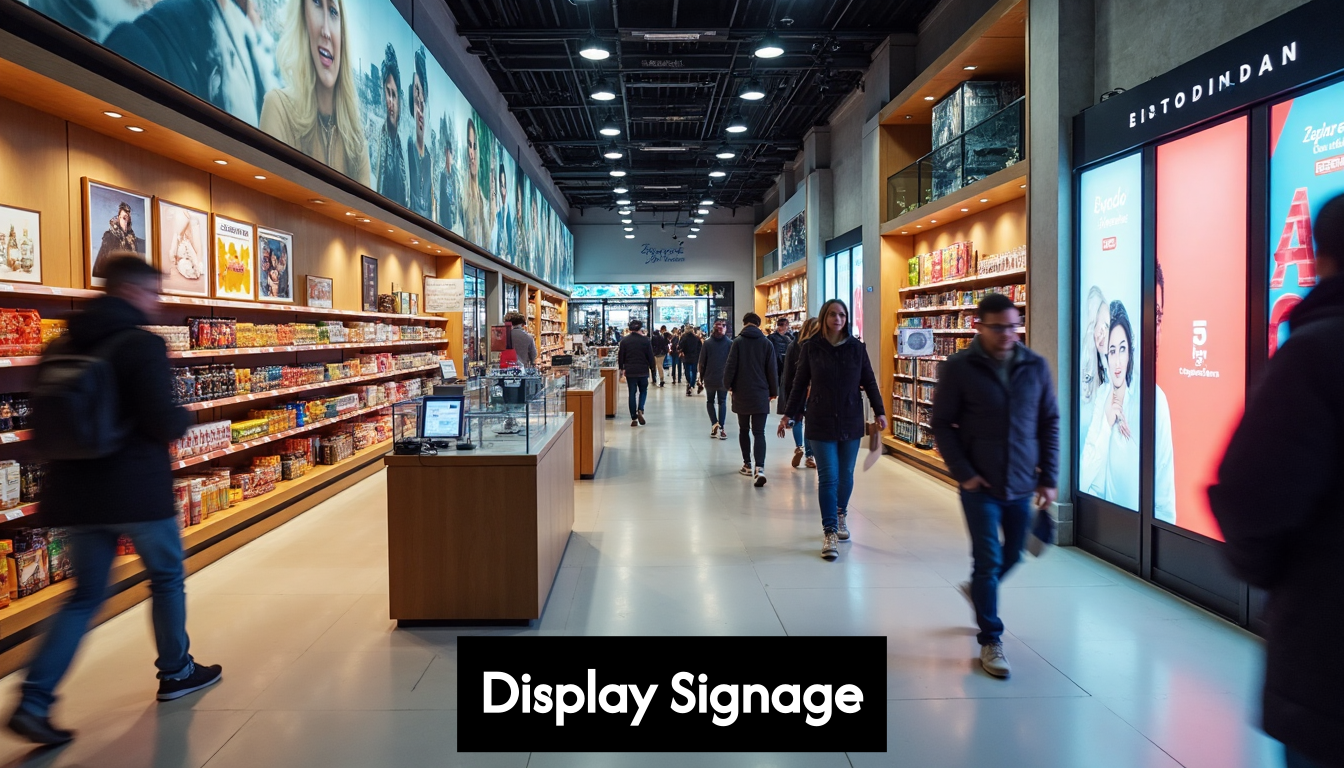
Retail POP display signage is about to transform how London businesses grab attention in 2025. Most expect flashy technology to steal the show, yet the real surprise lies in hard numbers. Well-placed POP displays can cut perceived wait times by 35 percent and send sales figures climbing by an average of 31.8 percent. That is not just about glitzy screens or clever graphics. The smart use of signage will quietly shape profits and customer moods in ways few expect, and the strategies making it work will be anything but ordinary.
Table of Contents
Table of Contents
- Understanding Retail Pop Display Signage
- The Strategic Role Of Pop Display Signage
- Emerging Trends In Retail Display Signage
- Choosing The Right Signage For Your Business
- Assessing Your Business Needs And Brand Identity
- Sustainability And Technological Integration
- Design Trends For Pop Display Signage In 2025
- Technological Integration And Sensory Design
- Sustainability And Emotional Connection
- Installation, Compliance, And Best Practices
- Strategic Placement And Visibility Considerations
- Regulatory Compliance And Safety Standards
- Technical Considerations And Maintenance
Quick Summary
| Takeaway | Explanation |
|---|---|
| Strategic Role of POP Signage | Effective POP display signage can reduce perceived wait times by up to 35% and increase sales by an average of 31.8%, highlighting its importance as a marketing tool. |
| Emphasis on Sustainability and Technology | Retail signage trends prioritise sustainable materials and technological integration, including digital displays for real-time content management, ensuring alignment with modern consumer values. |
| Key Placement Considerations | Optimal signage placement can enhance visibility by up to 35%. Key factors include height, traffic flow, lighting, and proximity to related products, which influence customer engagement. |
| Regulatory Compliance Importance | Adhering to local regulations and safety standards is crucial for effective signage implementation, potentially increasing foot traffic by up to 20%. |
| Ongoing Maintenance Necessity | Regular maintenance and technical support are essential for ensuring the longevity and performance of both digital and traditional signage systems. |
Understanding Retail POP Display Signage
Retail point-of-purchase (POP) display signage represents a critical communication tool for businesses seeking to capture customer attention and drive purchasing decisions. These strategic visual elements serve as silent yet powerful marketing agents within retail environments, transforming ordinary shopping experiences into compelling narrative journeys.
The Strategic Role of POP Display Signage
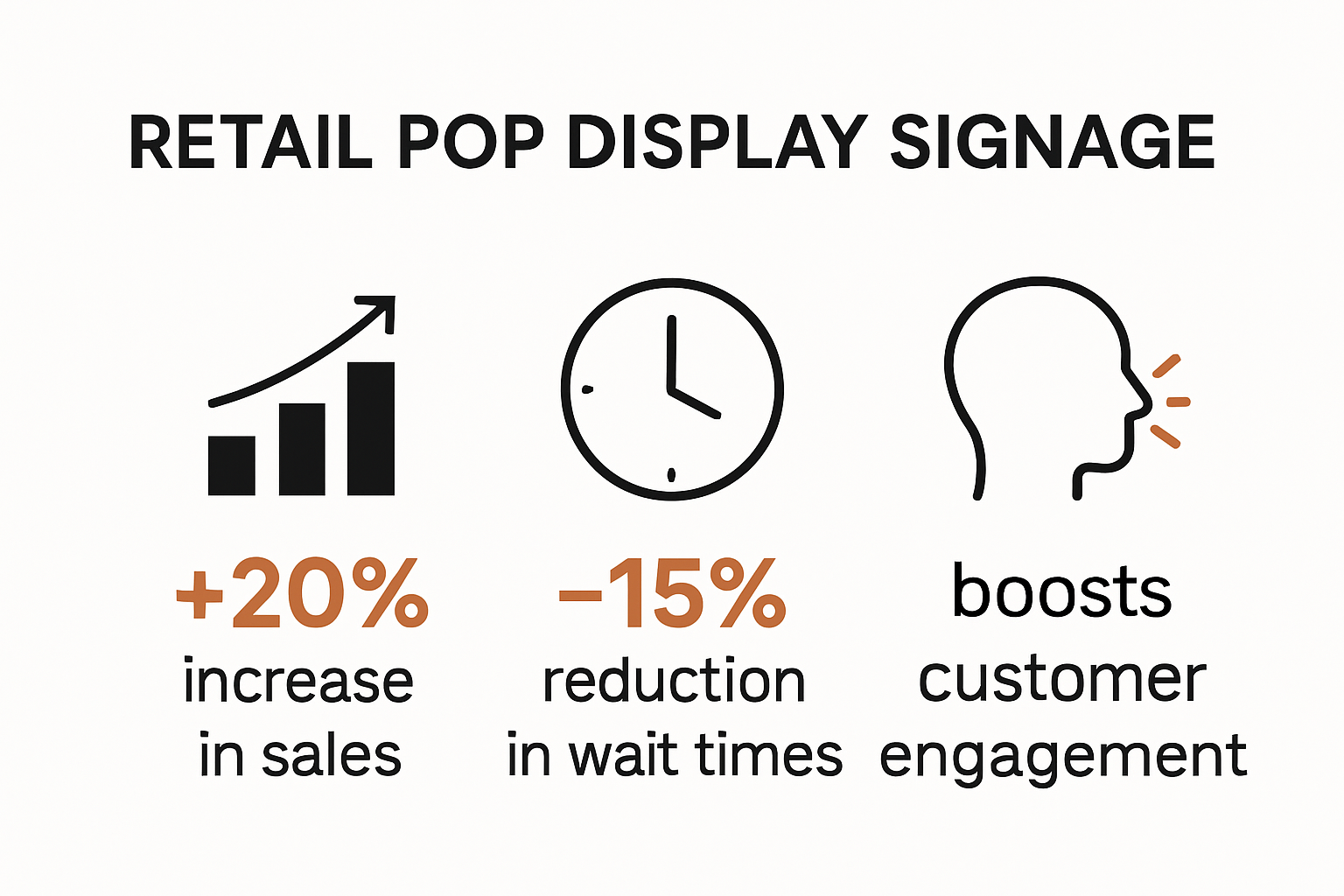
Point-of-purchase signage goes far beyond mere decoration. According to digital signage research, these displays can reduce perceived wait times by up to 35% while simultaneously boosting sales performance. Businesses implementing sophisticated signage strategies experience an average sales uplift of 31.8%, demonstrating the profound impact of well-designed visual communication.
These displays function as critical touchpoints between products and potential customers. They communicate brand messaging, highlight product features, showcase pricing information, and create immersive shopping experiences. By strategically positioning informative and visually engaging signage, retailers can guide consumer attention, stimulate purchasing impulses, and differentiate themselves in competitive marketplaces.
Emerging Trends in Retail Display Signage
The retail signage landscape is rapidly evolving, with emerging trends focusing on customization, technological integration, and brand storytelling. Retail media insights project the in-store retail media market will surpass £0.5 million in value by 2025, indicating significant industry transformation.
Modern POP display signage incorporates multiple elements: vibrant graphics, high-quality materials, interactive digital components, and seamless brand messaging. Businesses are moving beyond traditional static displays towards dynamic, adaptable solutions that can be quickly modified to reflect current marketing campaigns, seasonal promotions, or targeted messaging.
For those wanting to explore more innovative approaches to retail signage, our comprehensive guide on transformative retail signage offers detailed insights into cutting-edge design strategies. These emerging approaches not only capture attention but also create memorable brand experiences that resonate with modern consumers.
The effectiveness of retail POP display signage hinges on understanding audience psychology, design principles, and technological capabilities. Successful implementations blend aesthetic appeal with strategic communication, turning ordinary retail spaces into engaging, conversion-focused environments that speak directly to customer desires and expectations.
Choosing the Right Signage for Your Business
Selecting the optimal retail POP display signage requires strategic consideration of multiple factors that extend beyond aesthetic appeal. The right signage can transform a business’s visual communication, driving customer engagement and potentially increasing sales performance.
Assessing Your Business Needs and Brand Identity
Every business has unique requirements that influence signage selection. According to global digital signage market projections, the market is expected to reach £23.05 billion by 2025, underscoring the critical importance of making informed signage decisions.
Businesses must evaluate several key considerations: brand aesthetic, target audience, physical space constraints, and communication objectives. Our comprehensive guide on selecting commercial signs provides deeper insights into navigating these complex decisions. Factors such as visibility, durability, material quality, and alignment with brand messaging become paramount in creating effective display signage.
Sustainability and Technological Integration
Modern retail signage trends emphasize sustainability and technological innovation. Retail media insights highlight a growing preference for environmentally conscious, high-quality printed signage that reflects brand values while maintaining visual impact.
Technological integration presents exciting opportunities for businesses. Digital displays offer dynamic content management, allowing real-time updates and interactive experiences. Traditional printed signage remains relevant, particularly for businesses seeking consistent, classic branding approaches. The key lies in selecting solutions that balance technological sophistication with authentic brand storytelling.
The most successful retail POP display signage solutions are those that seamlessly blend visual appeal, strategic communication, and technological adaptability. By carefully considering brand identity, audience expectations, and emerging design trends, businesses can create signage that not only attracts attention but also drives meaningful customer interactions and supports overall marketing objectives.
Design Trends for POP Display Signage in 2025
The retail signage landscape in 2025 represents a transformative intersection of technology, sustainability, and immersive customer experience design. Businesses are moving beyond traditional visual communication approaches, embracing innovative strategies that engage customers on multiple sensory and emotional levels.
Technological Integration and Sensory Design
Emerging design trends are dramatically reshaping point-of-purchase display signage. According to AI-powered signage research, digital displays are increasingly incorporating artificial intelligence and augmented reality features, creating highly personalized and interactive customer experiences.
The most progressive retail environments are adopting what designers call ‘sensory minimalism’. Our guide to modern visual branding explores how this approach uses clean layouts, subtle lighting, and strategic visual cues to create immersive yet uncluttered atmospheres that draw customer attention precisely where intended.
Sustainability and Emotional Connection
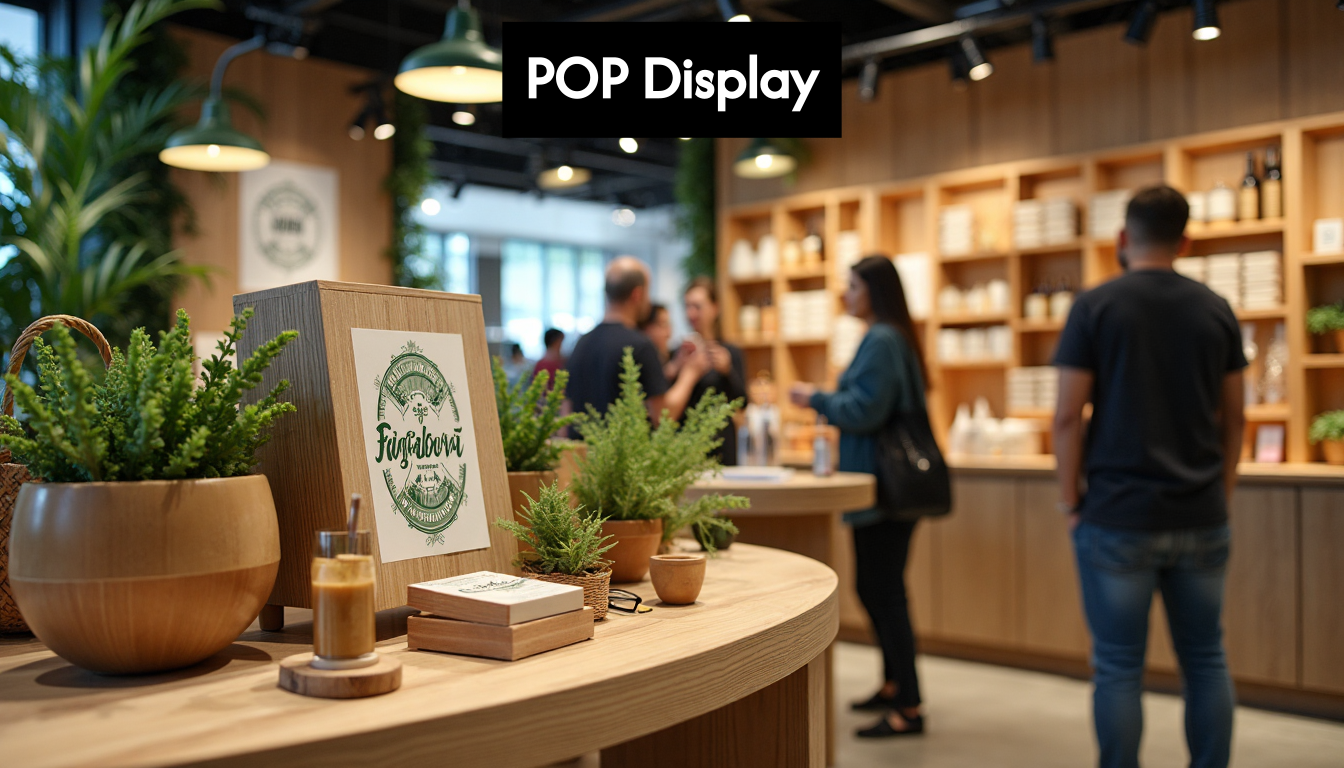
Biophilic design principles are revolutionizing retail POP display signage in 2025. Retail design insights reveal a growing trend of integrating natural materials, organic shapes, and environmentally conscious design elements that create calming, emotionally resonant spaces.
This approach goes beyond aesthetic appeal. By incorporating sustainable materials, soft textures, and design elements that mimic natural environments, businesses can create signage that not only communicates product information but also establishes a deeper emotional connection with customers. The goal is no longer just visual communication but creating holistic, memorable brand experiences.
The most successful retail POP display signage in 2025 will be those that seamlessly blend cutting-edge technology, sustainable design principles, and nuanced understanding of human psychology. Businesses that can create displays which feel simultaneously innovative and intimately personal will stand out in an increasingly competitive retail environment.
Installation, Compliance, and Best Practices
Successful implementation of retail POP display signage extends far beyond design and selection. Proper installation, rigorous compliance with local regulations, and adherence to industry best practices are critical components that determine the effectiveness and legal standing of your signage strategy.
Strategic Placement and Visibility Considerations
Installation best practices emphasize the importance of meticulous planning in signage positioning. Businesses must carefully consider factors such as foot traffic patterns, line of sight, and potential obstructions. According to industry research, optimal signage placement can increase visibility by up to 35%, directly impacting customer engagement and potential sales.
Key placement considerations include:
- Optimal Height: Position signage at average eye level (typically 1.5 to 1.8 metres)
- Traffic Flow: Ensure signs do not impede customer movement
- Lighting: Maximise natural and artificial light exposure
- Proximity to Related Products: Place signage near relevant merchandise
Our comprehensive guide on commercial signage provides deeper insights into strategic positioning techniques that can significantly enhance visual communication effectiveness.
Regulatory Compliance and Safety Standards
Navigating the complex landscape of local regulations is crucial for businesses implementing retail POP display signage. Safety and accessibility standards require careful consideration of multiple factors, including font legibility, colour contrast, and installation methods.
Businesses must pay attention to:
- Local Planning Regulations: Obtain necessary permits for exterior signage
- Accessibility Requirements: Ensure signage does not obstruct pathways
- Electrical Safety: Follow standards for illuminated and digital displays
- Content Compliance: Adhere to advertising and marketing regulations
Research indicates that businesses with compliant and strategically placed signage can experience up to a 20% increase in foot traffic, underscoring the tangible benefits of meticulous implementation.
Technical Considerations and Maintenance
Beyond initial installation, ongoing maintenance and technical support are paramount. Digital and traditional signage systems require regular calibration, content updates, and technical checks to ensure optimal performance. This includes monitoring display quality, updating digital content, checking electrical connections, and promptly addressing any wear or damage.
Successful retail POP display signage is a dynamic system that requires continuous attention. By combining strategic design, precise installation, regulatory compliance, and proactive maintenance, businesses can create signage solutions that not only attract attention but also deliver consistent, long-term value to their marketing efforts.
Frequently Asked Questions
What is retail POP display signage?
Retail POP display signage refers to point-of-purchase displays that capture customer attention and influence purchasing decisions within a retail environment, transforming ordinary shopping experiences into engaging narratives.
How can POP display signage benefit my London business in 2025?
Well-placed POP display signage can reduce perceived wait times by up to 35% and boost sales by an average of 31.8%, making it a powerful tool for increasing customer engagement and sales performance.
What are the emerging trends in retail display signage for 2025?
Emerging trends include the use of customisation, technological integration like digital displays, and a focus on brand storytelling, allowing businesses to create more engaging and memorable shopping experiences.
How do I choose the right signage for my business?
Selecting the right POP display signage involves assessing your business needs, brand identity, target audience, and space constraints, while also considering sustainability and technological integration options.
Ready to Transform Your POP Signage into Real Sales in 2025?
Many London businesses face the frustration of POP display signage not delivering the expected results. You might recognise the disappointment of outdated signs that blend into the background or digital displays that just attract glances but not real engagement. The article highlights how strategic placement, fresh design trends, and seamless integration with your brand story can boost sales and make waiting times feel shorter for your customers. Now is the time to move beyond old habits and make a powerful, lasting impression where it matters most.

Let us help you capture more attention on the shop floor. At PromoSigns, our experts design, produce, and install bespoke retail signage tailored for your unique space and brand. Bring your vision to life with illuminated signs or large-format displays that are as progressive as the trends for 2025. Get ahead of your competitors and delight your customers. Start your signage transformation today and see what fresh, professionally crafted POP displays can do for your business.
Recommended Articles
- Retail Sign Design Tips 2025: Essential Guide for London Businesses – PromoSigns.co.uk
- Retail Signs London | Retail Signage Manufacturer | Promo Signs
- Types of Shop Signs for London Businesses: The 2025 Guide – PromoSigns.co.uk
