
Signage design shapes how people experience a business long before they step inside. London has over 350,000 registered companies, yet up to 70% of new visitors rely on signs for first impressions. You might think eye-catching visuals are all it takes to stand out, but the smartest companies know it is not just about looks. The real impact comes from signage that blends psychology, brand identity, and sustainability, creating a silent ambassador for every business.
Table of Contents
Table of Contents
- Key Elements Of Effective Signage Design
- Signage Solutions For Different Business Types
- How Architects And Designers Maximise Visual Impact
- Choosing Signage Materials And Sustainable Options
Quick Summary
| Takeaway | Explanation |
|---|---|
| Establish visual hierarchy for readability | Use strategic typography, colour contrast, and negative space to enhance sign legibility in various conditions. |
| Integrate signage with brand identity | Choose colours and materials that reflect your brand’s personality and create a cohesive visual experience. |
| Adapt signage to environmental context | Design flexible signage systems that can be easily updated to accommodate changing information and contexts. |
| Focus on user experience in design | Apply psychological design principles to guide user navigation effectively and enhance emotional connections. |
| Prioritise sustainable materials and practices | Select durable, environmentally friendly materials to create signage that aligns with ecological responsibility and longevity. |
Key Elements of Effective Signage Design
Designing effective signage for architects and businesses requires a strategic approach that balances visual communication, brand identity, and functional purpose. The core elements of impactful signage go far beyond mere visual aesthetics, encompassing critical design principles that transform how businesses communicate with their audience.
Visual Hierarchy and Readability
The foundation of effective signage design lies in creating a clear visual hierarchy that guides the viewer’s eye and communicates information instantly. Research from the Design Management Institute indicates that successful signage uses strategic typography, color, and spatial arrangement to ensure immediate comprehension.
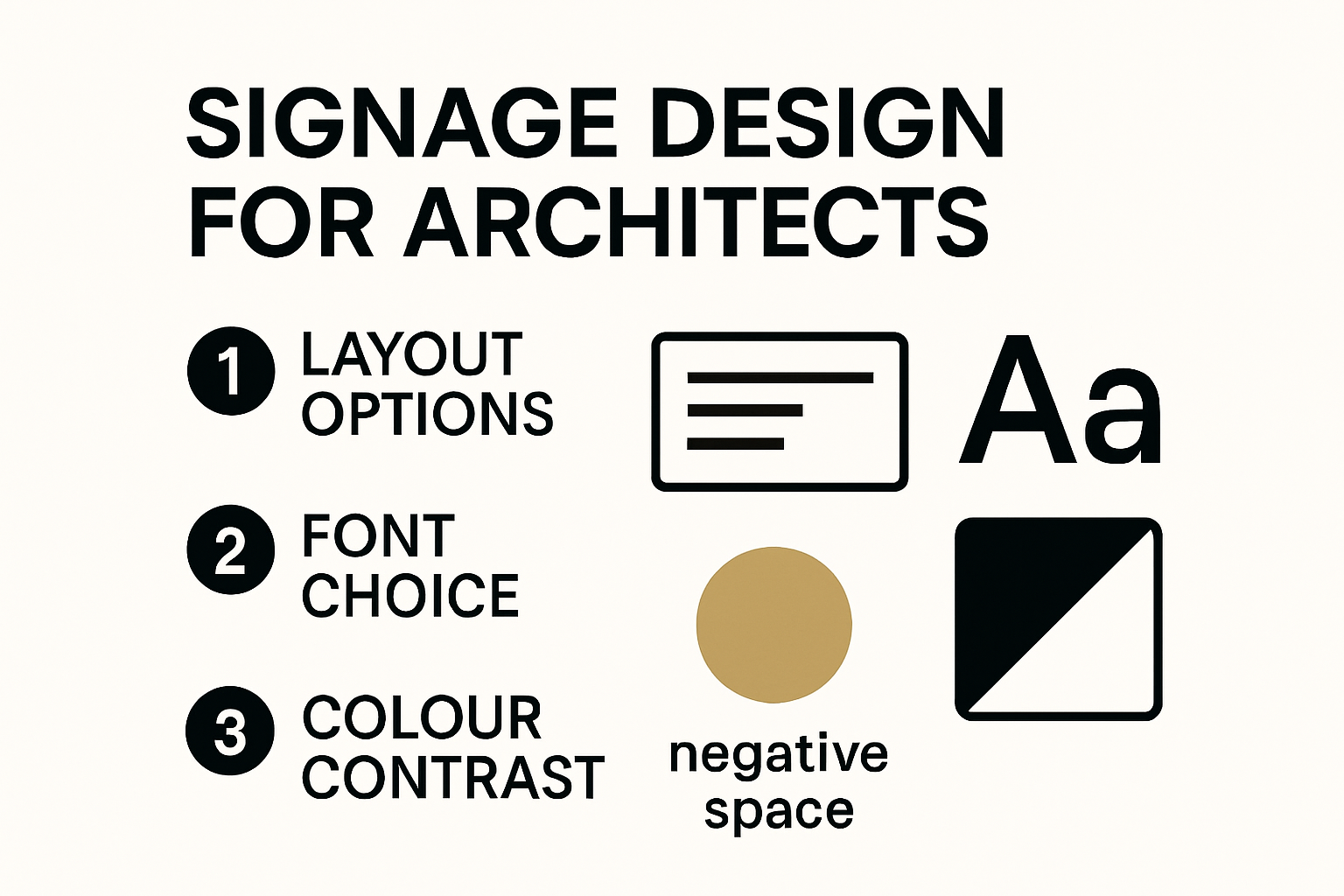
Architects and designers must consider several key factors in establishing visual hierarchy. Font selection plays a crucial role in readability. Sans serif fonts often provide cleaner lines and better visibility from a distance, while font size must be proportional to viewing distance. Colour contrast is equally important. A study by the University of Cambridge found that high contrast combinations can improve legibility by up to 40%, making text more readable across different lighting conditions.
The strategic use of negative space becomes paramount in creating effective signage. By allowing breathing room around text and graphic elements, designers can enhance comprehension and visual impact. This approach prevents visual clutter and ensures that critical information stands out precisely when and where it matters most.
Brand Identity and Coherent Design
Signage represents more than just informational communication. It serves as a critical extension of a business’s brand identity. Successful architectural signage integrates seamlessly with the overall design language of the space, creating a cohesive visual experience that reinforces brand perception.
Consider how color psychology influences viewer perception. Specific color choices can evoke emotional responses and communicate brand personality without a single written word. Blue might suggest professionalism and trust, while red can indicate energy and passion. These subtle design decisions transform signage from mere information delivery into a powerful branding tool.
Materials and texture also contribute significantly to brand storytelling. Modern architects are increasingly selecting signage materials that reflect their project’s aesthetic principles. Brushed metal might communicate technological innovation, while natural wood can suggest warmth and authenticity. Our guide on signage design principles offers deeper insights into these nuanced design strategies.
Functional Adaptability and Context
Effective signage must transcend static design principles by demonstrating remarkable adaptability. The most exceptional architectural signage responds dynamically to its environmental context, considering factors like lighting conditions, viewing angles, and spatial constraints.
Modern signage design incorporates flexible systems that can be easily updated or modified. This approach recognizes that businesses and spaces evolve, and signage must have the capacity to communicate changing information without compromising aesthetic integrity. Modular design elements, interchangeable panels, and digital integration represent cutting-edge solutions in this domain.
Ultimately, successful signage design is a delicate balance between artistic expression and functional communication. By understanding these key elements architects and businesses can create signage that not only informs but also inspires, transforms spaces, and elevates brand experiences.
Here is a table summarising the core elements architects should consider when designing effective signage, highlighting key aspects and their impacts:
| Element | Key Considerations | Impact |
|---|---|---|
| Visual Hierarchy | Typography, font size, colour contrast, negative space | Enhances readability and quick comprehension |
| Brand Identity | Colours, materials, integration with space | Strengthens brand perception and personality |
| Functional Adaptability | Modularity, flexibility, environmental context | Allows for updates and context alignment |
| User Experience | Wayfinding, emotional connection, accessibility | Improves navigation and visitor satisfaction |
| Sustainability | Durable, eco-friendly materials, lifecycle thinking | Promotes longevity and environmental responsibility |
Signage Solutions for Different Business Types
Business signage is not a one-size-fits-all solution. Each industry and business type requires a nuanced approach to visual communication that reflects its unique brand identity, functional needs, and customer interaction style. Understanding these specific requirements allows architects and designers to create targeted signage strategies that enhance visibility, engagement, and brand perception.
Retail and Commercial Spaces
Retail environments demand signage that simultaneously attracts attention, communicates information, and creates an immersive brand experience. Research from ResearchGate highlights the critical role of strategic signage in urban commercial spaces, emphasizing how well-designed signs can significantly influence customer behavior and perception.
For retail businesses, exterior signage must be bold and eye-catching, using high-contrast colors and clear typography to draw potential customers. Interior signage requires a more subtle approach, guiding customers through the space with wayfinding signs, promotional displays, and branded visual elements. Digital signage is becoming increasingly popular, offering dynamic content that can be easily updated to reflect current promotions or seasonal offerings.
Material selection plays a crucial role in retail signage. Illuminated signs, metallic finishes, and innovative textures can create a premium feel, while more budget-conscious options can still communicate brand personality effectively. Learn more about choosing the right commercial sign to understand the nuanced considerations for different business types.
Professional Services and Corporate Environments
Professional services such as law firms, financial institutions, and consulting agencies require a different signage approach that communicates trust, professionalism, and expertise. These environments prioritize understated elegance and clarity over visual drama. Signage in these spaces often uses neutral color palettes, sophisticated typography, and high-quality materials like brushed metal or etched glass.
Wayfinding becomes particularly important in larger corporate spaces. Complex signage systems must guide visitors efficiently while maintaining a cohesive brand aesthetic. This might include directory boards, directional signs, room identification markers, and subtle branded elements that reinforce the organization’s visual identity.
Digital signage in corporate environments can serve multiple functions beyond simple wayfinding. Interactive screens can provide visitor information, showcase company achievements, display real-time data, and create an innovative, tech-forward brand image.
Hospitality and Cultural Spaces
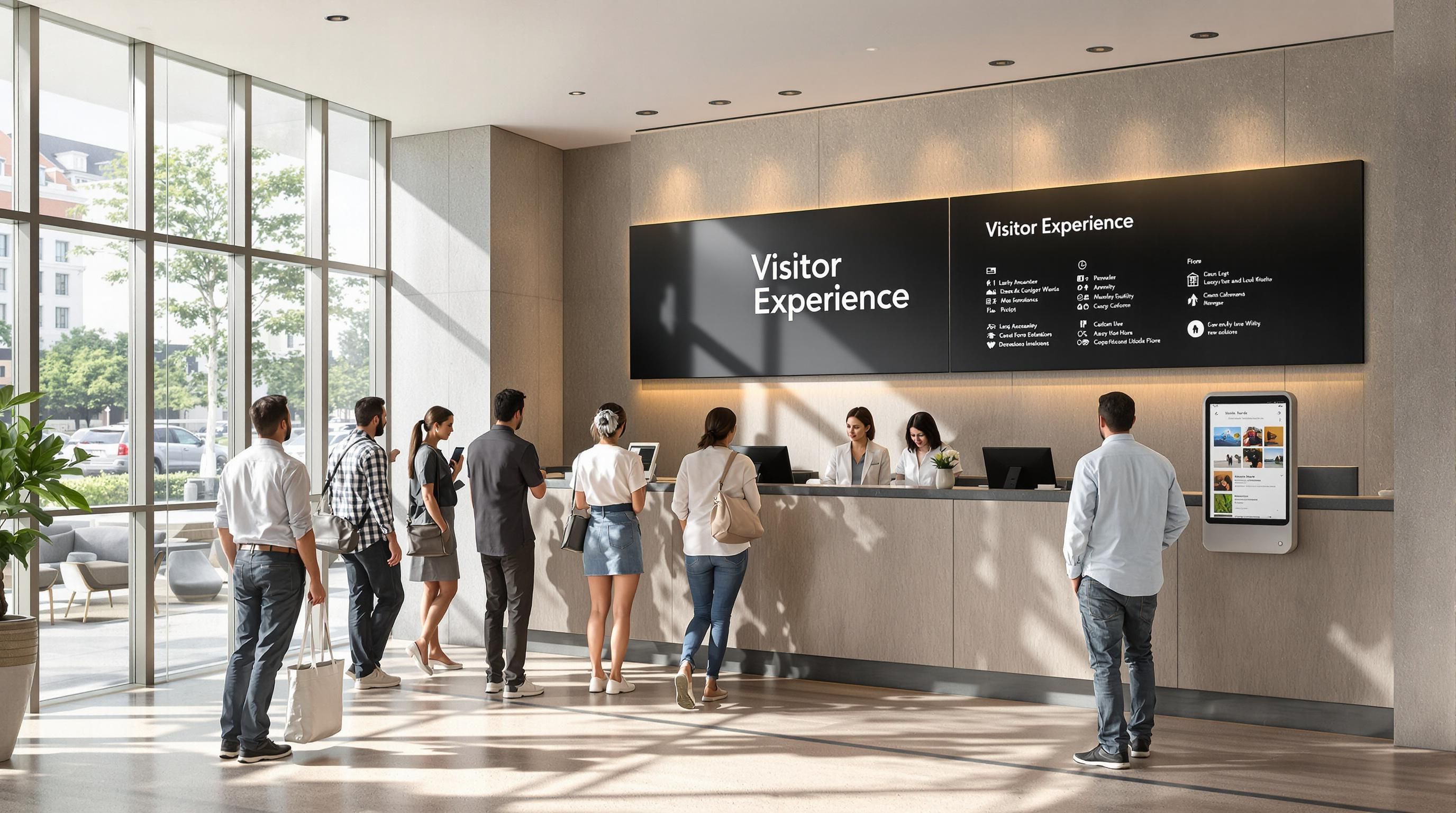
Hospitality venues such as hotels, restaurants, and cultural institutions require signage that balances functional communication with aesthetic experience. These spaces use signage as a storytelling tool, creating emotional connections and enhancing the overall visitor experience.
Restaurants might use a mix of exterior signs that capture the establishment’s personality and interior signs that guide customers through the dining experience. Cultural institutions like museums and galleries often integrate signage as part of the overall exhibition design, using typography, materials, and placement that complement the artistic environment.
Accessibility is a crucial consideration in hospitality signage. Signs must be clear, readable, and compliant with disability access guidelines, ensuring that all visitors can navigate the space comfortably. This includes considerations for font size, color contrast, braille integration, and multilingual information.
Successful signage is more than a practical necessity it is a sophisticated communication tool that bridges design, brand identity, and user experience. By understanding the unique requirements of different business types, architects and designers can create signage solutions that are not just informative, but transformative.
Below is a table comparing signage priorities across different business types. This helps clarify the distinct goals and features required in each sector:
| Business Type | Primary Signage Goals | Typical Features |
|---|---|---|
| Retail & Commercial | Attract attention, guide, promote offers | Bold exterior, wayfinding, digital displays, strong branding |
| Professional/Corporate | Communicate trust, guide visitors, reinforce brand | Neutral colours, directory boards, elegant materials |
| Hospitality/Cultural | Enhance experience, storytelling, accessibility | Personality-focussed, accessible fonts, integrated with space |
How Architects and Designers Maximise Visual Impact
Architects and designers employ sophisticated strategies to transform signage from mere functional communication into powerful visual experiences that engage, inform, and inspire. Maximising visual impact requires a multidimensional approach that goes beyond traditional design principles, integrating technical expertise, creative vision, and deep understanding of human perception.
Strategic Spatial Integration
Research from the National Park Service emphasizes the critical importance of harmonising signage with architectural environments. Successful visual impact emerges when signs are not standalone elements but integral components of the overall spatial design. This requires meticulous consideration of scale, placement, and contextual relationship.
Architects must analyse viewing angles, natural light conditions, and architectural lines to create signage that feels organically connected to its surroundings. Materials become crucial in this integration. Translucent glass might echo building facades, metallic finishes could reflect structural elements, and textured surfaces can create visual continuity that blends signage seamlessly into the architectural narrative.
Digital technologies offer unprecedented opportunities for dynamic spatial integration. Programmable LED systems, projection mapping, and interactive displays allow designers to create signage that can adapt to changing environmental conditions, transforming static communication into fluid, responsive visual experiences. Our guide on interior branding graphics explores these innovative approaches in greater depth.
Psychological Design Principles
Academic research on signage design reveals how visual elements profoundly influence user behavior and emotional responses. Color psychology plays a pivotal role in this dynamic. Specific color combinations can evoke emotional states, guide attention, and communicate complex brand narratives without a single written word.
Typography becomes another critical psychological tool. Font selection goes beyond aesthetic preferences, communicating subtle messages about professionalism, creativity, and brand personality. Sans serif fonts might suggest modern efficiency, while serif typefaces can convey traditional sophistication. Designers carefully balance legibility with emotional resonance, ensuring that every typographic choice contributes to the overall communicative strategy.
Spatial cognitive psychology informs wayfinding design, recognizing that effective signage must intuitively guide human movement. This involves understanding how people perceive and navigate spaces, using visual cues that feel natural and intuitive rather than disruptive or confusing.
Technological Innovation and Adaptability
Contemporary signage design transcends static communication, embracing technological innovations that create adaptive, responsive visual experiences. Emerging technologies like augmented reality, touch-sensitive surfaces, and AI-driven content management systems allow signs to become dynamic communication platforms.
Sustainability considerations are increasingly integral to visual design strategies. Designers now incorporate energy-efficient materials, recyclable components, and low-impact manufacturing processes. Solar-powered illumination, biodegradable substrates, and modular design systems represent cutting-edge approaches that balance visual impact with environmental responsibility.
The most sophisticated signage solutions anticipate future transformations. Modular design systems allow for easy updates and reconfigurations, ensuring that visual communication remains flexible and relevant. This approach recognizes that architectural spaces are living environments, constantly evolving and requiring adaptable visual communication strategies.
Ultimately, maximising visual impact is an intricate dance between technical precision, creative imagination, and deep understanding of human perception. Architects and designers who master this delicate balance create signage that transcends mere information delivery, becoming powerful spatial storytellers that inspire, guide, and transform human experiences.
Choosing Signage Materials and Sustainable Options
Selecting appropriate materials for signage represents a complex decision that balances aesthetic requirements, durability, environmental impact, and functional performance. Contemporary architects and designers must navigate an increasingly sophisticated landscape of material options, considering not just visual appeal but long-term sustainability and ecological responsibility.
Performance and Durability Considerations
According to research from ArchDaily, material selection goes far beyond superficial appearance. Each material brings unique characteristics that influence longevity, maintenance requirements, and overall performance in different environmental conditions.
Metals like aluminium and stainless steel offer exceptional durability and resistance to weathering. Aluminium, being lightweight and corrosion-resistant, provides architects with a versatile solution that maintains aesthetic integrity over extended periods. Stainless steel offers superior strength and a sleek, contemporary appearance that complements modern architectural designs.
Acrylic and polycarbonate materials represent innovative alternatives for designers seeking lightweight, impact-resistant options. These advanced polymers can be fabricated with remarkable precision, allowing for intricate designs and excellent transparency. Our comprehensive guide on shop sign types provides deeper insights into material selection strategies.
Below is a table outlining the advantages of common signage materials, summarising their primary properties and best-use scenarios:
| Material | Key Properties | Best Use Cases |
|---|---|---|
| Aluminium | Lightweight, corrosion-resistant, durable | Outdoor signage, versatile applications |
| Stainless Steel | Strong, sleek, modern appearance | High-end, modern architectural spaces |
| Acrylic | Lightweight, impact-resistant, transparent | Intricate designs, indoor/outdoor use |
| Polycarbonate | Tough, highly durable, weather-resistant | High-impact environments, outdoor use |
| Wood | Warm, natural, sustainable (if certified) | Authentic, eco-friendly, indoor use |
Sustainable Material Strategies
The U.S. Environmental Protection Agency emphasizes a comprehensive approach to material sustainability that extends beyond simple recycling. Architects must consider the entire lifecycle of signage materials, from production to eventual disposal or repurposing.
Recycled aluminium represents a prime example of sustainable material innovation. Producing recycled aluminium requires significantly less energy compared to primary metal production, reducing carbon emissions while maintaining high-quality performance characteristics. Responsibly sourced wood from certified sustainable forests offers another environmentally conscious alternative, particularly for businesses seeking a more natural aesthetic.
Advanced bio-based materials are emerging as groundbreaking solutions in sustainable signage design. Polymers derived from renewable resources like corn starch or agricultural waste provide biodegradable options that minimize environmental impact without compromising structural integrity.
Technological and Environmental Integration
Research from the National Renewable Energy Laboratory highlights the importance of holistic material selection that considers broader environmental contexts. Modern signage materials are increasingly designed to integrate seamlessly with green building strategies, incorporating features like low volatile organic compound (VOC) coatings and energy-efficient manufacturing processes.
Digital printing technologies now enable more sustainable production methods, allowing precise material usage and reducing waste. Techniques like UV-curable printing minimize chemical consumption while providing exceptional durability and color vibrancy. Modular design approaches further enhance sustainability by allowing individual components to be replaced rather than entire signage systems.
Emergent technologies are exploring self-cleaning and adaptive materials that respond to environmental conditions. Photocatalytic coatings, for instance, can break down pollutants and maintain surface cleanliness, extending the functional lifespan of signage while contributing to urban air quality.
Choosing signage materials is no longer just an aesthetic decision but a strategic environmental commitment. Architects and designers who embrace this holistic perspective can create signage solutions that are not only visually compelling but also environmentally responsible, setting new standards for sustainable design in urban landscapes.
Frequently Asked Questions
What are the key elements of effective signage design?
Effective signage design includes visual hierarchy for readability, brand identity integration, functional adaptability to context, a focus on user experience, and sustainability in materials and practices.
How does brand identity influence signage design?
Brand identity influences signage design by dictating colour choices, materials, and overall visual coherence, which helps communicate the business’s personality and reinforces brand perception.
What materials are recommended for sustainable signage?
Recommended materials for sustainable signage include recycled aluminium, responsibly sourced wood, and bio-based polymers. These options minimise environmental impact and promote durability.
How can signage improve user experience in different business types?
Signage improves user experience by guiding navigation, evoking emotional connections through design, and ensuring accessibility, which is particularly crucial in retail, corporate, and hospitality environments.
Transform Your Space with Next-Level Architectural Signage
Struggling to make your business stand out in London’s competitive landscape? Our latest guide reveals that impactful signage is more than just eye-catching visuals. Many businesses face the challenge of blending brand identity, clear visual hierarchy, and sustainable solutions in their signage. You need more than an attractive shop sign—you need a silent brand ambassador that guides, inspires, and endures. At Promo Signs, our team understands these needs and offers tailored solutions from illuminated shop signs to large format prints that enhance your space and reinforce your brand’s personality.

Stay ahead of the curve in 2025. Discover how expertly crafted signage can boost user experience and create a powerful first impression. Explore our full range of services and see how we help businesses like yours with custom design and installation. Visit Promo Signs or start transforming your business environment today by learning more about interior branding graphics for your space. Now is the perfect time to create signage that works as hard as you do.
Recommended
- Signage for Office Interiors: 2025 Guide for London Businesses – PromoSigns.co.uk
- How to Design Building Signage: A 2025 Guide for London Businesses – PromoSigns.co.uk
- Signage Design Principles for London Businesses in 2025 – PromoSigns.co.uk
- Office Signage Ideas for London Businesses and Events: 2025 Trends – PromoSigns.co.uk
