
Signage in shopping centres is becoming much more than a display for directions or a logo above the door. Shoppers now expect digital screens and interactive designs, yet over 70 percent of customers base their first impression of a business on its signs. You might think the latest tech matters most, but the real difference lies in how these signs connect with the local culture of London, turning simple spaces into unforgettable brand experiences.
Table of Contents
Table of Contents
- Why Quality Signage Matters In Shopping Centres
- Types Of Signage For Shopping Centres In 2025
- Customisation Ideas For London Businesses
- Installation, Compliance And Maintenance Tips
Quick Summary
| Takeaway | Explanation |
|---|---|
| Quality signage boosts customer experience | Effective signage enhances first impressions and overall brand perception in shopping centres. |
| Invest in sustainable signage solutions | Eco-friendly materials and technologies improve brand reputation and align with consumer preferences for sustainability. |
| Embrace digital and interactive signage | Modern signage can include smart technologies that engage customers and create immersive shopping experiences. |
| Customise signage to reflect local culture | Tailoring signage to local architectural and cultural contexts helps businesses connect with their community and stand out. |
| Prioritise professional installation and compliance | Properly installed signage ensures durability and adherence to local regulations, enhancing overall brand credibility. |
Why Quality Signage Matters in Shopping Centres
In the competitive retail environment of modern shopping centres, signage represents far more than simple directional information. Quality signage serves as a critical communication tool that can significantly impact customer experience, brand perception, and ultimately, business performance.
Visual Communication and First Impressions
Visual communication through professional signage creates powerful first impressions for businesses within shopping centres. Research on retail design demonstrates that colour choices and material selections in signage design profoundly influence visitor perceptions and engagement. High-quality signs communicate professionalism, attention to detail, and brand sophistication before customers even enter a store.
The strategic placement and design of signage can transform a simple wayfinding element into a compelling visual narrative. Well-crafted signs do not merely direct visitors but tell a story about the brand’s identity, values, and commitment to customer experience. They serve as silent ambassadors that speak volumes about a business’s approach to customer interaction.
Performance and Commercial Impact
Beyond aesthetic considerations, quality signage directly correlates with commercial performance. An advanced optimization study revealed that improved product visibility through strategic signage placement leads to measurable increases in sales potential. This underscores the practical importance of investing in sophisticated, well-designed signage solutions.
For shopping centre businesses, effective signage represents a nuanced marketing tool. It guides customer traffic, highlights promotions, creates visual interest, and supports overall spatial navigation. The right signage can transform complex shopping environments into intuitive, engaging spaces that encourage exploration and purchase.
Technical and Strategic Considerations
Quality signage involves sophisticated technical and strategic considerations. Material durability, visibility from multiple angles, compliance with local regulations, and adaptability to changing brand messaging are crucial factors. Modern signage solutions integrate advanced technologies like digital displays, interactive elements, and adaptive lighting to create dynamic communication platforms.
Businesses must view signage as an investment rather than an expense. A well-designed sign not only attracts attention but also communicates brand positioning, builds credibility, and creates memorable visual experiences. For London businesses operating in competitive shopping centre environments, our expert guide on creating impactful shop signs offers comprehensive insights into developing standout signage strategies.
Ultimately, quality signage represents a sophisticated blend of design, technology, and strategic communication. It transforms physical spaces into engaging narratives that connect businesses with their target audiences, making it an indispensable element of modern retail success.
To help readers quickly compare the core considerations for quality signage, refer to the following summary table:
| Consideration | Description |
|---|---|
| Material Durability | Ensures long-term structural integrity and appearance |
| Visibility | Maintains clear viewing from multiple angles and distances |
| Compliance | Meets local regulations, planning, and accessibility requirements |
| Technological Integration | Incorporates modern features like digital displays and adaptive lighting |
| Brand Messaging Adaptability | Allows for updating and customization as brand or promotions change |
Types of Signage for Shopping Centres in 2025
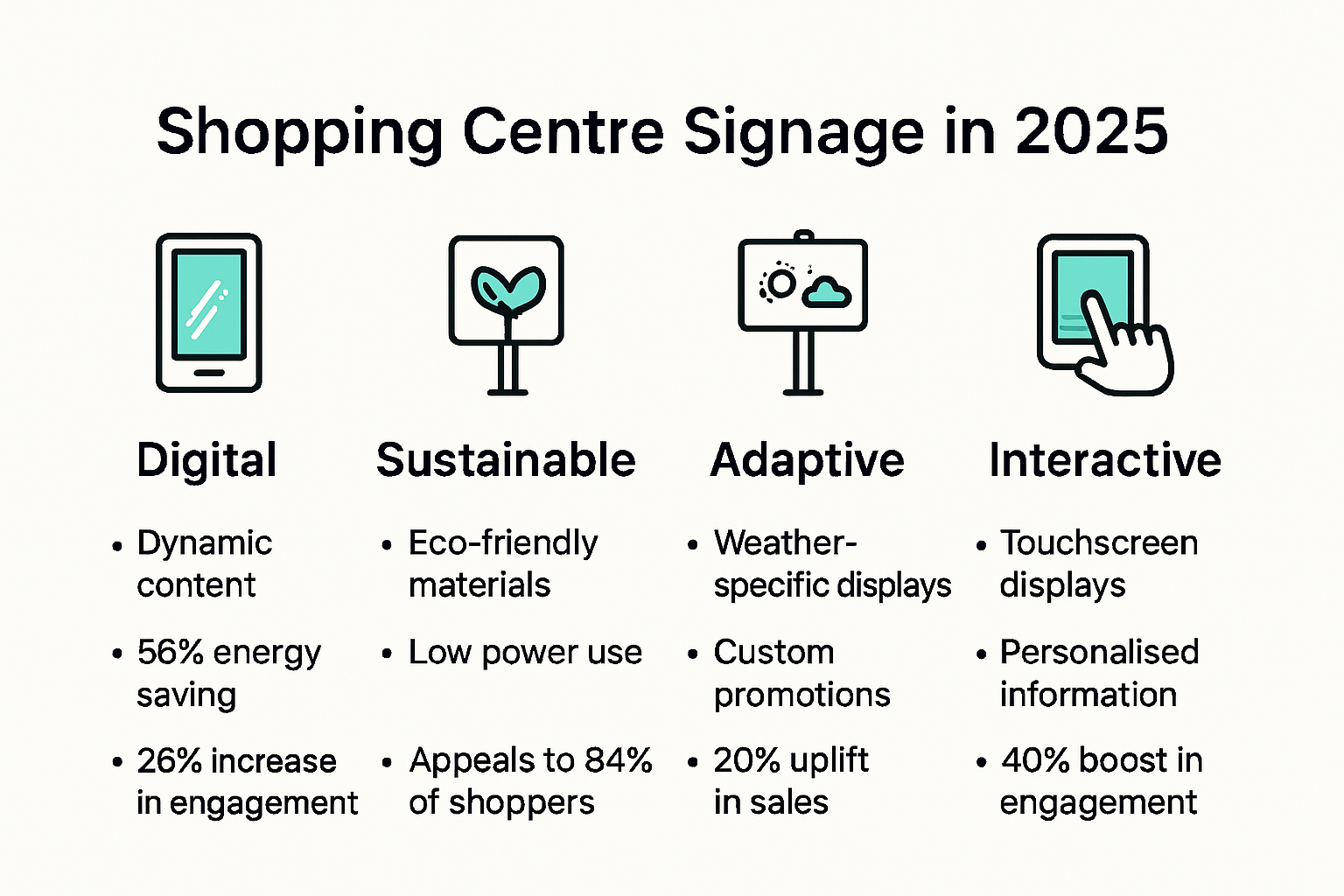
The signage landscape for shopping centres in 2025 is experiencing a remarkable transformation, driven by technological innovation, sustainability considerations, and changing consumer expectations. Modern signage solutions go far beyond traditional static displays, offering dynamic, interactive, and intelligent communication platforms.
Sustainable and Smart Digital Signage
Research in retail design reveals a significant shift towards eco-friendly signage solutions. Businesses are increasingly adopting sustainable materials and energy-efficient technologies. Digital displays now incorporate recycled components, LED lighting with minimal energy consumption, and biodegradable materials that reduce environmental impact.
Augmented Reality (AR) displays are revolutionizing retail communication. Interactive technologies now enable virtual try-ons, real-time product information, and immersive promotional experiences. These innovative signage solutions transform passive viewing into engaging, personalized interactions that capture customer attention and enhance shopping experiences.
Minimalist and Adaptive Design Approaches
Contemporary signage trends emphasize clean, minimalist aesthetics that prioritize clarity and visual elegance. Design experts highlight the growing preference for simple layouts, understated colour palettes, and typography that communicates information efficiently. This approach reflects a broader design philosophy that values simplicity and user-centric communication.
Adaptive signage systems now integrate intelligent technologies that can modify content based on real-time factors such as foot traffic, time of day, and seasonal promotions. These dynamic displays offer unprecedented flexibility, allowing businesses to tailor their messaging instantly and respond to changing market conditions.
Technological Integration and Customization
Advanced signage solutions in 2025 blend cutting-edge technology with bespoke design principles. Businesses can now create highly customized signage that reflects their unique brand identity while leveraging sophisticated digital platforms. Our comprehensive guide to shop signage provides deeper insights into selecting the most appropriate signage solutions for specific business needs.
Emergent technologies like AI-powered content management, touch-interactive displays, and seamless integration with mobile platforms are redefining what signage can achieve. These innovations transform signs from mere information carriers to intelligent communication tools that can gather customer data, provide personalized recommendations, and create memorable brand experiences.
The future of shopping centre signage is not just about displaying information but creating immersive, responsive, and sustainable communication environments that engage customers on multiple levels.
The following table compares the key signage types and their standout features for 2025 shopping centres:
| Signage Type | Key Features | Impact |
|---|---|---|
| Sustainable Digital Signage | Eco-materials, energy-efficient LEDs, recyclability | Reduces footprint, boosts reputation |
| AR & Interactive Displays | Virtual try-ons, real-time info, immersive content | Increases engagement & dwell time |
| Minimalist Static Signage | Clean design, clear typography, simple colours | Enhances legibility, modern appearance |
| Adaptive Digital Systems | Dynamic content, real-time updates, smart sensors | Tailors messaging, increases flexibility |
| Custom Bespoke Solutions | Unique branding, local context design, materials | Distinct identity, community connection |
Customisation Ideas for London Businesses
Customisation represents the cornerstone of impactful signage design for London businesses, transforming generic communication into distinctive brand experiences. The ability to create bespoke signage solutions that reflect a company’s unique identity and resonate with local market dynamics has become increasingly critical in competitive urban environments.
Architectural and Cultural Context Integration
Guidance from heritage design experts emphasizes the importance of tailoring signage design to complement local architectural characteristics and community identity. For London businesses, this means developing signage solutions that not only communicate brand messaging but also harmonize with the surrounding urban landscape.
Successful customisation involves carefully considering elements such as historical architectural styles, neighbourhood aesthetics, and cultural nuances. Businesses can incorporate design elements that reference local architectural heritage, use materials that reflect the surrounding environment, and create signage that feels intrinsically connected to its specific London location.
Technological and Material Innovation
Modern customisation strategies extend beyond visual design, incorporating advanced materials and intelligent technologies. Digital signage platforms now offer unprecedented flexibility, allowing businesses to create dynamic, adaptable communication tools that can be instantly modified to reflect changing promotional strategies, seasonal themes, or specific target audience preferences.
Innovative material choices play a crucial role in creating distinctive signage. Businesses can explore options like sustainable recycled materials, locally sourced components, and cutting-edge manufacturing techniques that provide both aesthetic uniqueness and environmental responsibility. Our comprehensive guide to bespoke signage solutions offers deeper insights into selecting the most appropriate customisation strategies.
Brand Storytelling Through Visual Design
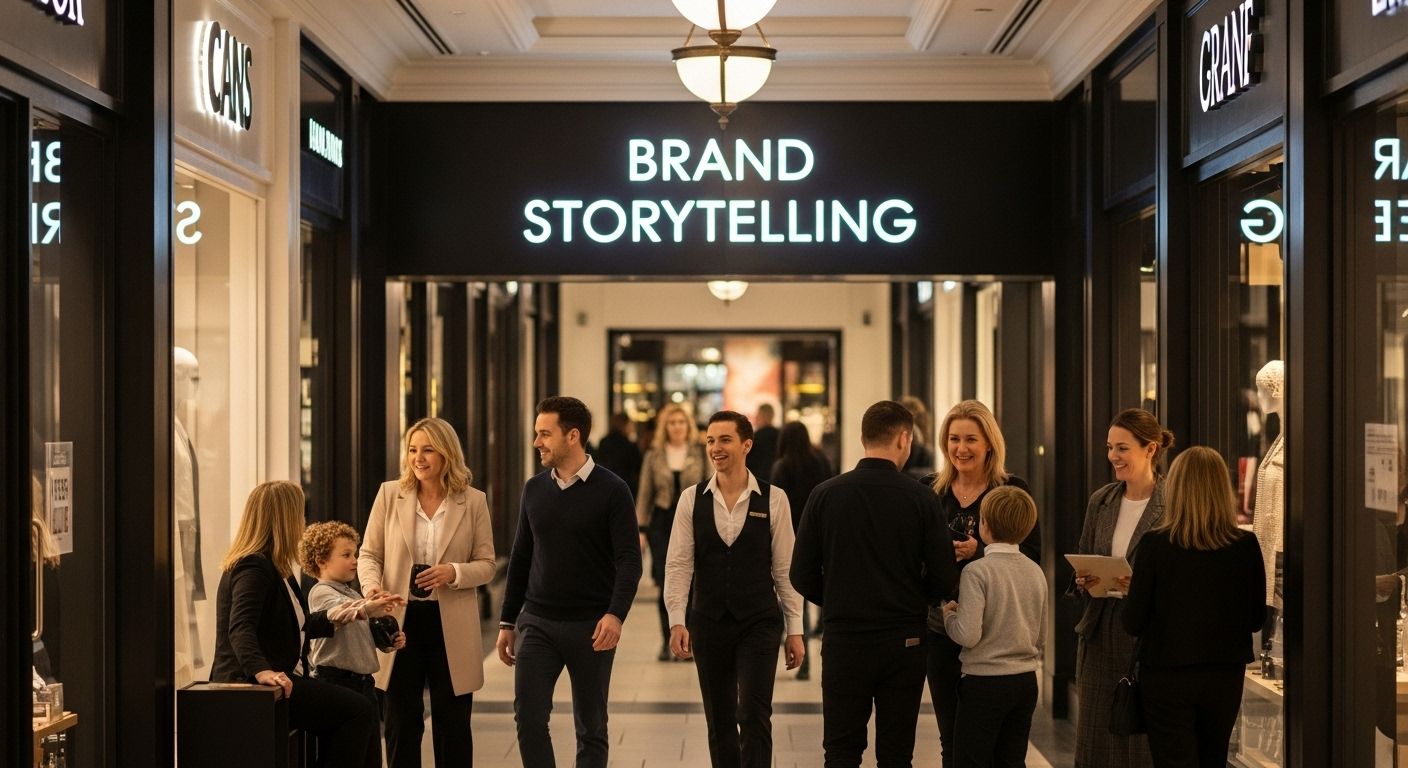
Custom signage represents a powerful medium for brand storytelling, allowing businesses to communicate their unique narrative and values through visual design. This approach goes beyond mere information delivery, transforming signage into an immersive brand experience that engages customers on an emotional level.
Effective customisation involves developing a holistic design language that encompasses typography, colour palette, material selection, and interactive elements. London businesses can create signage that reflects their brand’s personality, whether through minimalist elegance, bold contemporary design, or nuanced references to cultural heritage.
The most successful customisation strategies understand that signage is not just about visibility but about creating meaningful connections. By treating each sign as a carefully crafted communication platform, businesses can transform functional necessities into powerful brand ambassadors that capture attention, communicate values, and distinguish themselves in a crowded marketplace.
Ultimately, customisation in signage is an art form that balances technical innovation, design aesthetics, and strategic communication. For London businesses, it represents an opportunity to create truly memorable visual identities that resonate with customers and reflect the dynamic spirit of the city.
Installation, Compliance and Maintenance Tips
Effective signage management extends far beyond initial design, encompassing critical considerations of professional installation, regulatory compliance, and ongoing maintenance. For London businesses operating in shopping centres, understanding these complex dynamics is essential to maintaining high-quality, legally compliant, and visually impressive signage solutions.
Professional Installation Strategies
Professional installation represents the critical bridge between design concept and functional reality. Precise mounting techniques, structural considerations, and safety protocols are paramount when implementing signage in busy shopping centre environments. Businesses must work with experienced technicians who understand the nuanced requirements of different architectural contexts and material specifications.
Key installation considerations include assessing load-bearing capacities, understanding structural limitations, ensuring electrical safety for illuminated signs, and minimizing potential disruption to existing centre infrastructure. Proper installation not only guarantees visual appeal but also ensures long-term durability and performance of signage systems.
Regulatory Compliance and Legal Requirements
Navigating the complex landscape of signage regulations requires meticulous attention to detail. Shopping centres and local authorities impose specific guidelines regarding sign dimensions, placement, illumination levels, and visual content. Comprehensive compliance guidelines from UK governmental sources outline the essential legal frameworks businesses must adhere to when installing commercial signage.
Compliance involves understanding multiple regulatory dimensions, including:
- Planning permission requirements
- Health and safety standards
- Accessibility regulations
- Fire safety considerations
- Electrical installation codes
Businesses must also consider potential heritage conservation restrictions, especially in historically significant London locations where signage must harmonize with architectural conservation guidelines.
Ongoing Maintenance and Performance Optimization
Signage maintenance is a strategic investment in brand presentation and operational reliability. Regular inspection, cleaning, and proactive repair protocols help businesses maintain the pristine appearance and functional integrity of their signage solutions. Our comprehensive maintenance guide provides detailed insights into best practices for long-term signage management.
Modern maintenance strategies incorporate technological innovations such as:
- Predictive monitoring systems
- Remote diagnostic capabilities
- Modular design for easy component replacement
- Sustainable material selections that resist environmental degradation
Effective maintenance goes beyond cosmetic upkeep, involving systematic performance assessments that evaluate visibility, structural integrity, and technological functionality. Businesses should develop comprehensive maintenance schedules that address potential wear and tear, technological obsolescence, and evolving branding requirements.
By adopting a holistic approach to signage management that integrates professional installation, rigorous compliance, and strategic maintenance, London businesses can create powerful visual communication platforms that consistently deliver exceptional performance and reflect their commitment to quality and professionalism.
Frequently Asked Questions
What types of signage are most effective for shopping centres in 2025?
In 2025, the most effective signage types include sustainable digital signage, augmented reality displays, minimalist static signage, and adaptive digital systems that can be updated in real time. These options enhance customer engagement and communicate brand messages more effectively.
How can businesses ensure their signage reflects the local culture in London?
To effectively integrate local culture into signage, businesses should consider the architectural context of their surroundings, use materials that resonate with the community, and incorporate design elements that reflect the area’s history and aesthetics. This creates a stronger connection with the local customer base.
What maintenance strategies should businesses implement for their signage?
Effective maintenance strategies include regular inspections, cleaning, and prompt repairs. Businesses may also adopt predictive monitoring systems and use sustainable materials that resist wear and tear, ensuring longevity and consistent visual appeal for their signage.
Why is professional installation important for shopping centre signage?
Professional installation is crucial as it guarantees that signage is mounted safely and securely, adheres to regulatory compliance, and optimally functions in high-traffic environments. It helps maintain the visual integrity and durability of signage solutions in bustling shopping centres.
Transform Your Shopping Centre Signage with Proven Success
If you are feeling the pressure to stand out in the fast-changing world of shopping centres, you are not alone. As the article highlights, customers expect digital impact, sustainable approaches, and signs that genuinely reflect the spirit of London. Many businesses struggle to unite clear communication, legal compliance, and eye-catching design in one cohesive solution. But this is where you can turn a challenge into your competitive advantage.

Let us help you make your signage vision a reality. At Promo Signs, our team offers expert advice, custom designs, and seamless installation to ensure your signs look outstanding and stay compliant. Take the next step with confidence. Learn how our range of custom signage services can help you achieve the welcoming and inspiring brand experience your customers are seeking. Contact us today to create signage that attracts shoppers and sets your business apart.
Recommended
- Office Signage Ideas for London Businesses and Events: 2025 Trends – PromoSigns.co.uk
- Shop Sign Types Explained for UK Businesses in 2025 – PromoSigns.co.uk
- Why Signage Matters in 2025: Essential for London Businesses – PromoSigns.co.uk
- Signage for Office Interiors: 2025 Guide for London Businesses – PromoSigns.co.uk
